Start Here
When you step into a Korean convenience store, start by matching your immediate need—quick energy, a light meal, or a travel‑essential—to three categories. For a fast bite, pick a pre‑packaged kimbap or instant ramen; they heat quickly and are inexpensive. If you want a snack that won’t melt in your bag, choose a sealed rice cake or dried seaweed.
Avoid items that look cheap but are sold in single‑serve portions with high per‑unit prices, like premium desserts. Always check whether the cashier displays a promotion sticker, and be ready to pay cash or ask staff to process a foreign card manually if the self‑service kiosk declines it.
Do This in Order
- Identify the primary need (meal, snack, beverage) before entering the store.
- Scan product labels for promotion stickers that indicate discounts.
- Carry a backup payment option for items that reject foreign cards.
- Compare unit prices on shelf tags to avoid overpriced single servings.
- If a kiosk declines your card, ask the staffed counter for manual processing.
Essential grab‑and‑go foods that survive a long flight
Travelers often need something that can be eaten on a train or plane without much preparation. Look for pre‑packaged kimbap rolls, which combine rice, vegetables, and protein in a compact, bite‑size format. Instant ramen packs are another staple; they come with a disposable bowl and seasoning, requiring only hot water that most stations provide.
These items are priced modestly and are widely available across all chains. What can go wrong is assuming the microwave is always on; many stores lock the heating station, so bring a thermos of hot water from a nearby fountain if you need to rehydrate ramen. Deciding between kimbap and ramen depends on whether you prefer a solid bite or a warm broth, and both are safe choices for first‑time visitors.
Buying Notes
- First‑time visitor friction: I tried to grab a ready‑meal while juggling my suitcase and the store’s narrow aisle, only to discover the heating station locked behind a glass door, forcing me to wait for a staff member.
- Local behavior cue: Cashiers often place a small sticker on items that are part of a ‘2‑for‑1’ promotion; spotting it can shave a few dollars off your snack budget.
- Fallback move: If the card‑only kiosk rejects your foreign card, walk to the staffed counter and ask if they can process the purchase manually or use a nearby ATM to withdraw Korean won.
Items that look cheap but often cost more than you expect
Convenience stores sell a range of novelty desserts, single‑serve cakes, and imported snacks that appear inexpensive at first glance. However, these products are usually priced per piece, making the per‑gram cost higher than bulk alternatives. For example, a single slice of a premium cake can cost several times more than a pack of locally produced rice cakes.
The risk is spending a disproportionate part of your travel budget on fleeting treats. To decide wisely, compare the unit price on the shelf label and consider whether a larger pack of the same snack would be more economical. If you’re on a tight budget, stick to staple items like instant noodles, canned tuna, or locally made biscuits.
Comparison Table
| Item category | Why buy | Typical price range | Potential drawback |
|---|---|---|---|
| Pre‑packaged kimbap | Balanced carbs and protein, ready to eat | Low‑mid | May contain raw egg; check label if allergic |
| Instant ramen (with bowl) | Warm broth, quick preparation | Low | Requires hot water; kiosk may be locked |
| Roasted seaweed (gim) | Low‑cost snack, authentic Korean flavor | Very low | Very salty for some palates |
| Premium single‑serve cake | Treat for special occasions | Mid‑high | High per‑unit cost; not budget‑friendly |
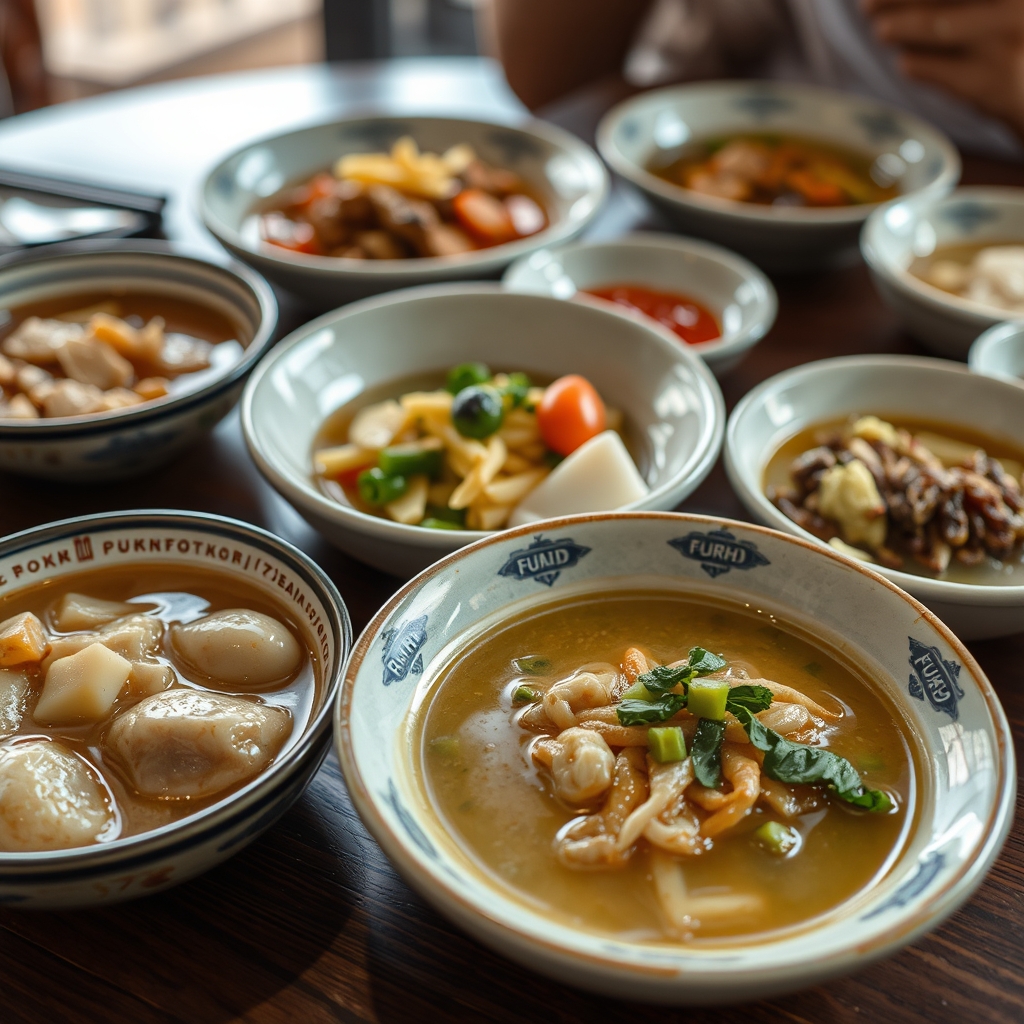
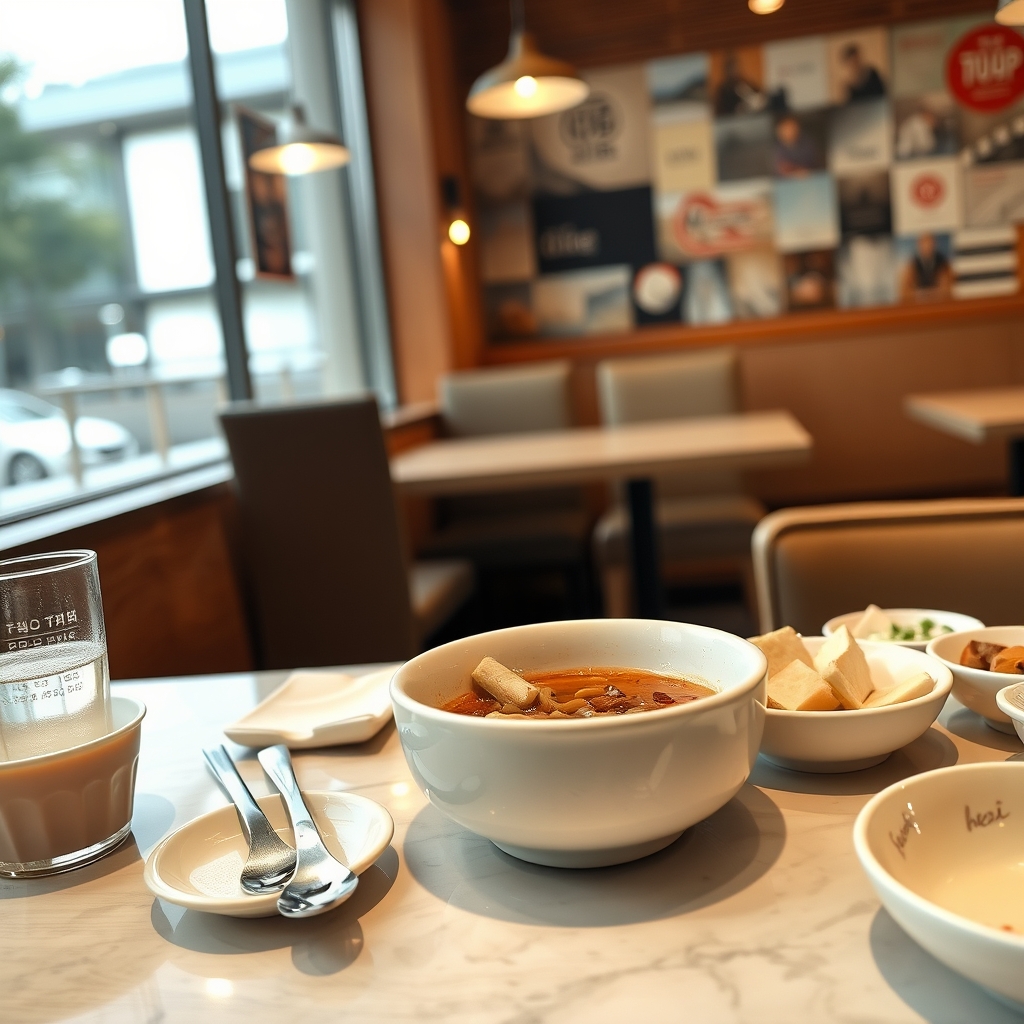
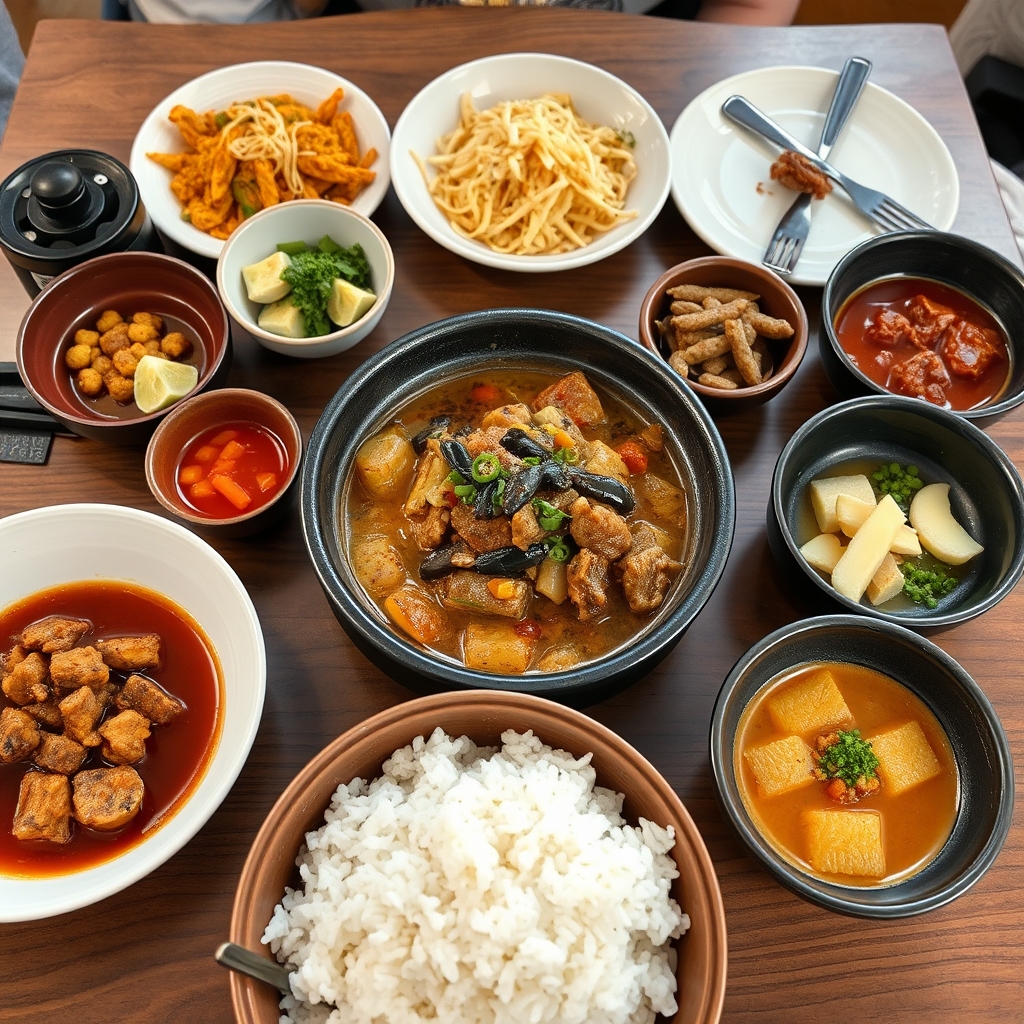
Photos Before You Go
Local Tips Worth Knowing
These are practical patterns that often come up in Korean local guides and traveler discussions, rewritten for visitors instead of copied from any one source.
- Many restaurants use table bells, QR ordering, or self-service water and utensils, so look around before assuming staff will come automatically.
- Pointing at menu photos is normal in casual restaurants and markets; short phrases like 'less spicy' and 'to go' solve many ordering problems.
- Small market stalls may be inconsistent with foreign cards, so carry some Korean won when trying street food.
- Side dishes are often refillable, but the custom depends on the restaurant; watch what local customers do before asking.
- Use the store microwave or hot-water station only after checking the package instructions; staff usually expect customers to heat instant meals themselves.
How to handle payment hiccups and when to ask staff for help
Most Korean convenience stores accept credit cards, but foreign cards can be declined by self‑service kiosks, especially if they lack a chip‑and‑pin function. The safest approach is to have a backup payment option on hand for quick purchases. If your card is rejected, calmly approach the staffed counter and ask, "Can you process this with my card manually?" Staff are accustomed to foreign travelers and will often switch to a manual terminal.
Another tip is to look for the small promotion sticker on the product; it signals that the cashier can apply a discount without needing a separate coupon. Knowing when to ask for manual processing prevents you from abandoning a needed item.
Smart swaps: local alternatives that stretch your budget
If you’re looking to save money while still enjoying Korean flavors, consider swapping imported snacks for locally produced options. For instance, replace a foreign chocolate bar with a pack of roasted seaweed (gim), which offers a salty umami taste for a fraction of the price. Similarly, a bottle of Korean barley tea (boricha) can be a refreshing, low‑cost beverage compared to imported sodas.
These swaps work well because they are shelf‑stable, widely stocked, and often come with a promotion sticker indicating a bulk discount. The only potential downside is that the flavor profile may differ from what you’re used to, but trying local staples can enhance your travel experience. Decide based on your taste preferences and how much space you have in your luggage.
Reader Questions
What should I buy if I only have 10 minutes between train connections?
Grab a pre‑packaged kimbap or an instant ramen with a disposable bowl. Both are ready to eat and fit within a short time window.
Can I rely on the self‑service kiosk for all purchases?
No. Foreign cards are often declined, so keep some cash handy and be ready to ask a staff member to process the payment manually.
Are the promotion stickers on products always valid?
Generally yes; they indicate a current discount. Verify the price on the shelf label to ensure the sticker matches the advertised reduction.
Related Guides
Questions about this guide?
If something is unclear or you want a Korea-specific answer, leave a question. Public answers can be added after review.