Best Short Answer
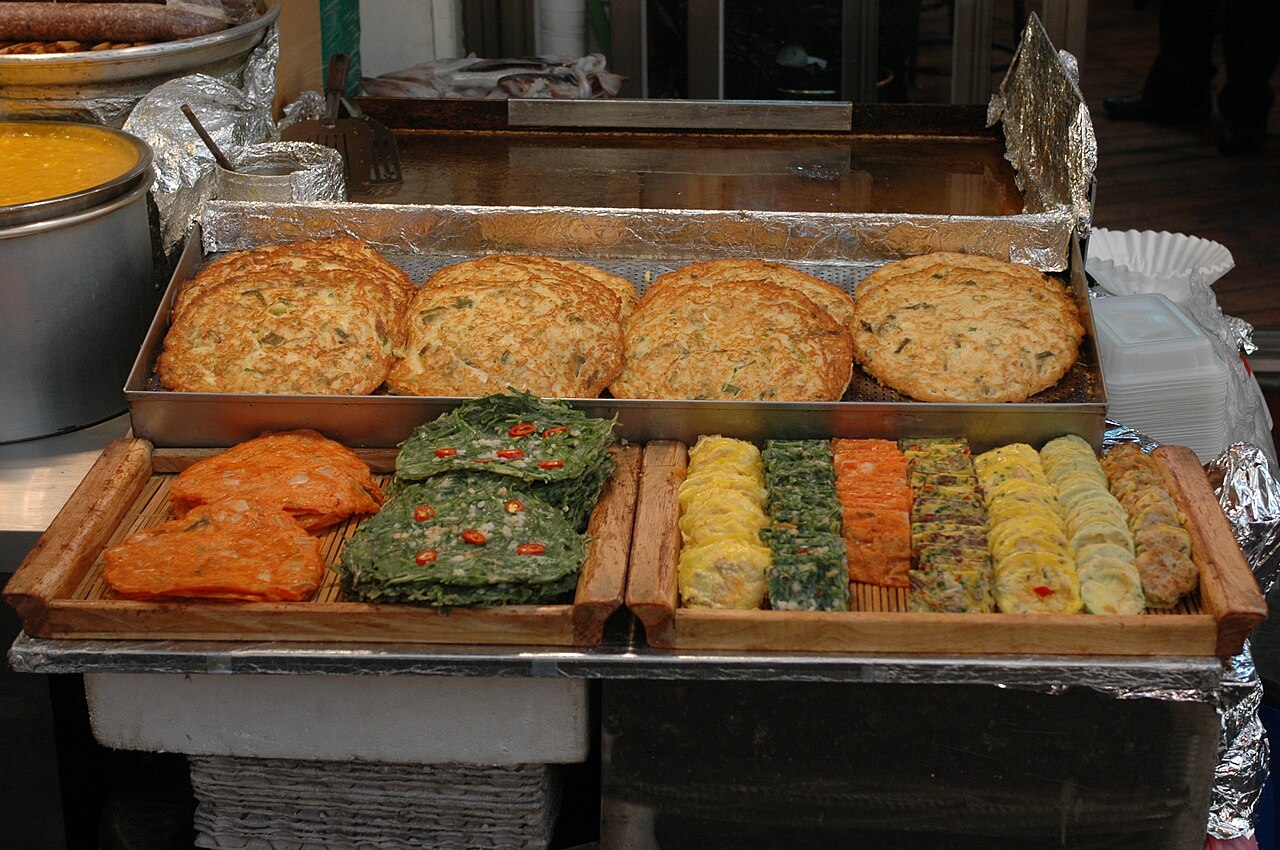
Start by deciding whether you want signature dishes (bindaetteok, mayak kimbap) or quick snacks. Carry enough Korean won because most stalls are cash‑only, though a few larger vendors offer QR‑code card payments. Prioritise stalls with visible red table bells and busy local patrons – they indicate efficient service.
If a stall is out of stock or the line is too long, move to the next recommended stall in the same food family. Ask the vendor politely for less spice or extra side dishes by pointing at the menu photos; locals often use simple gestures. Finally, keep a small backup budget for unexpected cravings, and be ready to switch stalls without losing momentum.
Comparison Table
Bindaetteok (mung‑bean pancake)
Typical Price (KRW)8,000–10,000
Spice LevelMild
Best Time to OrderMorning or early lunch when fresh
Mayak Kimbap (addictive mini rolls)
Typical Price (KRW)5,000–7,000
Spice LevelMild
Best Time to OrderMid‑day, less crowded stalls
Tteokbokki (spicy rice cakes)
Typical Price (KRW)6,000–8,000
Spice LevelMedium to Hot
Best Time to OrderAfternoon snack window
Soybean‑Paste Pancake
Typical Price (KRW)7,000–9,000
Spice LevelMild
Best Time to OrderLate lunch when bindaetteok runs low
Define Your Food Goals and Budget Before You Join the Line
Begin by asking yourself what you want from Gwangjang Market: a hearty protein like bindaetteok, a light snack such as mayak kimbap, or a sampling of multiple stalls. Set a clear per‑stall budget; many first‑timers overspend because they chase every stall that looks appealing. Knowing your limit helps you resist the temptation to order every dish you see, which can quickly drain cash and time.
Local context matters: during peak lunch hours, popular stalls become crowded, so a tighter budget may mean choosing a less‑busy stall that still offers authentic flavors. If you exceed your budget, you risk missing out on your top‑choice dish later in the day.
Buying Notes
- When I first stepped into Gwangjang Market with a heavy backpack, I spent ten minutes hunting for a stall that accepted cards; the line cleared only after I followed locals to a cash‑only bindaetteok stand.
- Notice the small red bell on each table – ringing it signals you need water or extra side dishes; locals use it before the staff even notices you.
- If your chosen stall runs out of fresh bindaetteok, head to the nearby mayak kimbap cart; the taste is similar and the queue moves faster.
Local Tips Worth Knowing
These are practical patterns that often come up in Korean local guides and traveler discussions, rewritten for visitors instead of copied from any one source.
- Many restaurants use table bells, QR ordering, or self-service water and utensils, so look around before assuming staff will come automatically.
- Pointing at menu photos is normal in casual restaurants and markets; short phrases like 'less spicy' and 'to go' solve many ordering problems.
- Small market stalls may be inconsistent with foreign cards, so carry some Korean won when trying street food.
- Side dishes are often refillable, but the custom depends on the restaurant; watch what local customers do before asking.
Visual Guide
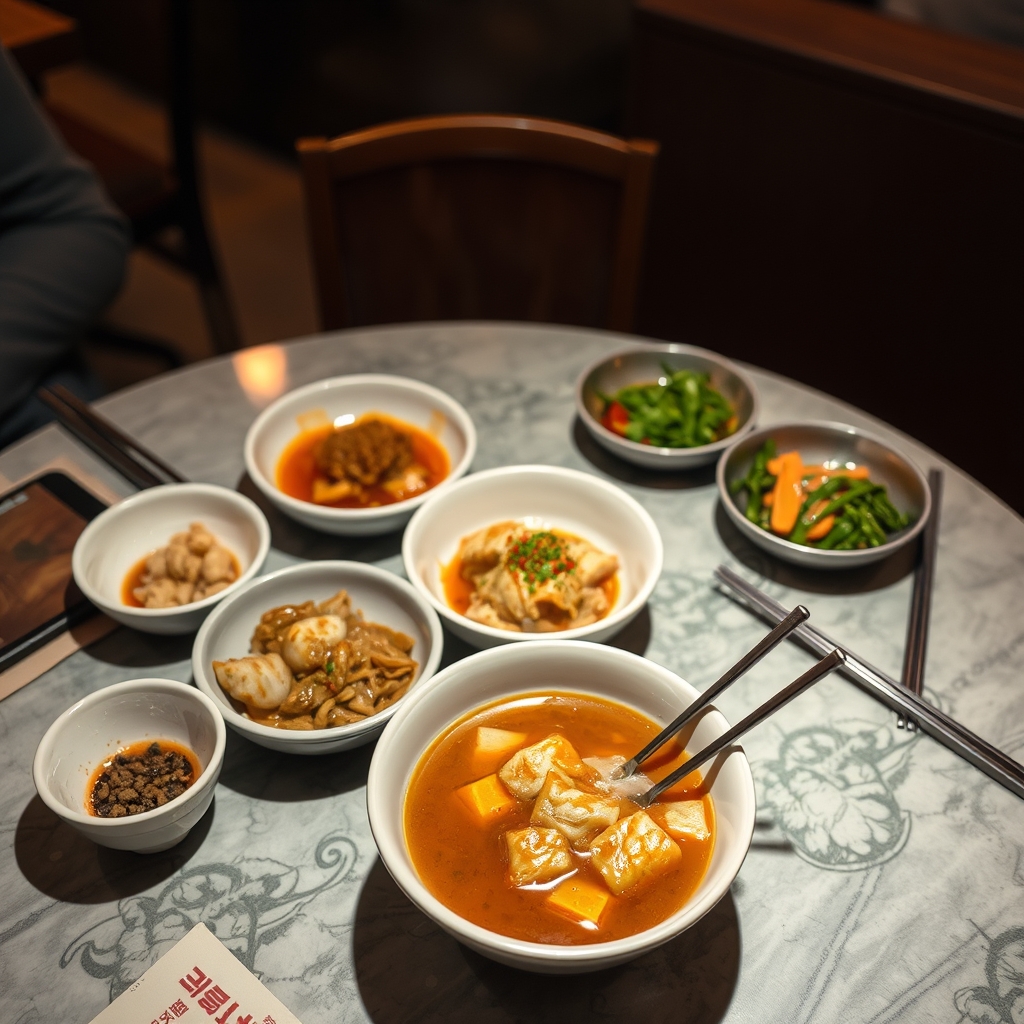
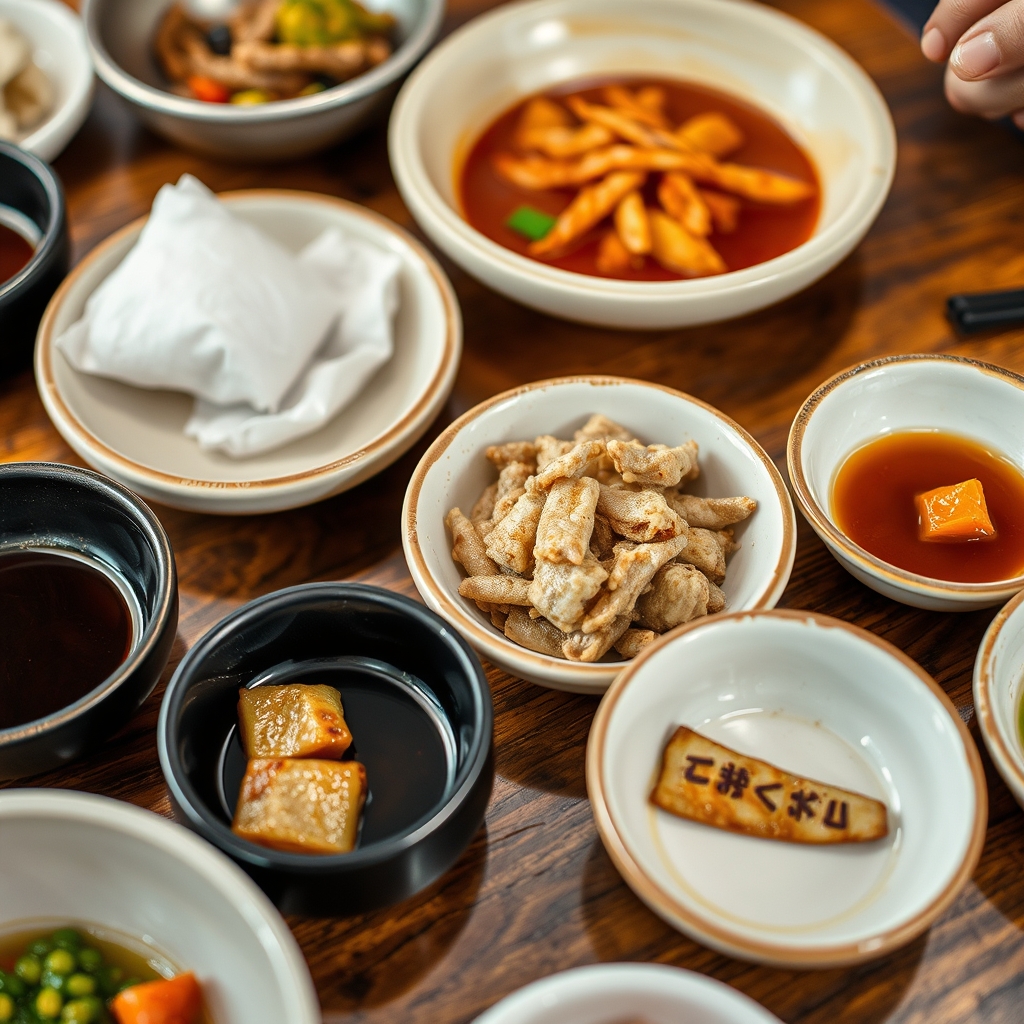
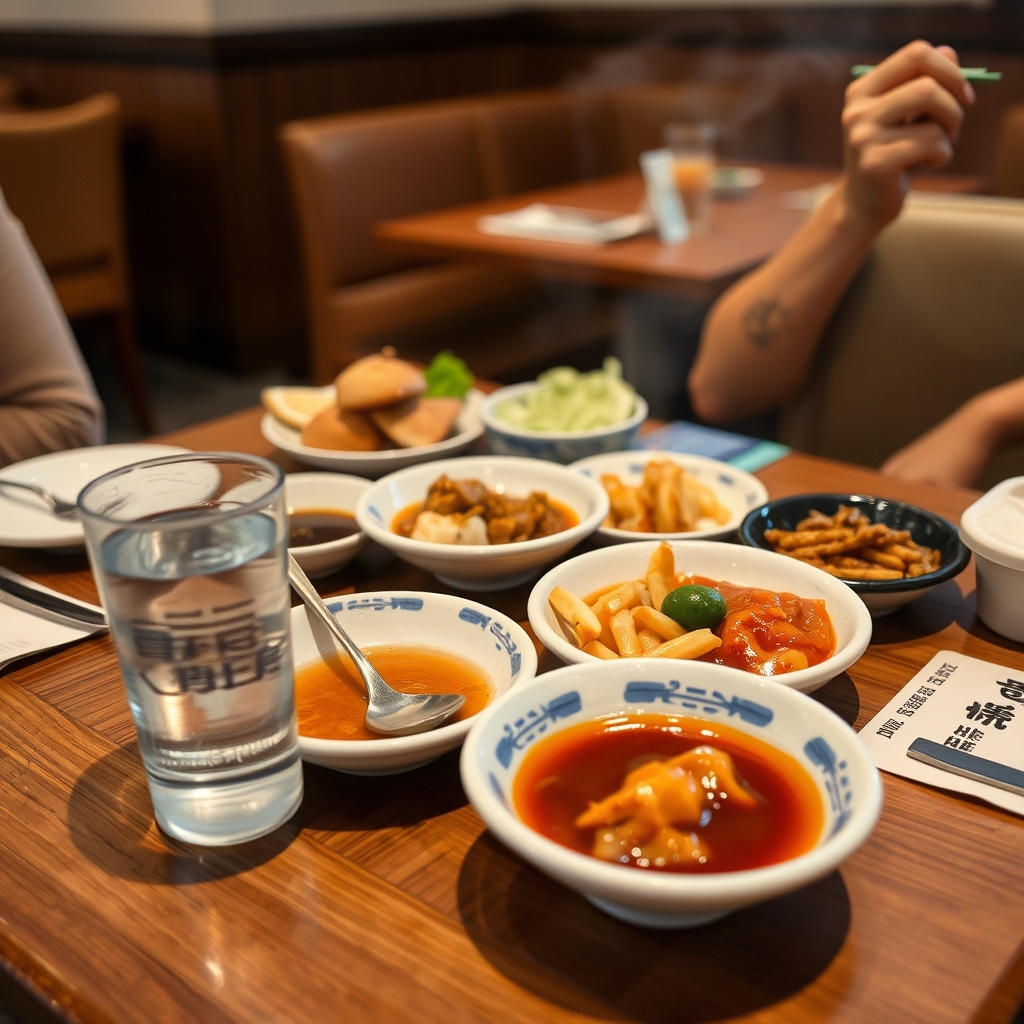
Stall Selection: Must‑Try Classics vs. Tourist‑Heavy Alternatives
The market’s most celebrated stalls serve bindaetteok (mung‑bean pancake) and mayak kimbap (addictive mini rolls). These are generally fast‑moving and have reliable quality, making them safe bets for beginners. However, some stalls cater heavily to tourists with inflated prices and slower service.
Look for long lines of local diners and the presence of the red table bell – these are indicators of authentic, efficient service. If you prefer a quieter experience, seek out stalls on the periphery that serve similar dishes but with shorter queues. The trade‑off is that peripheral stalls may have slightly less polished presentation, but the flavor remains authentic and the wait time drops dramatically.
Before You Decide
- Set a per‑stall spending limit before you start ordering.
- Carry at least a changing local price in cash for stalls without card options.
- Observe the red table bell usage to signal service needs.
- Ask for spice adjustments or extra side dishes using simple Korean phrases.
- Identify a nearby fallback stall that serves a similar dish.
Payment and Portion Requests: How to Ask for What You Need
Most vendors operate on a cash‑only basis, so have at least a changing local price ready for a single dish and side dishes. When you want a milder version or an extra serving of kimchi, point to the menu photo and say "덜 맵게" (less spicy) or "추가" (extra). The red bell on the table can be rung after you place your order to signal you need water or more banchan; staff will usually respond within a minute.
A common pitfall is assuming the vendor will understand English; using a few Korean words or gestures prevents miscommunication and speeds up service. If the vendor cannot accommodate a request, politely move to the next stall that offers the customization you desire.
Backup Plan When Your First Choice Is Closed or Out of Stock
Stalls can run out of fresh bindaetteok by mid‑afternoon or close early for cleaning. In such cases, shift to a nearby stall that serves similar textures, like the soybean‑paste pancake or the spicy tteokbokki cart. These alternatives keep you within the same flavor profile while avoiding long waits at a different food category.
Observe the flow of locals; if they are moving toward a particular stall, it often signals that the original vendor is sold out. Having a fallback option prevents you from spending extra time searching aimlessly and ensures you still experience the market’s culinary highlights.
FAQ
Can I pay with a credit card at most Gwangjang Market stalls?
Most stalls accept only cash, so bring Korean won; a few larger vendors may have QR‑code card readers, but you should not rely on them.
What if the bindaetteok stall I want is sold out?
Move to a nearby soybean‑paste pancake or tteokbokki cart; they offer comparable textures and keep you within the market’s core flavors.
How do I tell a vendor I want less spice?
Point to the menu photo and say "덜 맵게" (less spicy); locals use this short phrase and staff will adjust the seasoning accordingly.
Is it appropriate to tip the street food vendors?
No, tipping is not customary in Korean street markets; simply pay the listed price and thank the vendor.
Related Guides
Questions about this guide?
If something is unclear or you want a Korea-specific answer, leave a question. Public answers can be added after review.