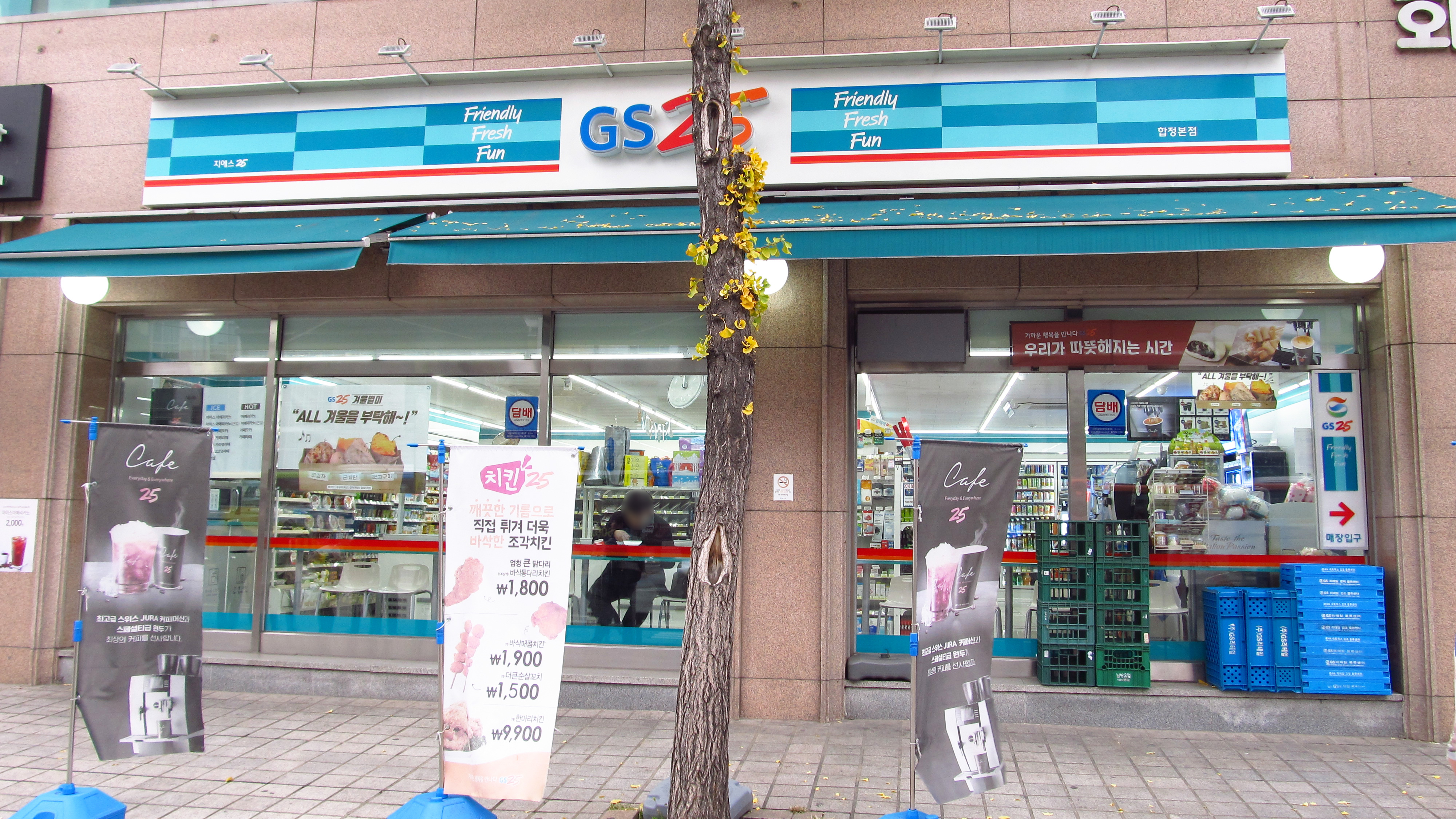
Why Convenience Stores Are a Tourist’s Food Shortcut
Convenience stores in Korea are more than vending machines; they are mini‑gourmet stalls open 24 hours, stocked with ready‑to‑eat meals, snacks, and desserts that reflect everyday Korean tastes. For travelers, they offer a low‑cost, low‑effort way to try local flavors without language barriers, because most items feature picture menus or bilingual labels. You can grab a hot meal during a train layover, a quick snack between sightseeing stops, or a sweet bite before heading back to your hotel.
The stores also accept cards and mobile payments, making transactions easy for foreign visitors. By understanding what each chain typically carries, you can plan a food itinerary that fits your schedule, budget, and appetite, turning a quick stop into a tasty cultural experience.
What I Would Do First
Korean convenience stores are a quick, affordable way to sample local flavors without hunting down a restaurant. Start by deciding what you crave – a hot meal, a snack, or a sweet treat – and whether you can handle spice. Visit the three major chains (GS25, CU, 7‑Eleven) and look for items that are clearly labeled in English or have picture menus.
Popular picks include kimchi fried‑rice cups, spicy chicken ramen, kimbap rolls and honey‑butter bread. Compare price, portion size and spiciness, then try one hot dish and one snack to see what you like. Keep an eye on expiration dates and any allergens, and you’ll enjoy a hassle‑free taste of Korea on the go.
Decision Notes
- Visitor friction: the hard part is usually knowing which visible clue to trust first for best Korean convenience store foods for tourists.
- Local cue: Look for the table bell, self-service water, utensil station, QR menu, or counter-payment sign before waiting for staff.
- Fallback move: if the first option fails, switch to a staffed counter, larger store, station area, or official app instead of guessing.
- Editorial mode: decision-brief.
Local Tips Worth Knowing
These are practical patterns that often come up in Korean local guides and traveler discussions, rewritten for visitors instead of copied from any one source.
- Use the store microwave or hot-water station only after checking the package instructions; staff usually expect customers to heat instant meals themselves.
- Look for spice icons, allergen labels, and expiration dates before buying refrigerated meals.
- Convenience stores usually accept major cards, but a small cash reserve is still useful if a terminal rejects a foreign card.
- Do not block the microwave or seating area while choosing food; pick first, heat quickly, and move aside for the next customer.
How to Choose the Right Snacks and Meals for Your Taste and Budget
First, decide whether you want a hot meal, a portable snack, or a dessert. Hot options like kimchi fried‑rice cups, instant ramen (often labeled "Buldak" for spicy chicken), and pre‑cooked bibimbap are usually easy to prepare in the microwave or hot-water area, but prices change often by brand and promotion. For snacks, look for kimbap rolls, tteokbokki (spicy rice cakes) packs, and assorted sea‑weed chips; these often come in single-serve packs and are easy to compare by package photo and spice label.
Sweet lovers can try honey‑butter bread, mochi, or Korean‑style pastries, with prices that vary by brand, size, and promotion. Check the packaging for spiciness icons (often a chili pepper) and allergen warnings. If you’re on a tight budget, stick to items labeled "value" or "budget"; for a more indulgent experience, choose premium‑brand snacks that feature higher‑quality ingredients.
Sampling a few items from each category will give you a balanced sense of Korean convenience‑store cuisine.
What This Looks Like
Comparison Table
Kimchi Fried Rice Cup
Best ForFans of savory, mildly spicy meals
Key FlavorKimchi, fried rice, egg
ConsiderationsMay be hot; check microwave time
Buldak (Spicy Chicken) Ramen
Best ForSpice seekers looking for a quick fix
Key FlavorIntense chili, chicken broth
ConsiderationsVery spicy; keep water nearby
Kimbap (Seaweed Rice Roll)
Best ForOn‑the‑go snack lovers
Key FlavorMild rice, pickled radish, tuna or beef
ConsiderationsCheck fillings such as tuna, ham, egg, or seafood before buying
Honey Butter Bread
Best ForSweet‑tooth travelers
Key FlavorSweet honey, buttery crust
ConsiderationsHigher sugar; moderate portion
Tteokbokki Snack Pack
Best ForSnackers who enjoy chewy texture
Key FlavorSpicy gochujang sauce, rice cakes
ConsiderationsSpice level varies by brand
Pitfalls to Avoid When Buying Convenience‑Store Meals
Even seasoned travelers can slip up. One common mistake is assuming every item is suitable for all diets; many ready-meals contain pork, seafood, dairy, or high sodium, so read the ingredient list if you have restrictions. Another trap is overlooking expiration dates, especially with refrigerated kimbap, lunch boxes, and desserts.
Shared microwaves and hot-water stations are normal, but use them quickly, follow the package instructions, and move aside when you are done. If you are sensitive to spice, double-check the chili icon; “mild” in Korea can still be hotter than you expect.
Field Notes
- Identify your dietary preferences (spicy, vegetarian, gluten‑free).
- Visit at least two major chains (GS25, CU, 7‑Eleven) to compare menus.
- Try one hot meal and one snack in the same store.
- Check expiration dates and ingredient lists before purchasing.
- Record price, portion size and taste notes for future reference.
Your Next Move: Sample, Compare, and Note Your Favorites
After you’ve explored a few stores, pick two items that appeal to you – one hot meal and one snack – and try them side by side. Note the price, portion size, spiciness level, and how satisfied you feel after eating. Use a small notebook or a notes app to record your impressions; this makes it easy to remember which chain offers the best value for your palate.
If a particular product stands out, consider buying a second pack to share with travel companions or to enjoy later. By turning tasting into a quick comparison exercise, you’ll build a personal guide to Korean convenience‑store foods that you can refer to on future trips or share with fellow travelers.
Reader Questions
Which convenience‑store foods are safe for travelers with common allergies?
Look for items with clear ingredient labels; many packs list peanuts, dairy, and shellfish. If you’re unsure, choose plain rice‑based snacks like kimbap or honey butter bread, which typically avoid major allergens. Always double‑check the small print, as some sauces may contain hidden soy or sesame.
Can I use foreign credit cards at Korean convenience stores?
Most major convenience store chains accept common international cards, but individual terminals can still reject a card. Keep a small cash reserve or another payment card so one failed terminal does not block a quick meal.
How do I heat a ready‑made meal if the store’s microwave is occupied?
Wait your turn, follow the heating instructions on the package, and move aside once the food is ready. Staff may help if you are confused, but in many stores customers are expected to use the microwave or hot-water station themselves.
Related Guides
Questions about this guide?
If something is unclear or you want a Korea-specific answer, leave a question. Public answers can be added after review.