Quick Answer
When you need a quick Korean breakfast from a convenience store, start by deciding your priority: speed, nutrition, or local flavor. For speed, grab a pre‑made kimbap or a rice ball and a bottled coffee. If nutrition matters, pair a low‑sugar instant porridge with a fresh fruit cup and a boiled egg.
Skip ultra‑sweet pastries if you’re watching sugar, and avoid items with excessive sodium like heavily seasoned ramen. If your first choice is unavailable, fall back to a simple rice porridge plus a banana, which still satisfies hunger and provides balanced energy. Ask the clerk politely for a hot water cup if you need to heat something, and remember that tipping isn’t expected at convenience stores.
Decide Your Breakfast Goal: Speed, Health, or Local Taste
Your first step is to clarify why you’re buying breakfast. If you’re rushing to catch a train, a ready‑made kimbap or a pre‑packed sandwich will get you out the door in under a minute. If you want a healthier start, look for instant rice porridge (죽), a fresh fruit cup, and a boiled egg—these items together give a balanced mix of carbs, protein, and vitamins without the sugar spike of pastries.
For a local‑flavor experience, consider a hot “김치볶음밥” (kimchi fried rice) cup and a bottle of sweetened barley tea. Knowing your priority narrows the aisle and prevents indecision, especially when the store is crowded.
Local Tips Worth Knowing
These are practical patterns that often come up in Korean local guides and traveler discussions, rewritten for visitors instead of copied from any one source.
- Many restaurants use table bells, QR ordering, or self-service water and utensils, so look around before assuming staff will come automatically.
- Pointing at menu photos is normal in casual restaurants and markets; short phrases like 'less spicy' and 'to go' solve many ordering problems.
- Small market stalls may be inconsistent with foreign cards, so carry some Korean won when trying street food.
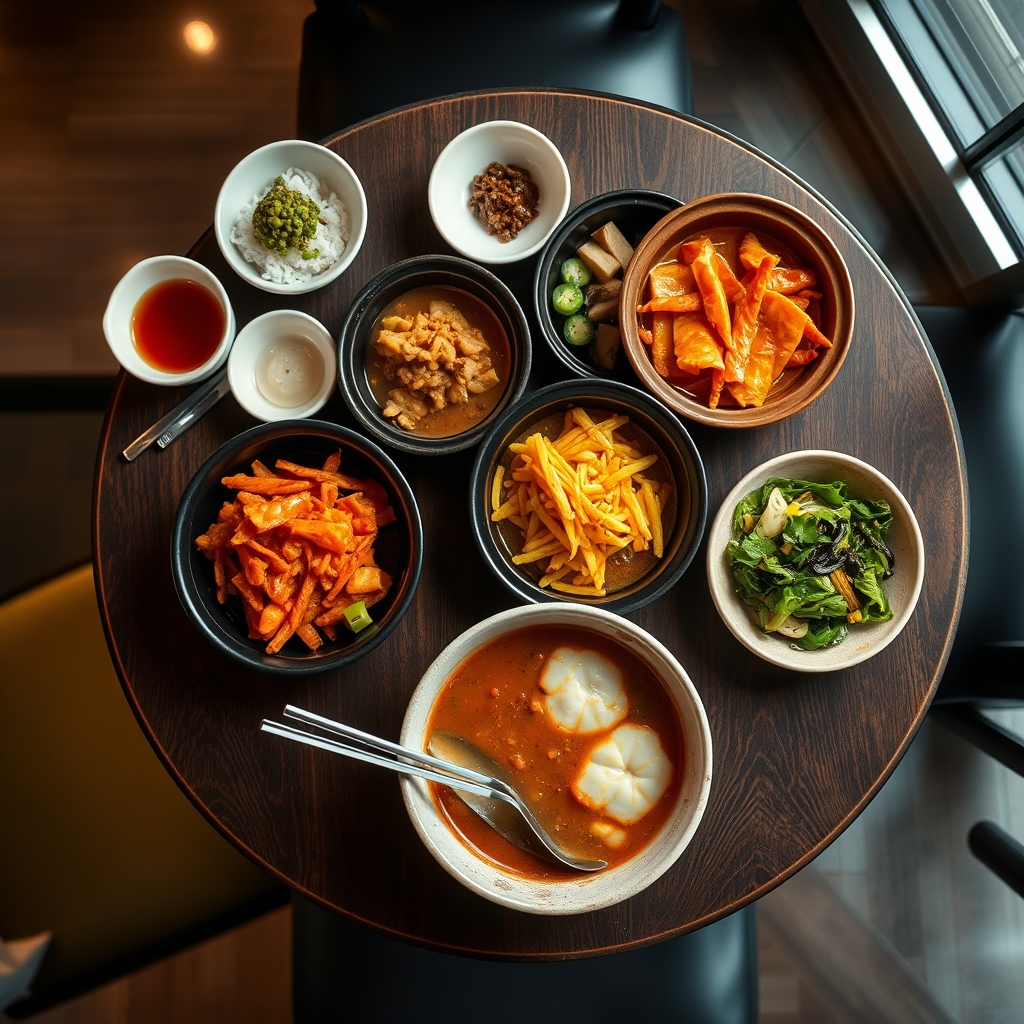
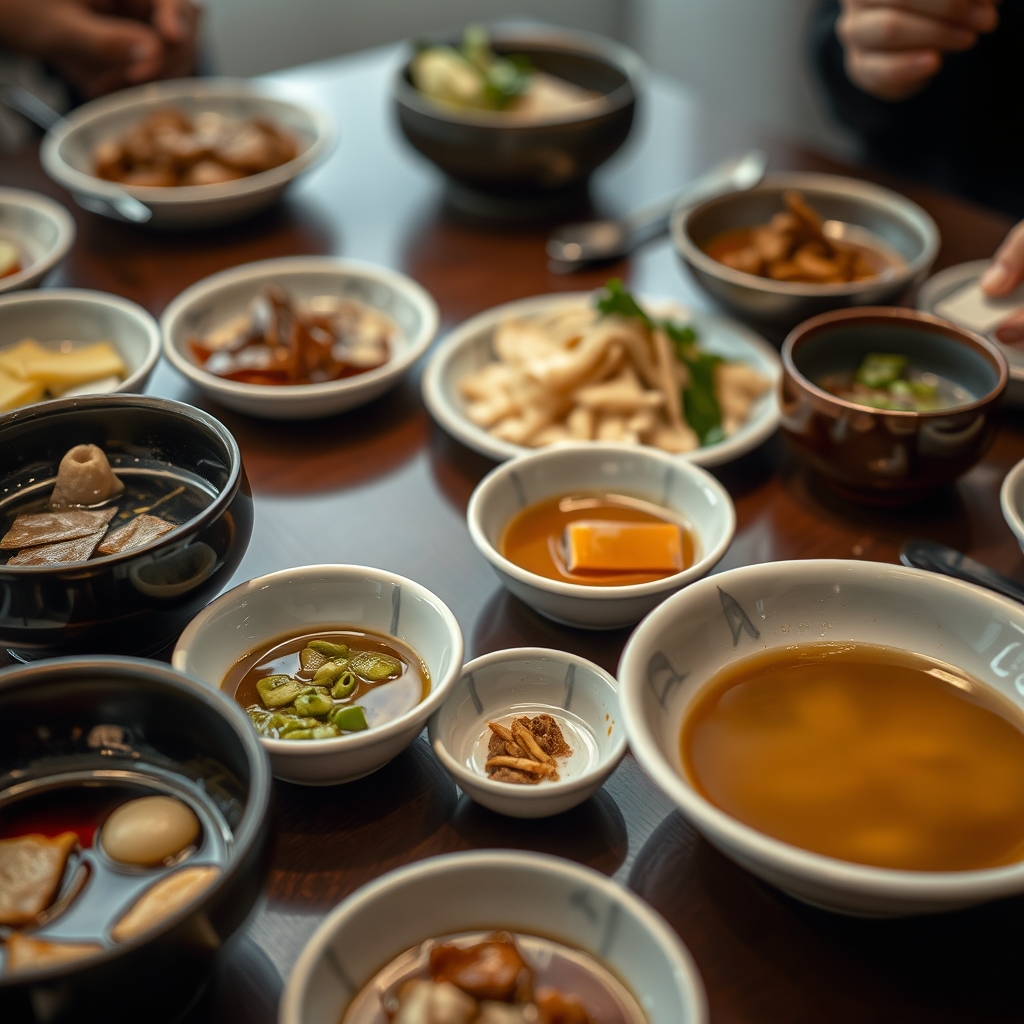
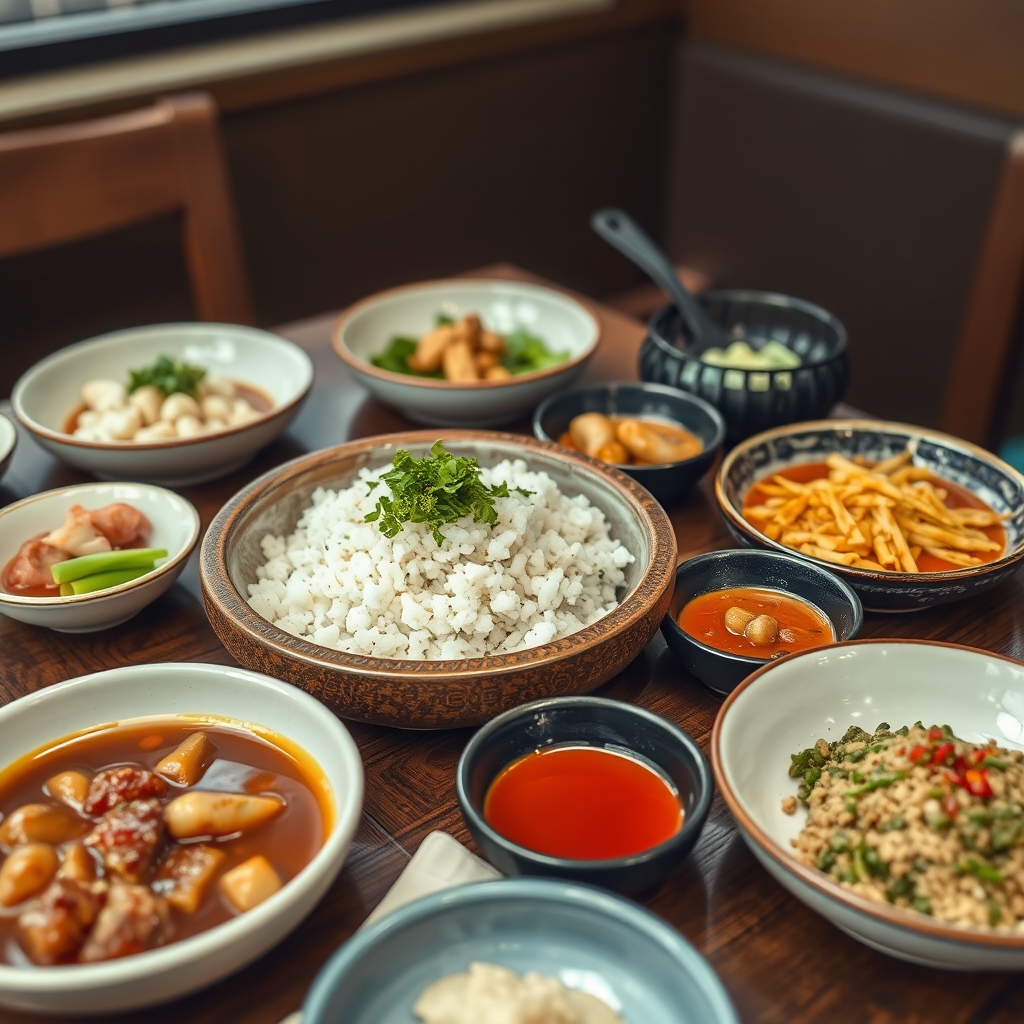
- Side dishes are often refillable, but the custom depends on the restaurant; watch what local customers do before asking.
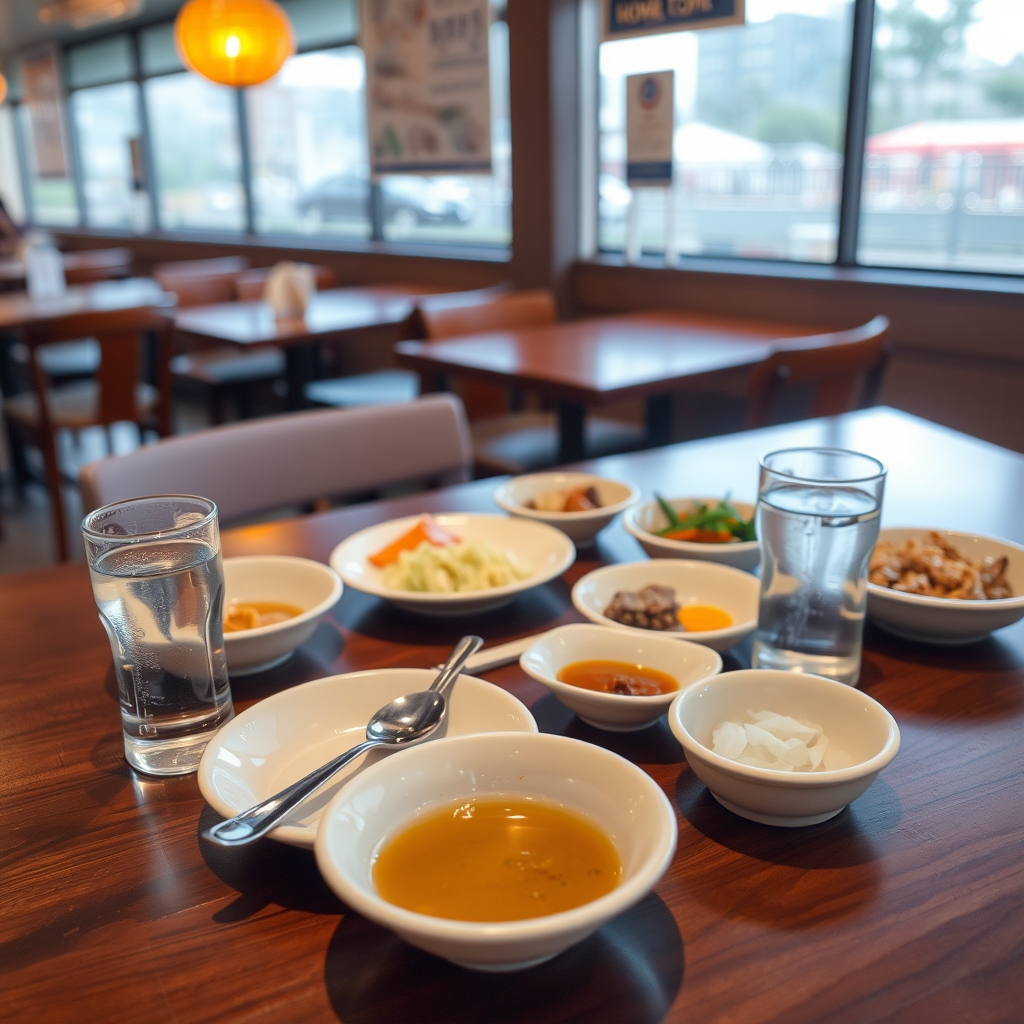
- Use the store microwave or hot-water station only after checking the package instructions; staff usually expect customers to heat instant meals themselves.
Three Core Breakfast Categories and Their Trade‑offs
Korean convenience stores typically group breakfast items into three buckets. 1) **Ready‑made rice dishes** – kimbap, rice balls, and hot rice bowls. They’re portable, protein‑rich, and often include pickled side dishes, but they can be higher in sodium.
2) **Baked or fried pastries** – sweet buns, croissants, and fried chicken bites. These satisfy cravings quickly but are usually high in sugar and fat, making them less suitable for a sustained energy release. 3) **Instant hot meals** – porridge, noodle cups, and soup packets.
They’re cheap, quick to heat, and can be fortified with vegetables, yet they may contain preservatives. By matching the category to your goal, you avoid buying items that don’t serve your immediate need.
Visual Guide
How to Request Simple Modifications Without a Language Barrier
Even in a busy store, you can get the exact breakfast you want with a few Korean phrases. Point to the item and say “덜 짜게 해 주세요” (less salty) if you’re sensitive to sodium, or “덜 달게 해 주세요” (less sweet) for pastries. For hot drinks, hold up the cup and say “뜨거운 물 주세요” (hot water please) to get a disposable cup for heating instant meals.
Clerks are accustomed to short gestures, so a smile and a pointing finger often suffice. If you need a fork or napkin, ask “포크 주세요” or “냅킨 주세요.” These brief requests keep the line moving and ensure you get a breakfast that fits your dietary preferences.
Fallback Purchases When Your First Choice Is Sold Out
Convenience stores rotate stock daily, so the exact kimbap or pastry you wanted may disappear. In that case, follow a three‑step backup plan: 1) Grab a plain instant rice porridge (죽) – it’s neutral, easy to heat, and pairs well with any side. 2) Add a fresh fruit cup or a banana for natural sweetness and fiber.
3) If you still need protein, look for a packaged boiled egg or a small pack of seasoned seaweed. This combo replicates the macro‑nutrient profile of a typical kimbap meal and keeps you full until lunch. The items are usually on the shelf, so you won’t waste extra time searching.
Comparison Table
| Breakfast Category | Typical Price Range (KRW) | Prep Time | Nutrition Highlights |
|---|---|---|---|
| Ready‑made rice dishes (kimbap, rice balls) | 3,000‑5,000 | 0 min (grab‑and‑go) | Carbs + protein, moderate sodium |
| Baked/fried pastries | 2,000‑4,000 | 0 min | High sugar/fat, quick energy |
| Instant hot meals (porridge, noodle cup) | 1,500‑3,000 | 2‑3 min (heat) | Carbs, low protein, customizable |
Checklist
- Determine whether speed, nutrition, or local flavor is your top priority.
- Scan the refrigerated section for ready‑made rice dishes if you need protein fast.
- Read ingredient lists on instant meals to avoid allergens or excess sodium.
- Ask for a hot‑water cup if you plan to heat a packaged item.
- If your first pick is unavailable, follow the fallback combo: porridge + fruit + protein snack.
FAQ
Can I eat Korean convenience‑store breakfast items if I’m vegetarian?
Yes. Look for vegetable‑only kimbap (often labeled with a carrot icon), plain rice porridge, fruit cups, and boiled eggs. Avoid items that list meat, fish sauce, or anchovy broth in the ingredients.
What’s the best way to keep my breakfast warm while traveling to work?
Purchase a disposable insulated cup (often near the hot‑drink aisle) and ask the clerk for hot water to pour over your instant porridge or noodle cup. This keeps the meal warm for 15‑a brief period.
Are there any breakfast items that require staff assistance to open?
Most pre‑packed meals have peel‑off lids, but some hot‑drink bottles have safety caps. If you’re unsure, ask the clerk to open the cap or provide a straw; they’re used to helping travelers.
Related Guides
Questions about this guide?
If something is unclear or you want a Korea-specific answer, leave a question. Public answers can be added after review.