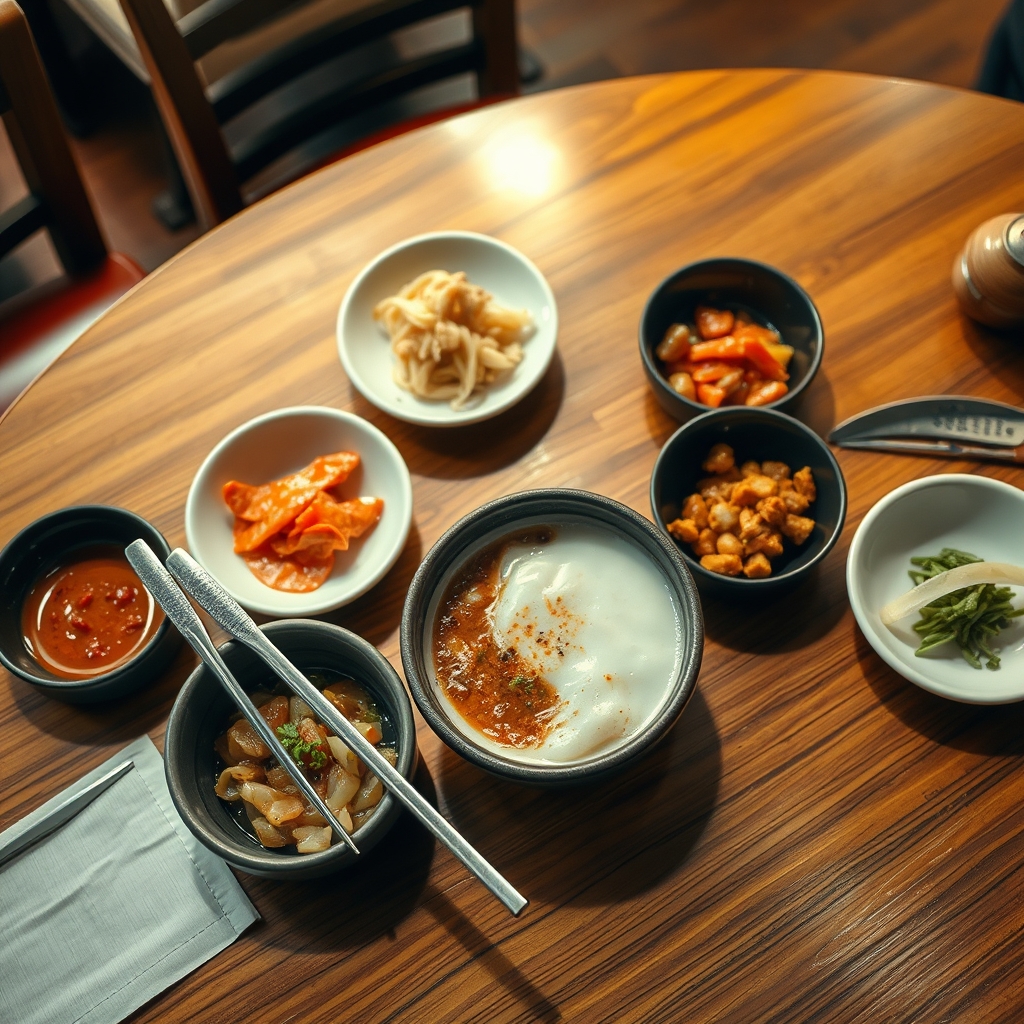
Best Short Answer
When you arrive at a Korean market stall, first glance for a QR code or a printed menu with photos; if you can’t read Korean, use the pictures to point out the dish you want. Signal any preferences—like “less spicy” or “to go”—with short English words or simple Korean phrases such as ‘덜 매워요’ (deol maeweoyo). Pay with cash, as many stalls don’t accept foreign cards, and keep a few won handy for small purchases.
If the QR code fails or the card reader is down, fall back to cash and point at the menu photo. After paying, watch the vendor wrap the food and move to a nearby bench or designated eating area, where you can enjoy your snack while observing local diners for etiquette clues.
Comparison Table
Scan QR code for digital menu
When It Works BestYou have a stable internet connection and prefer seeing prices in real time.
Potential DrawbacksQR may not load; some vendors’ scanners reject foreign cards.
Use laminated paper menu with photos
When It Works BestYou have limited data or the QR fails; visual cues are clear.
Potential DrawbacksPaper can be worn or missing; you may need to ask a local for clarification.
Point at a dish photo and speak a short phrase
When It Works BestLanguage barrier is high; you want a quick order without tech.
Potential DrawbacksMiscommunication can happen if the vendor misinterprets your gesture.
Identify the Stall That Serves Your Desired Dish
When you first enter a market like Namdaemun or Gwangjang, walk slowly along the rows of stalls and look for visual cues that match what you crave—brightly colored tteokbokki pots, sizzling hotteok grills, or a sign with a steaming bowl of bibimbap. Take note of the stall’s size and the length of its queue; a shorter line often means faster service, which is crucial when you’re tired. Observe how locals interact: if they’re already holding a paper menu or tapping a bell, that stall likely has an efficient ordering system.
Remember that some stalls specialize in one item, so if you want a variety, you may need to visit two or three different stalls. This initial visual scan prevents you from wasting time at a stall that doesn’t serve the food you’re after.
Before You Try It
- First‑time visitor friction: I arrived at Gwangjang Market after a long flight, my luggage still in tow, and the first stall I approached was already crowded, making it hard to see the menu.
- Local behavior cue: Vendors often flash a small hand‑bell or a QR code on the stall wall; locals tap the bell to get the vendor’s attention before the line moves.
- Fallback move: If the QR menu crashes or the card reader is offline, step back, grab a few Korean won from a nearby ATM, and place your order by pointing at a printed photo or using simple Korean phrases.
Local Tips Worth Knowing
These are practical patterns that often come up in Korean local guides and traveler discussions, rewritten for visitors instead of copied from any one source.
- Many restaurants use table bells, QR ordering, or self-service water and utensils, so look around before assuming staff will come automatically.
- Pointing at menu photos is normal in casual restaurants and markets; short phrases like 'less spicy' and 'to go' solve many ordering problems.
- Small market stalls may be inconsistent with foreign cards, so carry some Korean won when trying street food.
- Side dishes are often refillable, but the custom depends on the restaurant; watch what local customers do before asking.
Visual Guide
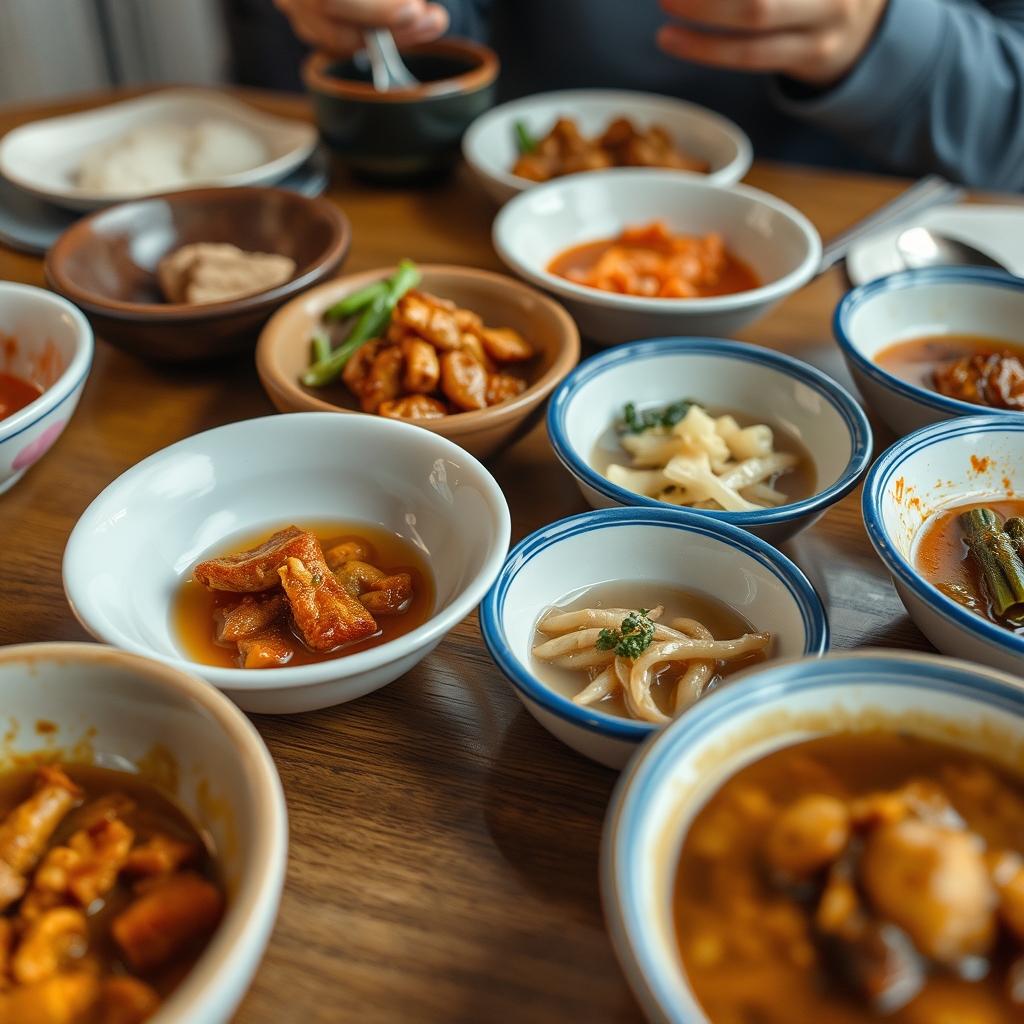
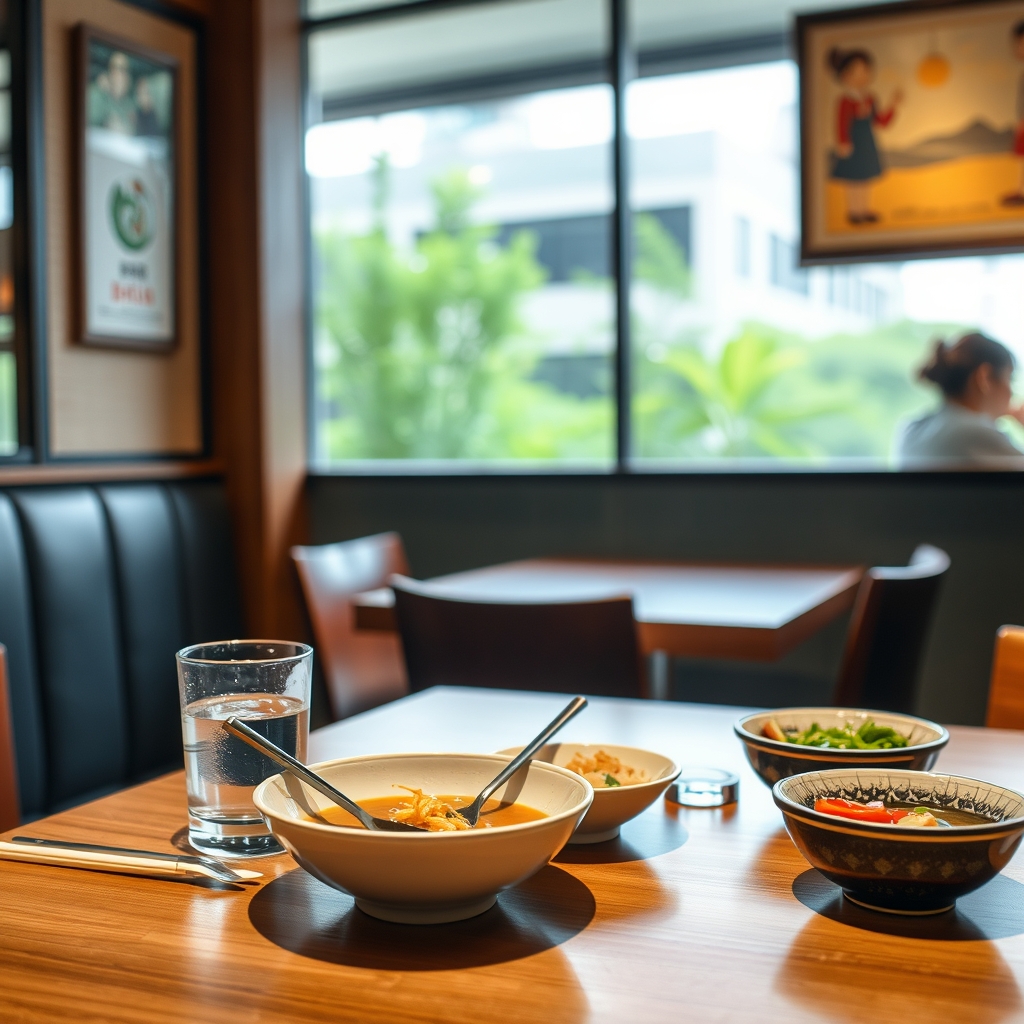
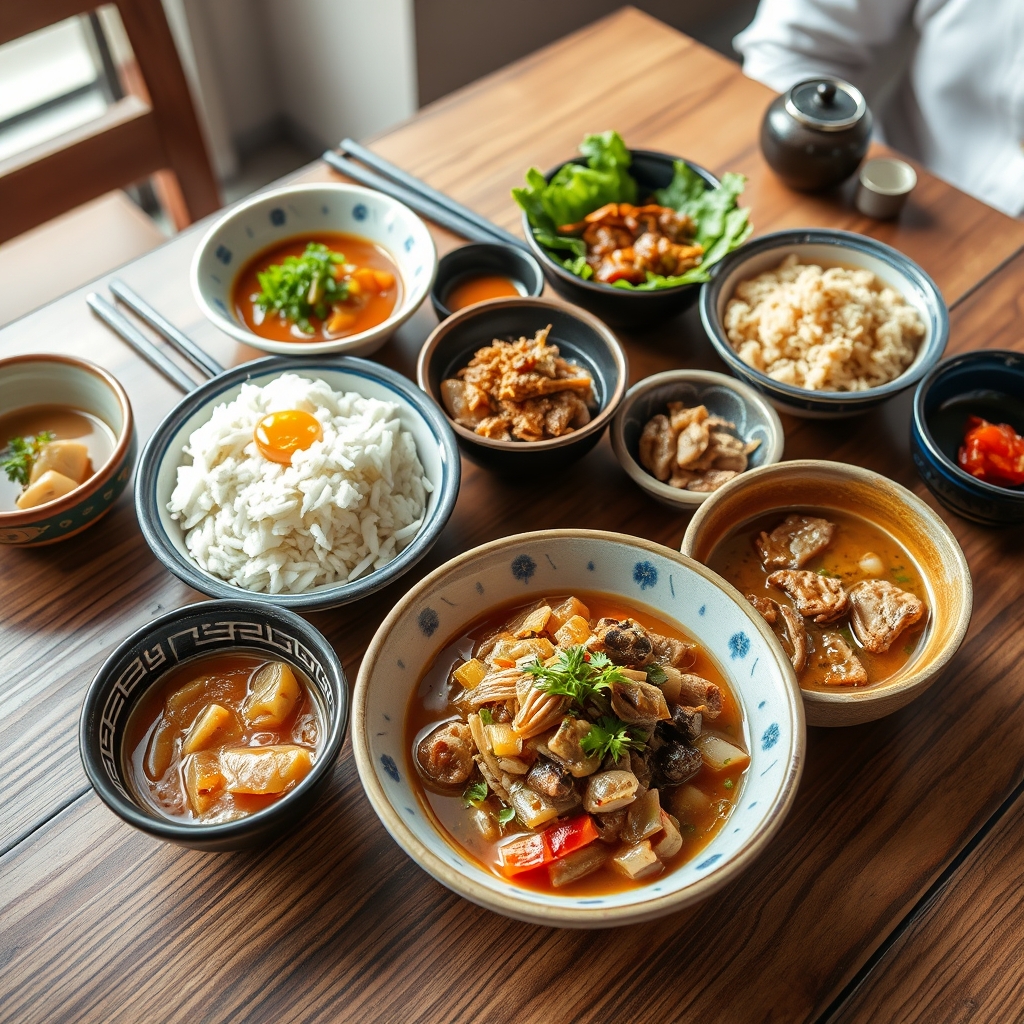
Decode the QR or Paper Menu Before the Line Moves
Most market stalls now display a QR code on a small board; scanning it with your phone opens a digital menu with photos and prices. If you’re unfamiliar with QR usage or have limited data, look for a laminated paper menu beside the grill. The paper version typically shows large pictures of each dish, making it easy to point at the exact item you want.
Take a moment to compare portion sizes and any optional add‑ons, such as extra cheese on a cheese‑tteokbokki. If the QR code fails to load, don’t panic—switch to the paper menu or ask a nearby local to show you the dish they’re ordering. This step ensures you know exactly what you’ll receive before you reach the front of the line.
Before You Decide
- Identify the stall that serves the specific street food you crave.
- Check whether the stall accepts cash only or also foreign cards.
- Confirm the spice level or dietary preferences using simple phrases.
- Carry enough Korean won for cash‑only transactions.
- Locate a nearby seating area or fallback spot before you start eating.
Signal Your Preference Without Speaking Fluent Korean
When you reach the vendor, keep your order simple. Use short English words like “less spicy” or the Korean phrase ‘덜 매워요’ (deol maeweoyo) if you feel comfortable. Point directly at the picture on the menu or at the prepared dish in the vendor’s display.
If you need your food to go, say “to go” clearly; many vendors understand the English term. For dietary concerns—such as avoiding pork—use the Korean word ‘돼지고기 안돼요’ (dwaejigogi an dwaeyo) or simply point at the dish and shake your head. By combining a brief verbal cue with a visual point, you minimize misunderstandings and speed up the ordering process, which is especially helpful when the stall is busy.
Handle Payment When Cards May Not Be Accepted
Before you hand over cash, confirm the accepted payment methods. Many stalls only take Korean won, so have a small amount of cash ready—ideally in a changing local price bills for easy change. If the vendor displays a card reader, test it with a small amount first; foreign cards sometimes fail due to network restrictions.
When the card is declined, politely apologize, switch to cash, and complete the transaction. Remember that tipping is not customary in Korean street food stalls, so you do not need to add extra cash beyond the listed price. Keeping a few coins handy also helps you pay for side dishes that may be offered as refills.
FAQ
How can I order without speaking Korean fluently?
Use a combination of pointing at the picture on the menu and short English or Korean phrases like ‘less spicy’ (덜 매워요) or ‘to go’. Vendors are accustomed to visual cues and will usually understand your request.
What should I do if my foreign credit card is declined at a stall?
Switch to cash immediately. Most stalls accept Korean won, so keep a small amount of cash handy. If you run out, look for an ATM nearby—many market areas have ATMs in the same building or just outside.
Is it appropriate to tip the street‑food vendor?
No. Tipping is not customary in Korean street food markets, and vendors expect payment of the listed price only. Adding extra cash may cause confusion, so simply pay the amount shown on the menu.
Related Guides
Questions about this guide?
If something is unclear or you want a Korea-specific answer, leave a question. Public answers can be added after review.