Start Here
When traveling in Korea, pick a sunscreen that aligns with three factors: your skin sensitivity, how much time you have for daily routines, and where you’ll shop. If you need a fast, low‑cost solution and can reapply often, head to any convenience store for a basic SPF 30+ PA+++ product. For moderate budgets and a one‑step routine, mid‑range options from major K‑beauty brands sold at department‑store beauty counters provide broad‑spectrum protection and a pleasant texture.
If you value high‑tech formulas, minimal white cast, and are willing to spend more, premium sun‑creams from flagship stores deliver SPF 50+ PA++++ with added moisturising benefits. In all cases, verify the Korean labeling, do a quick patch test, and keep a travel‑size tube handy for re‑application after indoor‑to‑outdoor changes.
Do This in Order
- Identify your skin type and any known sensitivities before shopping.
- Match the sunscreen’s SPF and PA rating to the season you’ll be visiting.
- Choose a purchase location based on budget, product range, and time constraints.
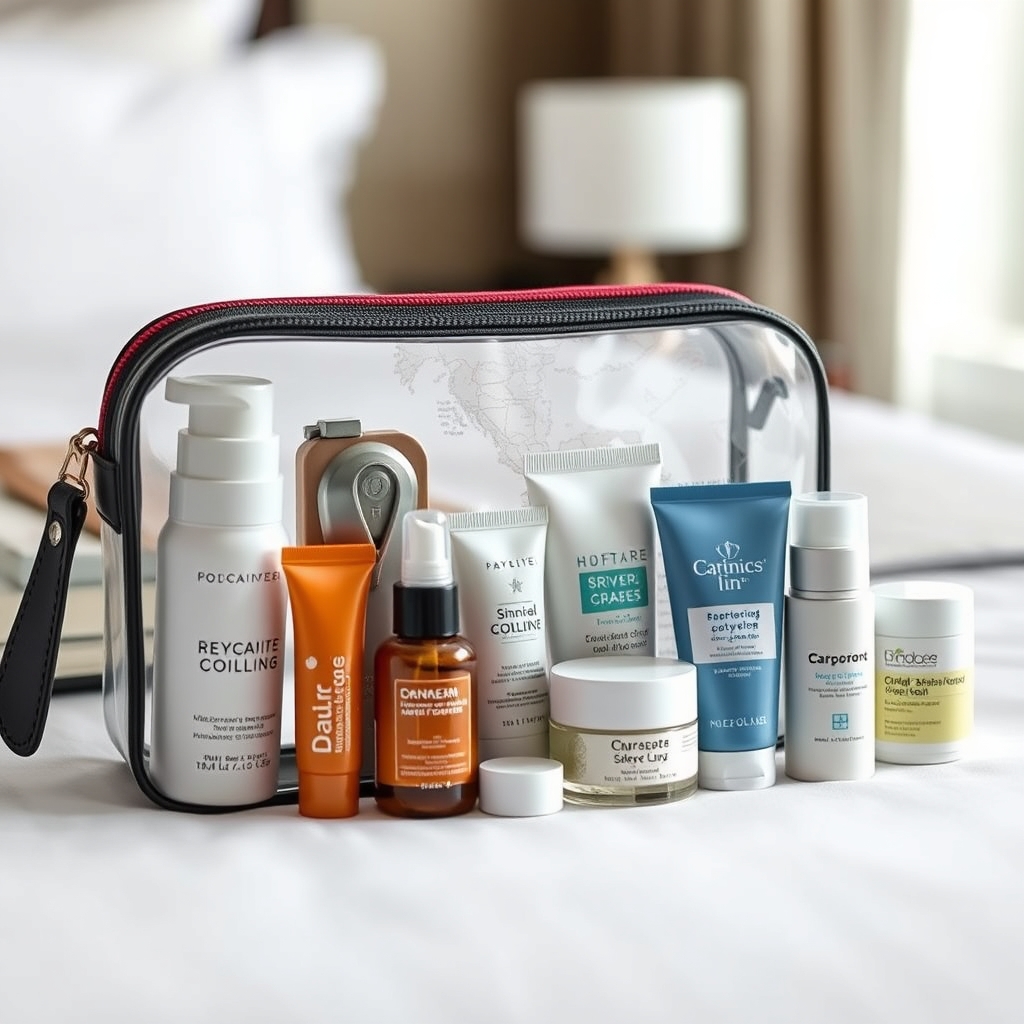
- Pack a travel‑size backup sunscreen labeled ‘SPF 30+ PA+++’ for emergencies.
- Set a phone reminder to reapply sunscreen every two hours or after sweating.
Speed vs. Coverage: Which Application Style Fits Your Travel Pace
Travelers often choose between a quick‑spray or a cream that needs a few minutes to absorb. If you move between attractions with little downtime, a spray or lightweight gel labeled ‘quick‑dry’ lets you protect skin in under ten seconds, but you must reapply after sweating or wiping. Creamier formulas give longer wear and added moisturisation, ideal for longer stays in one area or for those with dry skin, yet they require a brief pause to settle.
Consider your daily schedule: a packed itinerary with frequent indoor‑outdoor shifts favors speed, while a relaxed itinerary with fewer transitions benefits from a more robust, longer‑lasting cream.
Decision Notes
- First‑time visitor friction point: I spent ten minutes hunting for a sunscreen that meets Korean SPF labeling while juggling my carry‑on and a language barrier at the airport kiosk.
- Local behavior cue: Convenience‑store clerks often direct customers to the shelf marked ‘UV‑Protect’ rather than naming a brand, signaling which products meet Korean sun‑protection standards.
- Fallback move: If the recommended sunscreen is sold out, select any product labeled ‘SPF 30+ PA+++’ from a nearby pharmacy and increase re‑application frequency, especially after indoor‑to‑outdoor transitions.
Skin Sensitivity Checklist: Avoiding Irritation from Korean Ingredients
K‑beauty sunscreens often contain botanical extracts, niacinamide, or centella asiatica, which can be soothing for many but may trigger reactions for sensitive skin. Before buying, inspect the ingredient list for common irritants like fragrance or alcohol. If you have a history of eczema or acne, prioritize formulas marked ‘non‑comedogenic’ and fragrance‑free, even if they sit at a higher price point.
A quick patch test on the inside of your wrist soon after arrival can reveal any immediate redness. Local pharmacists can point you toward hypoallergenic options, but the ultimate decision rests on your personal tolerance and the climate you’ll encounter.
Comparison Table
| Option | Ideal Traveler Profile | Key Advantage | Potential Drawback |
|---|---|---|---|
| Budget (e.g., convenience‑store SPF 30+ PA+++) | First‑time visitors on a tight budget who can reapply frequently | Low cost, widely available, easy to carry | May require more frequent re‑application and lacks advanced skin‑care additives |
| Balanced (e.g., department‑store mid‑range SPF 50+ PA+++) | Travelers who want solid protection with a pleasant texture and moderate price | Broad‑spectrum coverage, smoother finish, often includes soothing ingredients | Higher price than budget options and limited availability outside major malls |
| Premium (e.g., flagship‑store SPF 50+ PA++++) | Time‑pressed visitors who prefer a one‑step, long‑lasting formula and are comfortable spending more | Highest UV‑A/B protection, minimal white cast, added moisturisers, travel‑size samples | Most expensive and may be sold out during peak tourist seasons |
Photos Before You Go
Local Tips Worth Knowing
These are practical patterns that often come up in Korean local guides and traveler discussions, rewritten for visitors instead of copied from any one source.
- Patch test new skincare first, especially if you are buying unfamiliar K-beauty products during a short trip.
- For dry or irritated skin, fix cleanser and moisturizer basics before adding exfoliants, retinoids, or strong actives.
- Olive Young staff and shelf rankings can help narrow choices, but ingredient role matters more than viral popularity.
- Travel weather matters: winter heating, summer humidity, and long flights can change how heavy a product feels.
Where to Buy: Convenience Store, Department Store, or Brand Flagship
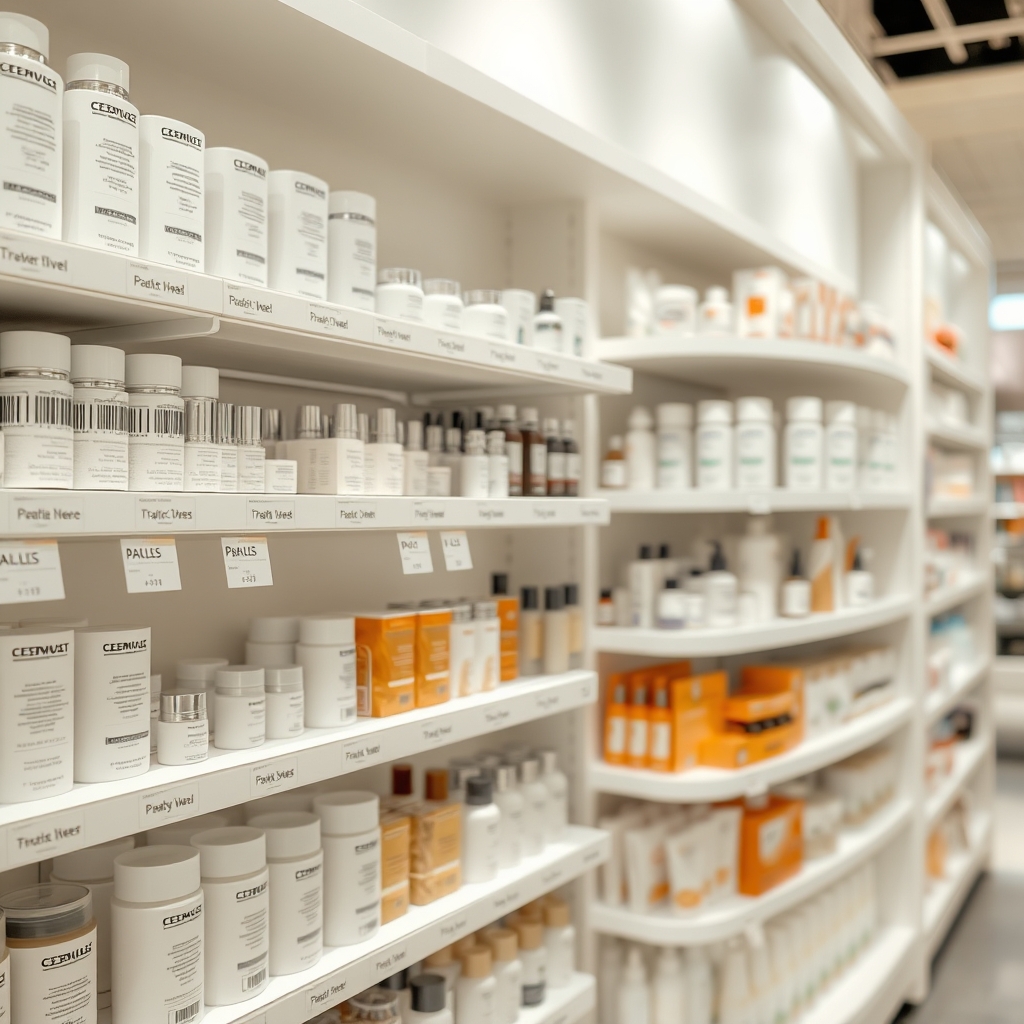
Each purchase location carries trade‑offs. Convenience stores (e.g., CU, GS25) stock a limited range of budget sunscreens with clear SPF 30+ PA+++ labels; they’re easy to find but may lack advanced textures. Department stores and beauty malls host a broader selection, including mid‑range and premium lines, and staff can advise on skin type matching, though prices are higher and lines longer.
Brand flagship stores guarantee the newest formulations and often provide travel‑size samples, but they’re usually located in major shopping districts, requiring extra travel time. Choose the outlet that aligns with your budget, willingness to explore, and need for expert guidance.
Seasonal Adjustments: How Korean Weather Changes Your Sunscreen Needs
Korea’s climate swings from humid summer heat to dry, indoor‑heated winter. In summer, high humidity and strong UV rays make a high‑SPF, water‑resistant sunscreen essential; look for ‘PA++++’ and consider a mattifying finish to combat shine. In winter, indoor heating can dry skin, so a sunscreen that doubles as a light moisturizer—often found in mid‑range or premium lines—helps maintain barrier function.
If you’re traveling across seasons, carry two small tubes: a lightweight, sweat‑proof option for sunny days and a richer, hydrating formula for colder periods. Local weather forecasts can be checked via the Korea Meteorological Administration app to fine‑tune your choice.
Reader Questions
Which Korean sunscreen should I pick if I only have 30 minutes between museum visits?
Opt for a quick‑dry spray or gel with SPF 30+ PA+++ from a convenience store; it protects fast and lets you resume your schedule without a lengthy wait. Reapply after each indoor‑outdoor transition.
Can I rely on a Korean sunscreen’s SPF label the same way I do with Western products?
Korean SPF numbers are measured differently, so a label of SPF 30 may feel lighter than a Western SPF 30. To ensure comparable protection, also look for a high PA rating (PA+++ or PA++++) which indicates strong UV‑A coverage.
What should I do if my preferred sunscreen is sold out at the flagship store?
Head to the nearest convenience store or pharmacy and select any product marked ‘SPF 30+ PA+++.’ Use it as a backup and increase re‑application frequency, especially after sweating or wiping your face.
Related Guides
Questions about this guide?
If something is unclear or you want a Korea-specific answer, leave a question. Public answers can be added after review.