Quick Answer
When navigating Myeongdong’s street‑food alley, first look for stalls that display a table bell, QR ordering, and a stack of disposable utensils – these are the fast‑service spots worth trying. Avoid stalls with long, static queues, elaborate cooking stations, or those that require cash‑only payment if you’re short on time. If a popular stall is crowded, move two doors over to a nearby vendor offering the same dish but with a visible “ready‑to‑serve” sign.
Remember that tipping isn’t customary, so you don’t need to leave extra cash. By matching your pace to these visual cues and having a backup stall in mind, you keep your snack tour efficient and enjoyable.
Spot the stalls that waste your time and money
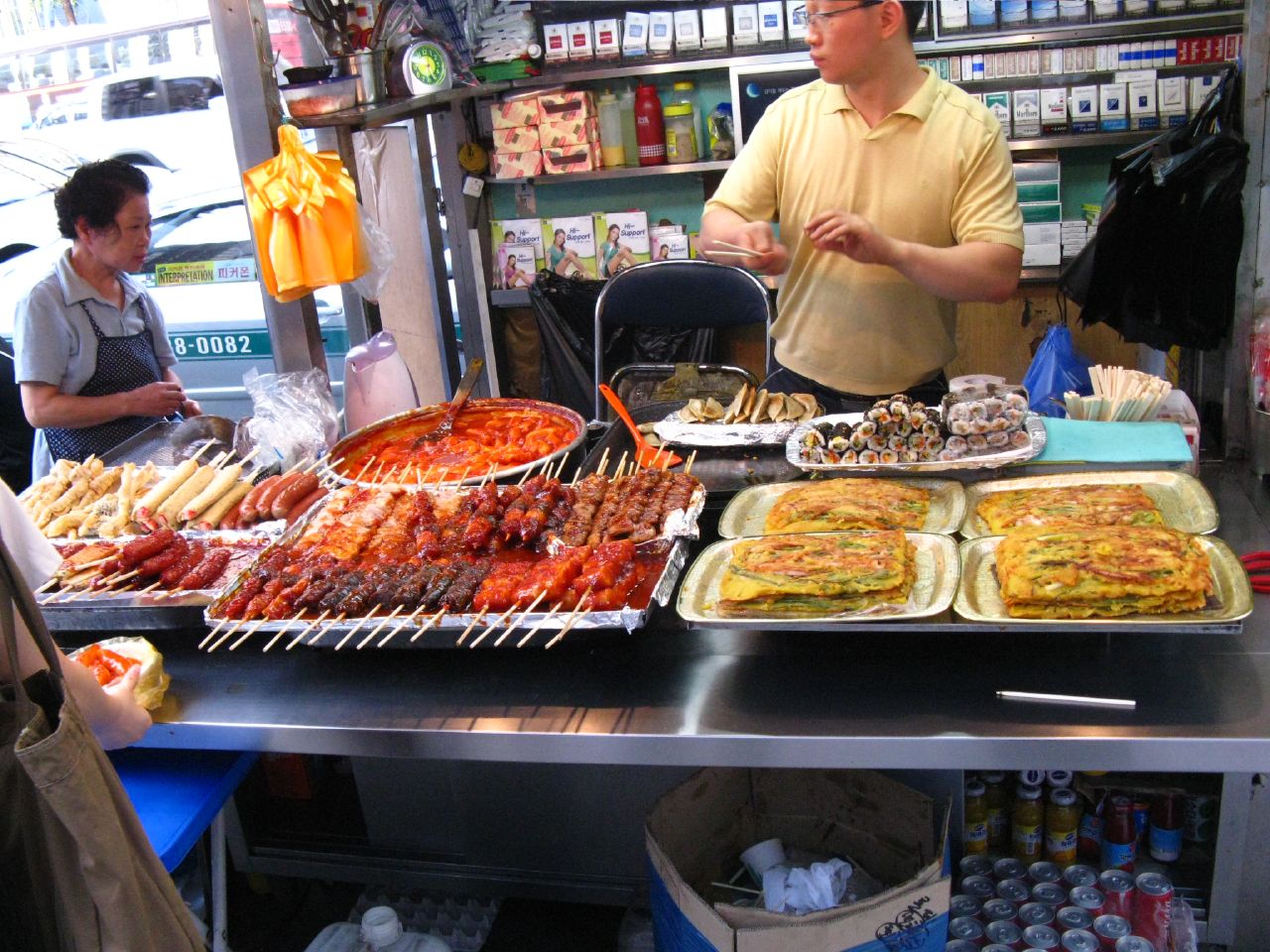
Myeongdong’s food corridor is packed with dozens of vendors, but not all deliver value. The biggest time‑sinks are stalls that have elaborate cooking displays, require you to wait for a single chef, or charge premium prices for basic snacks like tteokbokki. Look for long, stationary lines that don’t move even after the vendor finishes a batch – this usually signals low turnover.
Also, be wary of stalls that only accept foreign cards; they often have higher minimum orders or hidden fees. By eliminating these high‑wait, low‑value options before you order, you free up space in your itinerary for the quick, tasty bites that locals favor.
Comparison Table
| Stall type | Typical wait | Value for money | Local cue |
|---|---|---|---|
| Bell‑ring fast‑serve (e.g., tteokbokki) | 2‑5 min | High | Table bell, utensil stack |
| QR‑order self‑service (e.g., hotteok) | 3‑6 min | Medium‑high | QR code at eye level |
| Cook‑on‑the‑spot (e.g., grilled squid) | 10‑15 min | Low‑medium | Visible grill, no bell |
| Cash‑only premium stall (e.g., specialty bungeoppang) | 5‑8 min | Medium | No card sign, higher price tags |
Read the on‑site visual language that signals a quick‑turnover vendor
Korean street vendors use subtle signs to communicate speed and service style. A small metal bell on the table means the staff will ring it when your order is ready, cutting down on shouting. QR codes placed at eye level indicate a self‑service ordering system, which usually processes orders faster than handwritten tickets.
Stacks of disposable chopsticks or spoons on the counter show the stall expects high volume and fast turnover. Conversely, a lack of these cues often means the vendor prepares each dish individually, leading to longer waits. By scanning for these visual markers, you can instantly decide whether a stall fits a rapid snack schedule.
Local Tips Worth Knowing
These are practical patterns that often come up in Korean local guides and traveler discussions, rewritten for visitors instead of copied from any one source.
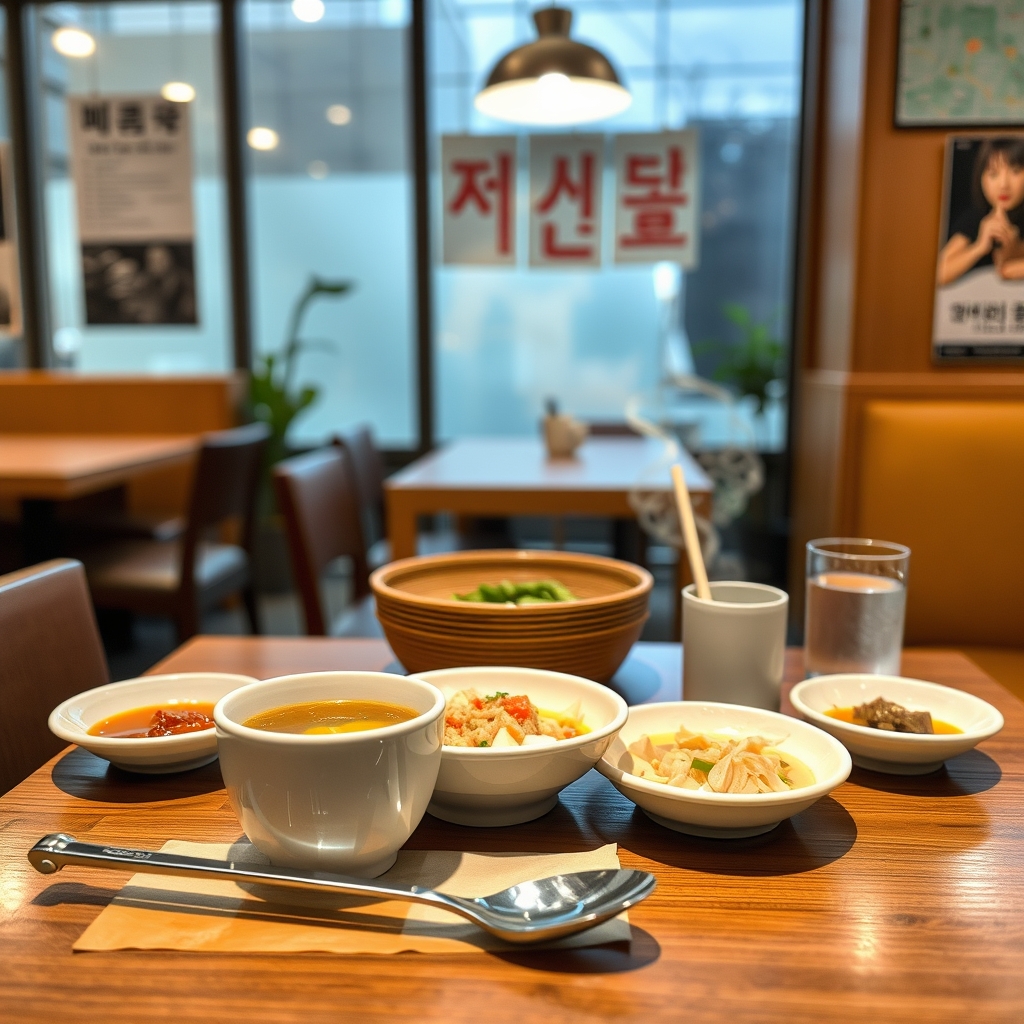
- Many restaurants use table bells, QR ordering, or self-service water and utensils, so look around before assuming staff will come automatically.
- Pointing at menu photos is normal in casual restaurants and markets; short phrases like 'less spicy' and 'to go' solve many ordering problems.
- Small market stalls may be inconsistent with foreign cards, so carry some Korean won when trying street food.
- Side dishes are often refillable, but the custom depends on the restaurant; watch what local customers do before asking.
Visual Guide
Switch to a nearby alternative when the ideal stall is jammed
Even the most efficient stalls can become overcrowded during peak lunch hours. When you encounter a full queue, don’t linger; instead, walk two doors down the same street. You’ll often find a vendor offering the same signature dish—such as hotteok or mandu—with a “pre‑order” sign or a visible line of ready‑made plates.
These backup stalls typically have a shorter wait because they prepare portions in advance. If you’re carrying luggage or using a phone, choose a stall with a clear counter layout that lets you place cash or scan QR codes without juggling bags. This fallback strategy keeps your snack break under a brief period.
Checklist
- Identify stalls with a table bell or QR code before joining a line
- Carry a backup payment option for cash‑only vendors
- If a stall’s queue exceeds a brief period, move two doors down to the backup vendor
- Pay the exact amount shown; do not add a tip
- Confirm card surcharge on the payment screen before confirming
Finish without tip confusion or receipt worries
Korean street food culture does not include tipping, so you can pay the exact amount shown on the menu or QR screen without adding extra cash. If the vendor provides a printed receipt, keep it only for personal records; there is no need to request a tax invoice unless you’re filing expenses. When paying with a foreign card, confirm the total before tapping, as some machines add a small surcharge.
If the card is declined, have a few Korean won ready as a backup. By understanding these payment nuances, you avoid awkward moments at the end of your snack run and can move on to the next attraction smoothly.
FAQ
How can I tell if a street‑food stall is worth the wait?
Look for a table bell, QR ordering, and a stack of disposable utensils – these cues mean the vendor serves quickly and offers good value. If those are missing and the line is long, it’s better to skip.
What should I do if my foreign card is rejected at a stall?
Switch to cash immediately; most stalls accept Korean won. Keep a a small amount of cash on hand for such situations, and avoid stalls that display a “card‑only” sign if you’re not sure about acceptance.
Is it ever appropriate to leave a tip for street‑food vendors in Myeongdong?
No. Tipping is not customary in Korean street food culture, so paying the listed price is sufficient. Adding extra cash can cause confusion and is not expected.
Related Guides
Questions about this guide?
If something is unclear or you want a Korea-specific answer, leave a question. Public answers can be added after review.