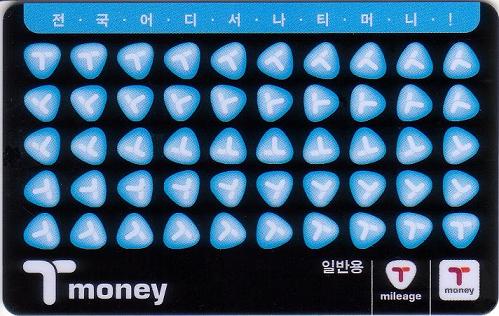
Where to buy one
The easiest place to buy a t-money-card-in-korea">T-money card is a convenience store such as CU, GS25, 7-Eleven, or Emart24. Airports and subway stations may also sell transit cards, but convenience stores are often simpler because staff are used to tourists asking for them. Some cards are plain and practical; others are character or special-design cards.
Treat the card price as separate from the travel balance you load onto it.
What I Would Do First
A t-money-card-in-korea">T-money card is the simplest way for most visitors to pay for subways and buses in Korea. Buy one at a convenience store, airport counter, or station area, add balance, and tap it on the reader when entering and exiting. The important detail is that the physical card cost and the stored balance are separate.
The card itself is usually treated like a purchase, while unused balance may be refundable depending on amount and location. If you use an unregistered physical card and lose it, you should not expect the balance to be recoverable. Load modest amounts and top up when needed.
Before You Try It
- Visitor friction: the hard part is usually knowing which visible clue to trust first for how to use T-money card in Korea.
- Local cue: At stations and airport areas, compare the sign, platform direction, exit number, reader, and staffed counter before committing.
- Fallback move: if the first option fails, switch to a staffed counter, larger store, station area, or official app instead of guessing.
- Editorial mode: step-walkthrough.
Local Tips Worth Knowing
These are practical patterns that often come up in Korean local guides and traveler discussions, rewritten for visitors instead of copied from any one source.
- Use Naver Map or KakaoMap for station exits and bus arrival details; Google Maps is better as a backup reference than as the main Korea transit app.
- Check the exit number before leaving a large subway station. The wrong exit can add a long walk even when you arrived at the correct station.
- On buses, tap your transit card when getting off as well as when boarding. Missing the exit tap can affect transfer handling.
- Keep some Korean won available for transit card top-ups because foreign-card support can vary by machine, station, and store.
How to top it up
For visitors, cash top-up is still the safest assumption. At a convenience store, hand the card to the cashier and say how much you want to add. At many subway stations, recharge machines can also add balance.
Foreign card support can vary by machine, station, and provider, so do not build your plan around card-only recharging. Keep some Korean won available for transport even if you mostly use cards elsewhere.
What This Looks Like
T-money do and don't
Top up modest amounts
AvoidLoading a large balance at once
ReasonLost unregistered cards may not be recoverable
Keep some KRW cash
AvoidAssuming every top-up accepts foreign cards
ReasonCash remains the most reliable fallback
Tap in and out carefully
AvoidRushing through gates or bus readers
ReasonMissed taps can cause fare problems
Separate card cost from balance
AvoidAssuming the whole purchase is refundable
ReasonThe card and stored value are treated differently
How to use it correctly
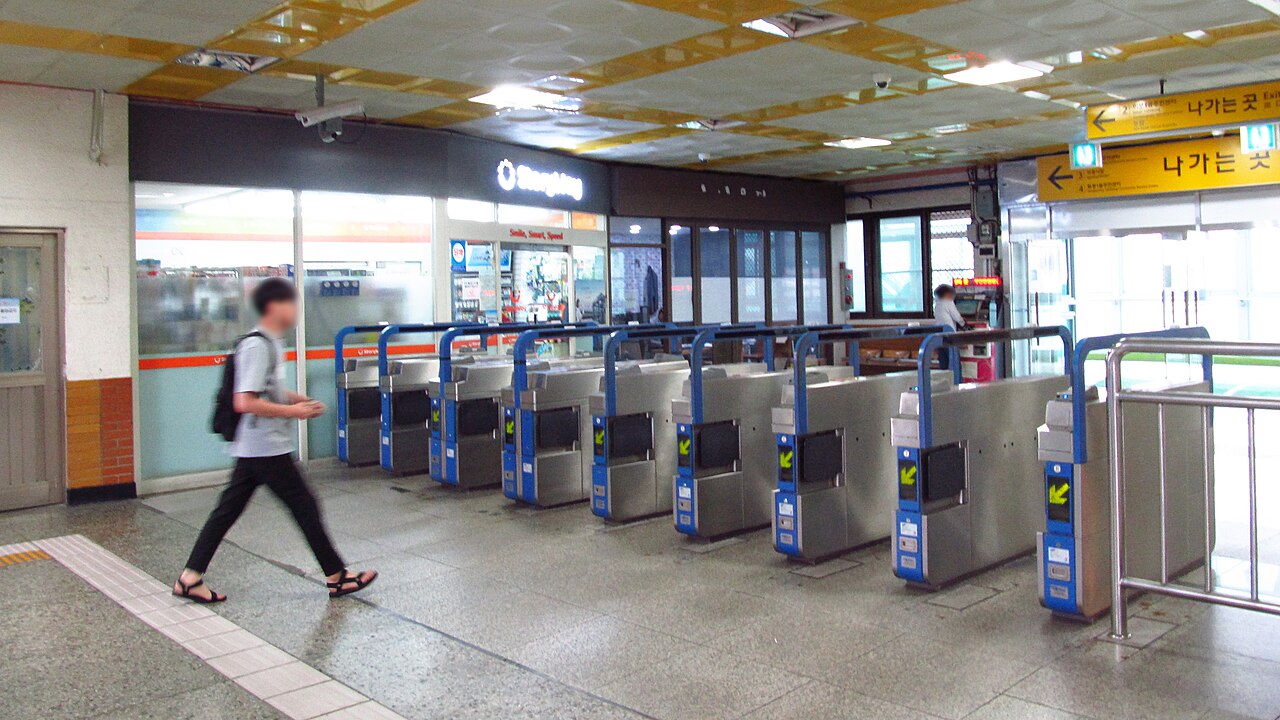
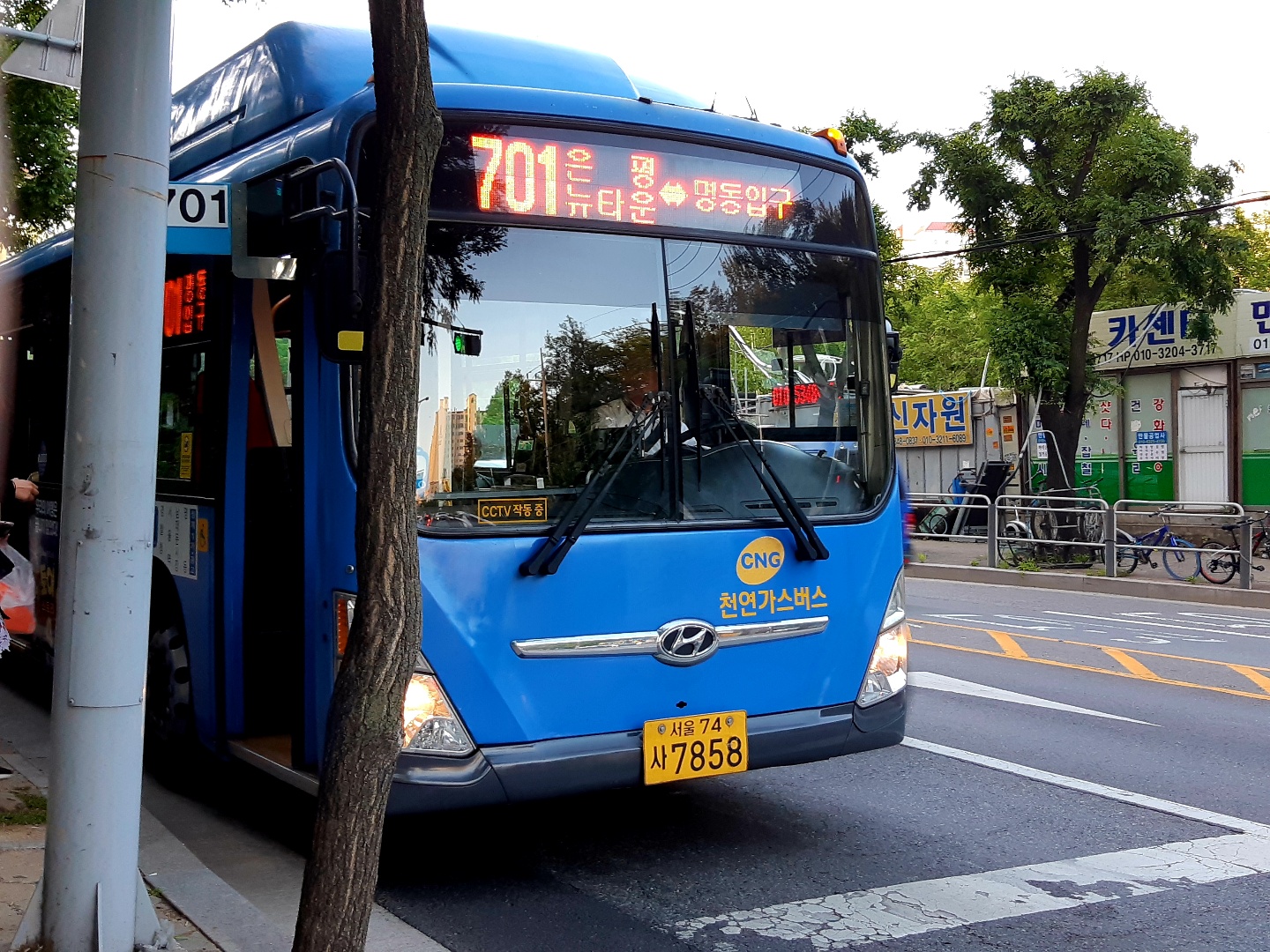
Tap the card on the reader when entering subway gates and again when leaving. On buses, tap when boarding and follow local tap-out rules shown on the vehicle or reader. If a tap fails, pause and try again instead of pushing through.
A failed or missed tap can create fare confusion, especially when transferring between subway and bus. Keep the card somewhere easy to reach, not buried in a wallet full of other contactless cards.
Before you rely on T-money
- Buy the card from a convenience store, airport counter, or station area.
- Add only the balance you expect to use in the near term.
- Keep Korean won cash for recharging when card payment is not accepted.
- Tap carefully when entering and exiting subway gates.
- Check refund rules before leaving Korea if you have unused balance.
Refunds and lost cards
Unused balance may be refundable, but refund rules depend on amount, card type, and refund location. Convenience stores may handle small remaining balances, while larger amounts may require a station office or service desk. The physical card purchase cost may not be refundable.
The most important safety rule is simple: if your card is an unregistered tourist card, do not load more balance than you are comfortable losing.
Reader Questions
Can tourists use T-money without a Korean bank account?
Yes. A physical T-money card can be bought and used by visitors without a Korean bank account. The challenge is not buying the card, but knowing where and how to recharge it reliably during the trip.
Can I recover the balance if I lose the card?
Do not count on it for a normal unregistered physical tourist card. Treat the balance like cash stored on the card. Load modest amounts and recharge as needed instead of carrying a large unused balance.
Is T-money only for Seoul?
T-money is widely useful, especially in major cities and public transport systems, but coverage can vary by region and service. If you are traveling outside major routes, check whether the local bus or transit provider accepts it.
Related Guides
Questions about this guide?
If something is unclear or you want a Korea-specific answer, leave a question. Public answers can be added after review.