
Best Short Answer
To recharge a T‑money card in Korea, first decide where you’ll be most often—subway stations, convenience stores, or a mobile app. At a subway station, locate the ticket vending machines, tap your card, select the amount, and confirm; the machine prints a receipt and updates the balance instantly. Convenience stores accept cash and credit cards; hand the card to the clerk, state the amount, and they will top it up for you.
Mobile apps require a Korean phone number and a linked bank account, but they let you add money without leaving your hotel. Choose the method that fits your schedule, payment preference, and language comfort. Remember that you must also tap out when leaving a bus or subway to ensure correct transfer discounts, a habit many first‑timers overlook.
Comparison Table
Station vending machines – immediate balance update, cash-friendly, but can be crowded during peak hours.
Convenience stores – staff assistance and English support, accepts cash and cards, but may charge a small service fee.
Mobile apps – widely available top‑up, auto‑recharge options, requires Korean phone number and may have language barriers.
Picking a Recharge Location That Matches Your Itinerary
Identify the places you’ll visit most often and match them with the nearest recharge options. If your daily route relies on subway lines, station vending machines are the quickest because they are open from early morning until late night and accept cash and cards. Travelers staying near a convenience store chain such as GS25 or CU will find 24‑hour service and staff who can handle the top‑up in English, which reduces language friction.
For tech‑savvy visitors who have a Korean SIM, mobile apps like KakaoPay let you recharge from your phone, but they require a Korean bank account or a prepaid card linked to a local number. Weigh the convenience of proximity, language support, and payment method before committing to a single method.
Before You Try It
- Visitor friction: the hard part is usually knowing which visible clue to trust first for how to recharge T-money card in Korea.
- Local cue: At stations and airport areas, compare the sign, platform direction, exit number, reader, and staffed counter before committing.
- Fallback move: if the first option fails, switch to a staffed counter, larger store, station area, or official app instead of guessing.
- Editorial mode: step-walkthrough.
Local Tips Worth Knowing
These are practical patterns that often come up in Korean local guides and traveler discussions, rewritten for visitors instead of copied from any one source.
- Use Naver Map or KakaoMap for station exits and bus arrival details; Google Maps is better as a backup reference than as the main Korea transit app.
- Check the exit number before leaving a large subway station. The wrong exit can add a long walk even when you arrived at the correct station.
- On buses, tap your transit card when getting off as well as when boarding. Missing the exit tap can affect transfer handling.
- Keep some Korean won available for transit card top-ups because foreign-card support can vary by machine, station, and store.
Visual Guide
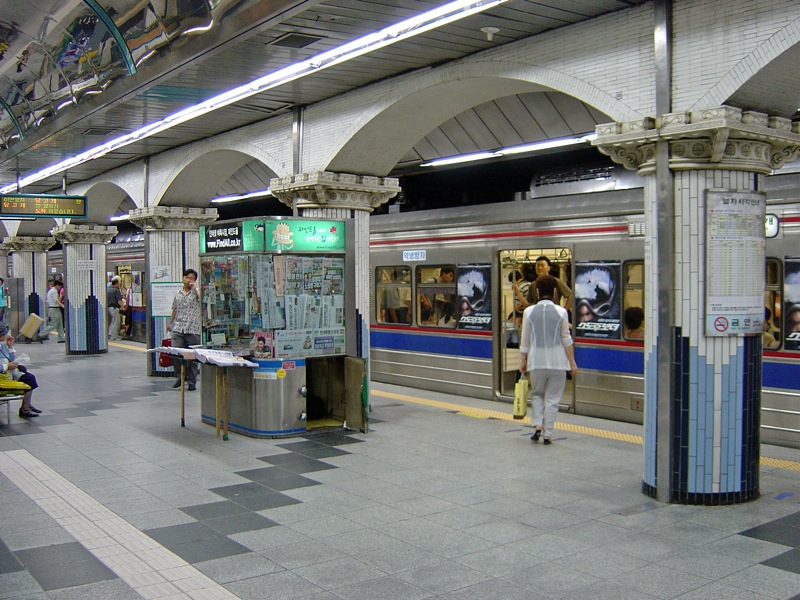
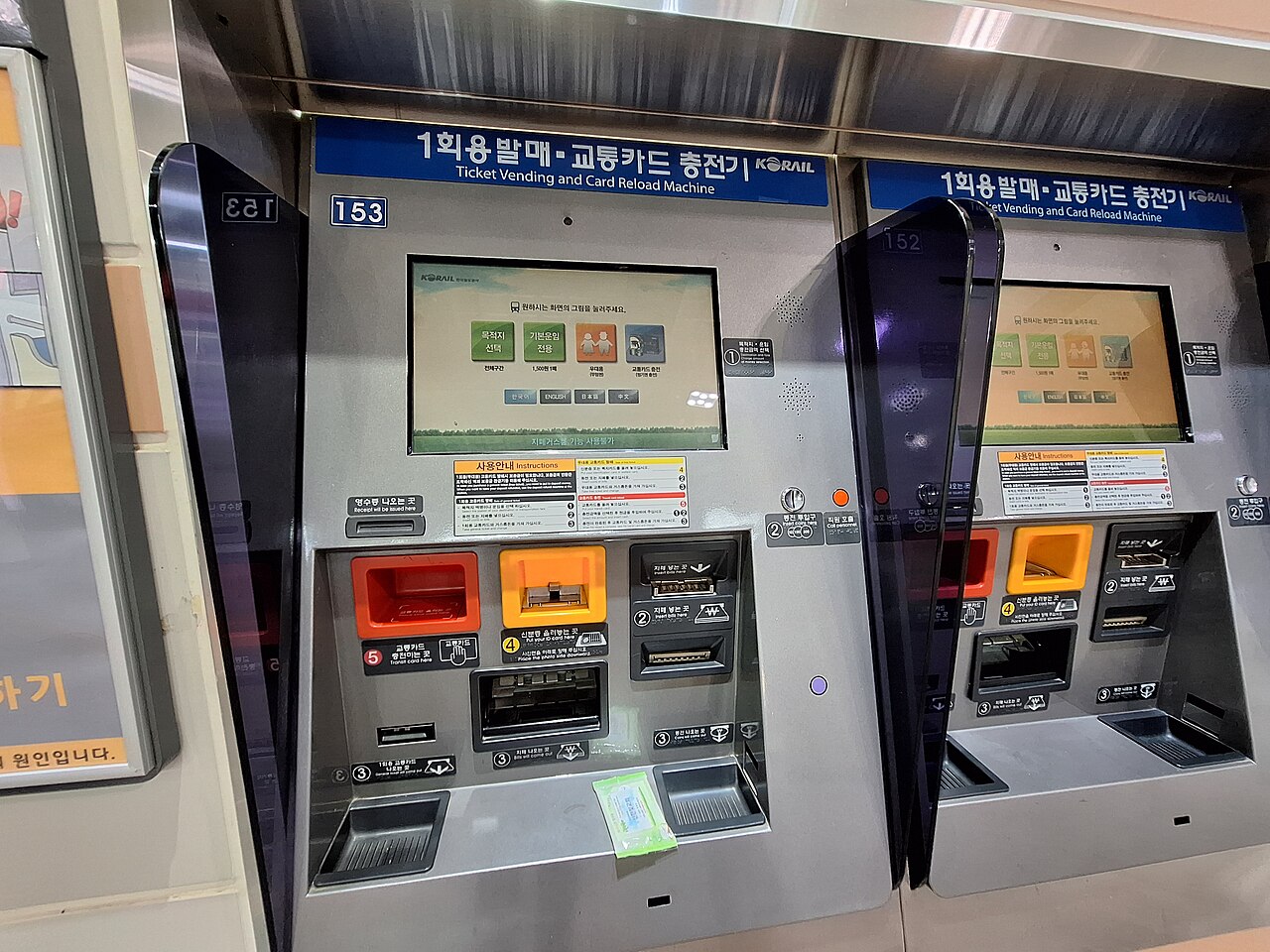
Reloading at a Subway Station: Exact Actions and Timing
When you enter a subway station, head straight to the ticket vending machines located near the turnstiles. Insert cash or swipe a credit card, then tap your T‑money card on the sensor. Choose a preset amount (e.g., a changing local price) or enter a custom value, and press confirm.
The machine will display the new balance and issue a receipt; keep the receipt until the balance updates on the card reader. If the machine shows an error, try another machine or ask a station attendant—many stations have English‑speaking staff during peak hours. Remember that machines may be crowded during rush hour, so allow a few extra minutes.
This step‑by‑step process eliminates guesswork and ensures the card is ready for immediate travel.
Before You Decide
- Identify the most convenient recharge point based on your daily travel route.
- Carry small denominations of Korean won for cash top‑ups at stations or stores.
- Test the tap‑in and tap‑out process on a single ride to confirm the card records correctly.
- If using a mobile app, verify that your payment method is linked before you need a refill.
- Note the receipt or app confirmation after each top‑up to ensure the balance matches.
Top‑Up via Convenience Stores or Mobile Apps – What to Watch For
At a convenience store, simply hand your T‑money card to the clerk and state the amount you want to add. The clerk will input the amount, confirm the transaction on the screen, and return the card with the updated balance. Most stores accept both cash and foreign credit cards, but some may decline cards without a chip‑and‑pin.
Mobile apps require you to download the official T‑money app or a partner service, register with a Korean phone number, and link a payment method. The app will show real‑time balance and let you set auto‑top‑up thresholds, which is handy for long stays. However, be aware that app interfaces are primarily Korean; using a translation tool can prevent mis‑selection of amounts.
Choose the channel that aligns with your comfort level in handling cash, cards, or digital tools.
First‑Timer Friction: Missed Exit Tap and Transfer Rules
A common stumbling block for newcomers is forgetting to tap the T‑money card when exiting a bus or subway. Korea’s transit system calculates transfer discounts only when both the entry and exit taps are recorded. If you miss the exit tap, you may be charged a full fare for the next ride, which can quickly add up.
To avoid this, develop the habit of tapping the card on the sensor at every door—both when you board and when you alight. Look for the green LED indicator that confirms a successful tap. This local behavior cue is subtle but essential for keeping travel costs low and preventing surprise charges on your itinerary.
FAQ
Can I use a foreign credit card at a T‑money vending machine?
Many vending machines accept major foreign cards, but some only work with Korean‑issued cards. If your card is declined, try a nearby convenience store or bring cash as a backup.
Do I need to register my T‑money card to use it on buses?
No registration is required for basic travel; however, registering online can help you recover a lost card and view transaction history.
What should I do if the balance on my card doesn't change after a top‑up?
First, check the receipt or app confirmation for the transaction ID. If the issue persists, visit a station attendant or store clerk with the receipt; they can reprocess the top‑up or issue a refund.
Related Guides
Questions about this guide?
If something is unclear or you want a Korea-specific answer, leave a question. Public answers can be added after review.