Quick Answer
When you sit down at a Korean restaurant, first glance at the table for a bell, QR code, or printed menu. If there’s a bell, ring it to summon staff; if a QR code appears, scan it with your phone to view the menu and place an order digitally. In casual places, pointing at a photo on the menu or using short Korean phrases like “덜 매워요” (less spicy) works well.
Always have some Korean won on hand because small stalls may not accept foreign cards. Side dishes (반찬) are usually free and refillable—watch locals to see if refills are offered. When the bill arrives, pay at the counter or through the ordering screen depending on the restaurant.
Tipping is not customary in Korea, and leaving extra cash on the table can confuse staff.
Getting Ready: What to Bring Before You Order
Before you step into a Korean eatery, make sure you have a few essentials that smooth the ordering process. Carry a modest amount of Korean won, as many street vendors and small restaurants only accept cash. Download a translation app or memorize a handful of key food phrases—"불고기 주세요" (please give me bulgogi), "덜 맵게" (less spicy), and "포장해 주세요" (to go).
If you plan to use QR‑code menus, ensure your phone can scan QR codes and that you have a data connection or a local SIM. Some local mobile payment apps are common, but visitors should not rely on them unless they already know their account works in Korea. Having these basics ready means you won’t be caught off‑guard when the server arrives or when you need to signal your order.
Comparison Table
| Ordering method | How it works | Best situation |
|---|---|---|
| Table Bell | Ring the bell on your table to summon staff; they’ll take your order verbally. | Traditional sit‑down restaurants, especially those without digital menus. |
| QR‑Code Menu | Scan the QR code, browse dishes on your phone, select items, and pay directly. | Modern cafés, fast‑casual spots, and places where you prefer contact‑less service. |
| Photo Menu Pointing | Point at a printed photo or say the dish name; staff confirms your choice. | Street food stalls, small markets, and casual eateries without bells or QR codes. |
How Korean Restaurants Take Orders
Korean dining spots use three common ordering systems. First, the traditional table bell: a small metal bell on the table that you ring to call staff. Second, QR‑code ordering: a printed QR code on the table or menu; scanning it opens a digital menu where you can select dishes and pay directly from your phone.
Third, the classic printed menu with photos; in casual places you can simply point at the picture you want. Observe the table: if there’s a bell, use it; if a QR code is displayed, scan it; otherwise, be ready to point or use a short Korean phrase. Staff will usually confirm your order by repeating it back, giving you a chance to correct any misunderstandings before the kitchen starts cooking.
Local Tips Worth Knowing
These are practical patterns that often come up in Korean local guides and traveler discussions, rewritten for visitors instead of copied from any one source.
- Many restaurants use table bells, QR ordering, or self-service water and utensils, so look around before assuming staff will come automatically.
- Pointing at menu photos is normal in casual restaurants and markets; short phrases like 'less spicy' and 'to go' solve many ordering problems.
- Small market stalls may be inconsistent with foreign cards, so carry some Korean won when trying street food.
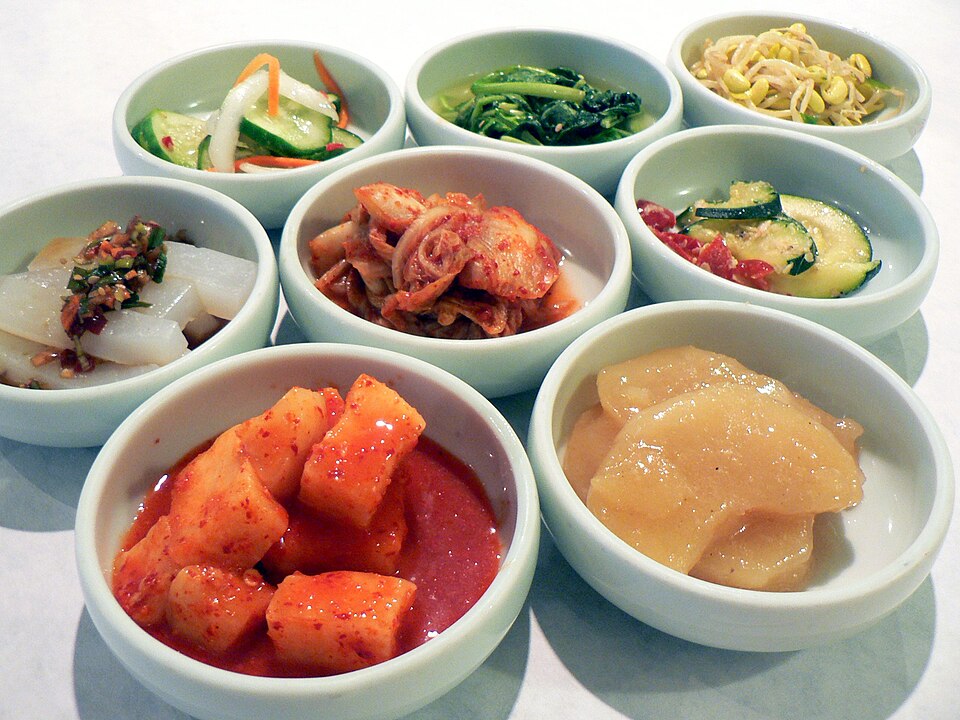
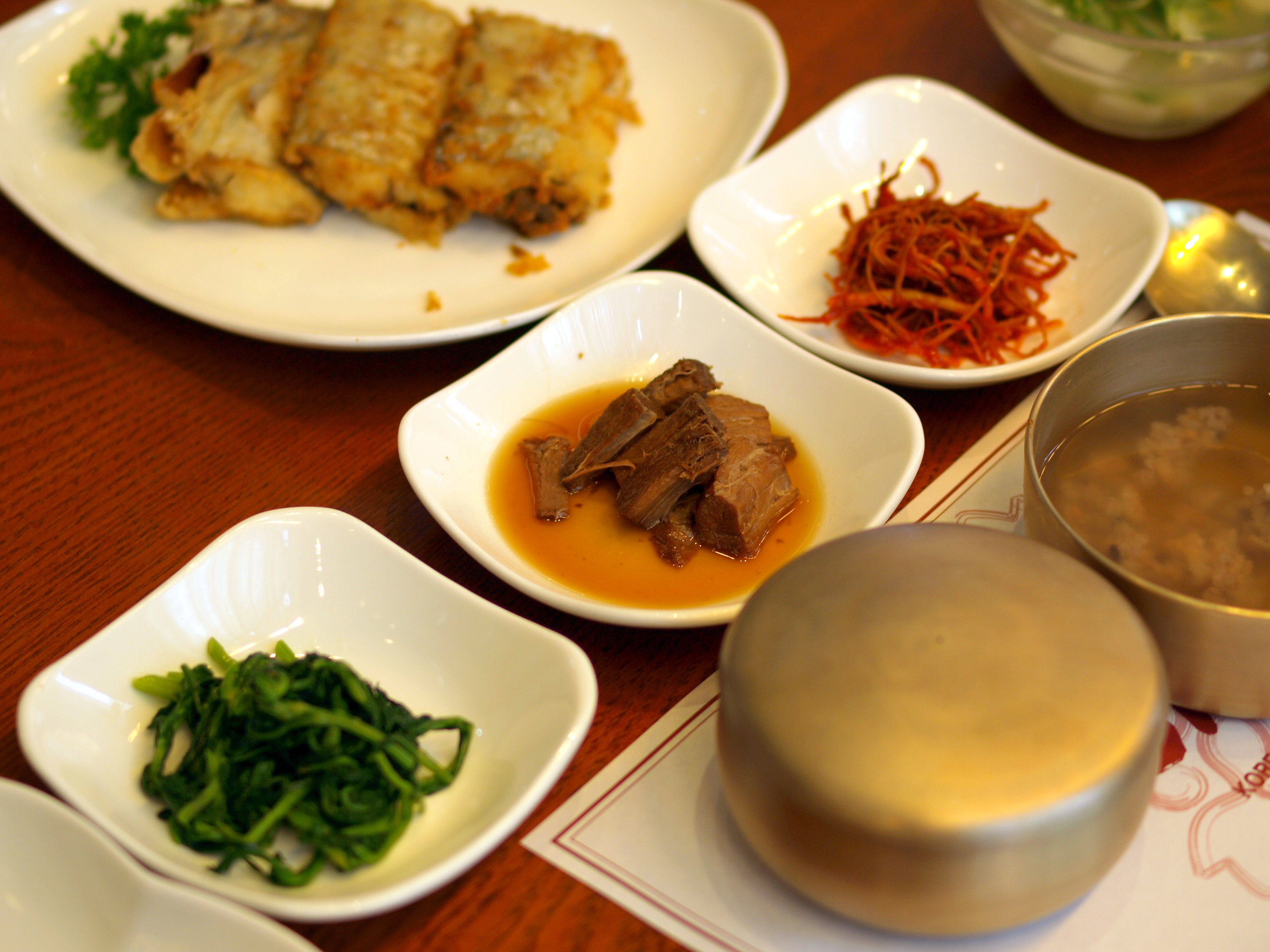
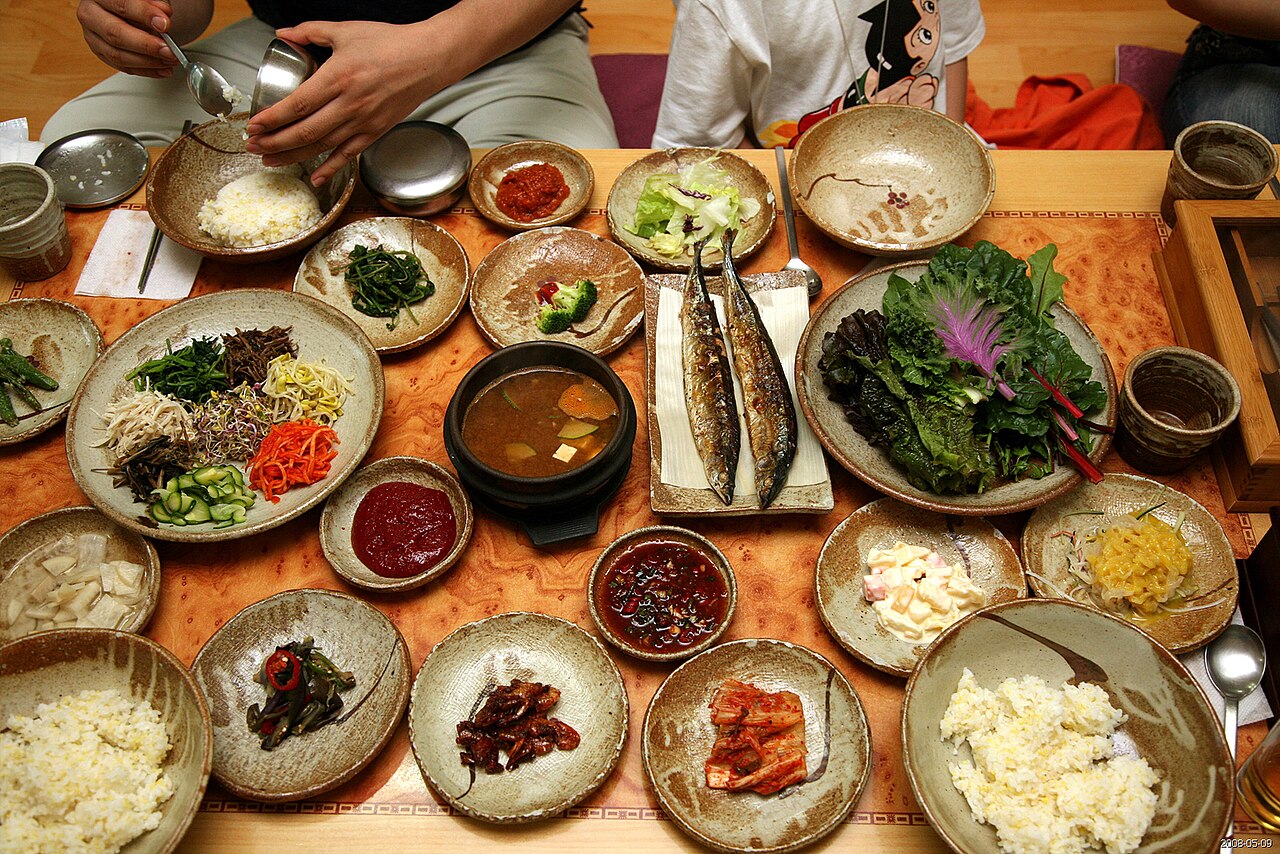
- Side dishes are often refillable, but the custom depends on the restaurant; watch what local customers do before asking.
Visual Guide
Communicating Your Preferences Clearly
Korean cuisine can be spicy, sweet, or savory, and many dishes can be customized. When you want less heat, say "덜 맵게" (less spicy) or "안 매워요" (not spicy). If you have dietary restrictions, use "채식" (vegetarian) or "알레르기 있어요" (I have an allergy) followed by the ingredient.
For portion size, "작게 주세요" (small portion, please) works well. When you want your meal to go, say "포장해 주세요". In markets or street stalls where the staff may not speak English, pointing at the photo and adding a short phrase helps avoid confusion.
Watching how locals order can also give you clues about typical portion sizes and side‑dish expectations.
Checklist
- Learn and practice 5 basic Korean food phrases.
- Carry a small cash reserve for markets, stalls, and card problems.
- Check the table for a bell or QR code before ordering.
- Observe local diners to see if side‑dish refills are offered.
- Confirm the restaurant accepts your preferred payment method.
Paying without making it awkward
When the meal is finished, many Korean restaurants expect you to pay at the front counter rather than at the table. Larger restaurants usually accept cards, while markets and small stalls can still be easier with cash. If you used a QR ordering system, check whether payment was completed in the app or whether you still need to pay at the counter.
Tipping is not customary in Korea. Do not leave extra cash on the table unless the business clearly instructs you to do so, because staff may think you forgot your money.
FAQ
How can I order without speaking Korean at a busy market stall?
Most market stalls display photos of each dish. Point at the picture you want, then add a short phrase like "덜 매워요" if you prefer less spice. Staff usually repeat the order back, giving you a chance to confirm. Having a few cash notes ready speeds up the transaction.
Can I use a foreign card when ordering with a QR menu?
Sometimes, but do not assume every QR ordering flow accepts foreign cards. Check the payment screen before submitting the order, and keep cash or a staffed counter payment option as a backup.
Is it normal to ask for a refill of side dishes, and how should I do it?
Side dishes (반찬) are usually free and may be refilled. Watch how Korean diners signal a refill—often by raising the empty dish or politely calling the staff with the table bell. If you’re unsure, a simple "리필 주세요" (please refill) works well.
Related Guides
Questions about this guide?
If something is unclear or you want a Korea-specific answer, leave a question. Public answers can be added after review.