
Quick Answer
For dry skin, the best Korean skincare routine is not the longest routine. It is the one that adds water, seals it in, and avoids irritating the skin barrier. Look for humectants such as glycerin and hyaluronic acid, barrier-supporting ingredients such as ceramides, and calming ingredients such as panthenol or centella.
Use a gentle cleanser, a hydrating toner or essence if your skin likes it, then a moisturizer that actually leaves your skin comfortable. Sunscreen still matters during the day. Avoid building a routine around too many exfoliants, fragrance-heavy products, or trendy actives before your skin barrier is stable.
Dry skin usually needs barrier support
Dry skin often feels tight, flaky, rough, or uncomfortable after cleansing. In K-beauty marketing, products may promise glow, glass skin, or deep hydration, but the practical question is simpler: does the product help your skin hold moisture without irritation? A good dry-skin routine usually combines water-attracting ingredients with a moisturizer that reduces moisture loss.
If your skin stings easily, simplify the routine before adding new serums or exfoliants.
Dry-skin ingredient cheat sheet
| Ingredient type | Examples | Role in routine |
|---|---|---|
| Humectants | Glycerin, hyaluronic acid | Pull water into the skin surface |
| Barrier support | Ceramides, cholesterol-like lipids | Help reduce moisture loss |
| Soothing agents | Panthenol, centella, beta-glucan | Calm dryness-related discomfort |
| Occlusive/emollient support | Creams, oils, richer moisturizers | Seal hydration and soften rough texture |
Ingredients worth looking for
Glycerin and hyaluronic acid are useful humectants because they help draw water into the surface layers of skin. Ceramides are useful because they support the skin barrier. Panthenol, centella, beta-glucan, and similar calming ingredients can be helpful if dryness comes with sensitivity.
The exact product matters less than the ingredient role. A hydrating toner alone may feel nice but may not be enough; a rich moisturizer alone may feel heavy but still work better when layered over hydration.
A simple routine order
Start with a gentle cleanser that does not leave your face squeaky or tight. After cleansing, apply a hydrating toner, essence, or serum while the skin is slightly damp if that suits your skin. Follow with a moisturizer that contains barrier-supporting or emollient ingredients.
In the morning, finish with sunscreen. At night, focus on comfort and recovery rather than adding every active ingredient you own.
Local Tips Worth Knowing
These are practical patterns that often come up in Korean local guides and traveler discussions, rewritten for visitors instead of copied from any one source.
- Patch test new skincare first, especially if you are buying unfamiliar K-beauty products during a short trip.
- For dry or irritated skin, fix cleanser and moisturizer basics before adding exfoliants, retinoids, or strong actives.
- Olive Young staff and shelf rankings can help narrow choices, but ingredient role matters more than viral popularity.
- Travel weather matters: winter heating, summer humidity, and long flights can change how heavy a product feels.
Visual Guide
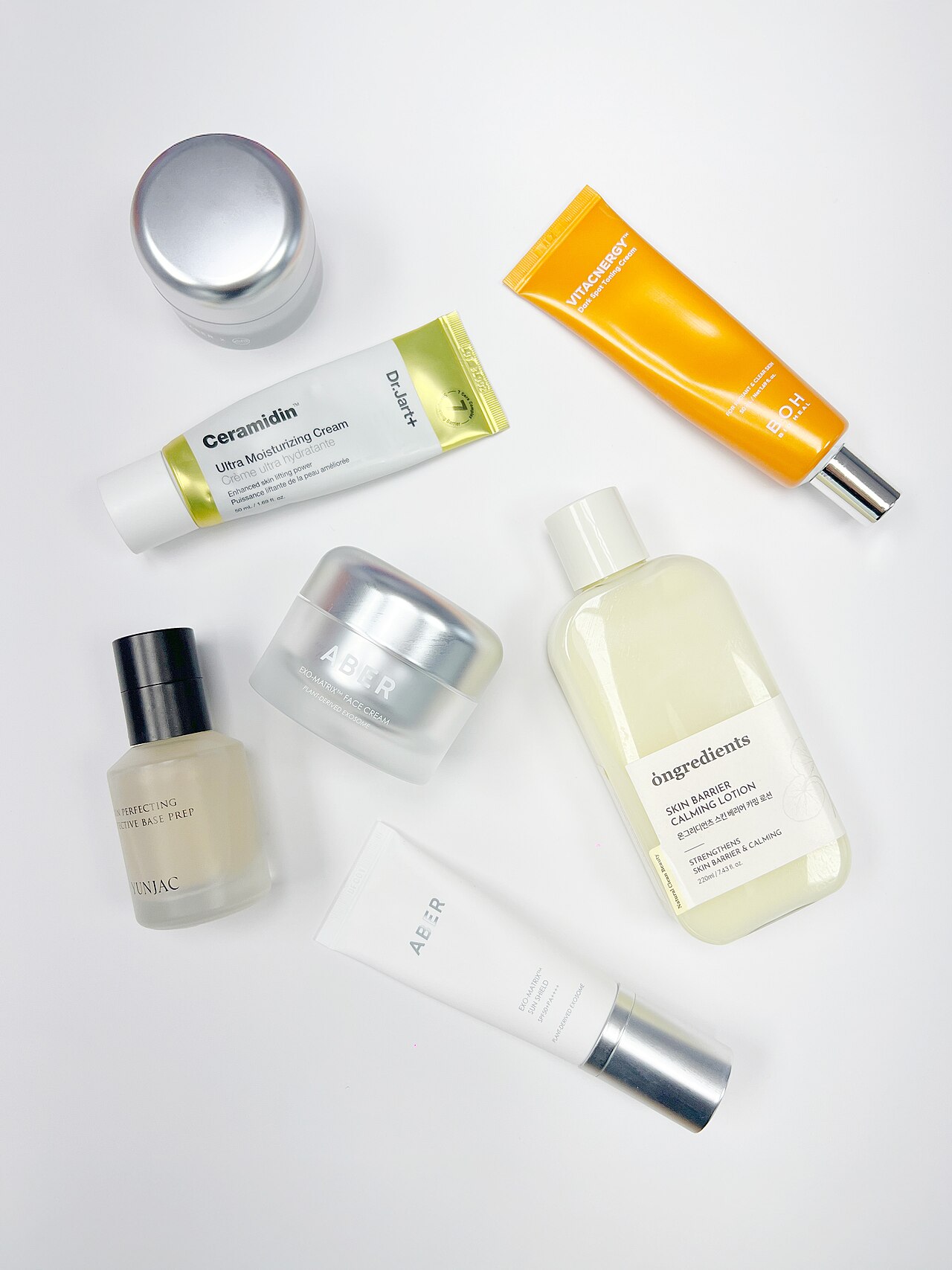
What to avoid when your skin is already dry
Avoid stacking too many exfoliating acids, retinoids, vitamin C products, or strong masks while your skin is irritated. Also be cautious with heavily fragranced products if your skin reacts easily. Patch testing is boring but useful: try a new product on a small area first, especially if you have sensitive skin.
If dryness is severe, painful, cracked, or persistent, skincare shopping is not the right first step; get professional medical advice.
Before buying another product
- Check whether your cleanser leaves your skin tight.
- Choose one hydration step and one moisturizer before adding extras.
- Look for barrier-supporting ingredients if your skin feels rough or sensitive.
- Avoid adding exfoliants while your skin is already irritated.
- Patch test new products before using them on your whole face.
FAQ
Do I need a 10-step Korean skincare routine for dry skin?
No. A simple routine with a gentle cleanser, hydration step, moisturizer, and sunscreen can be better than a long routine. Add steps only when each product has a clear job and your skin tolerates it.
Are hyaluronic acid products enough for dry skin?
Often not by themselves. Hyaluronic acid can help with hydration, but dry skin usually also needs a moisturizer or barrier-supporting product to reduce moisture loss. Think hydration plus sealing, not hydration alone.
When should I stop experimenting and see a professional?
If dryness is painful, cracked, inflamed, spreading, or not improving, stop chasing product recommendations and seek medical advice. Cosmetic skincare guides are not a substitute for diagnosis or treatment.
Related Guides
Questions about this guide?
If something is unclear or you want a Korea-specific answer, leave a question. Public answers can be added after review.