Quick Answer
When you need to store bags at a Seoul subway station, first look for the locker zone—usually marked by a blue ‘L’ icon near the main concourse or a staffed information desk. Choose a locker size that fits your luggage, then pay using a T‑money card, cash, or the station’s mobile QR code; the machine will issue a receipt with a numeric code. Hang the code on the locker door, close it, and keep the receipt safe.
To retrieve, re‑enter the code on the keypad. If the locker you want is full, head to the nearest convenience store’s bag‑check counter or ask staff about a luggage‑carriage trolley. Remember that some stations require payment before the locker opens, while others let you pay after locking, so read the on‑screen prompts carefully.
Locating the Locker Zone After You Exit the Turnstiles
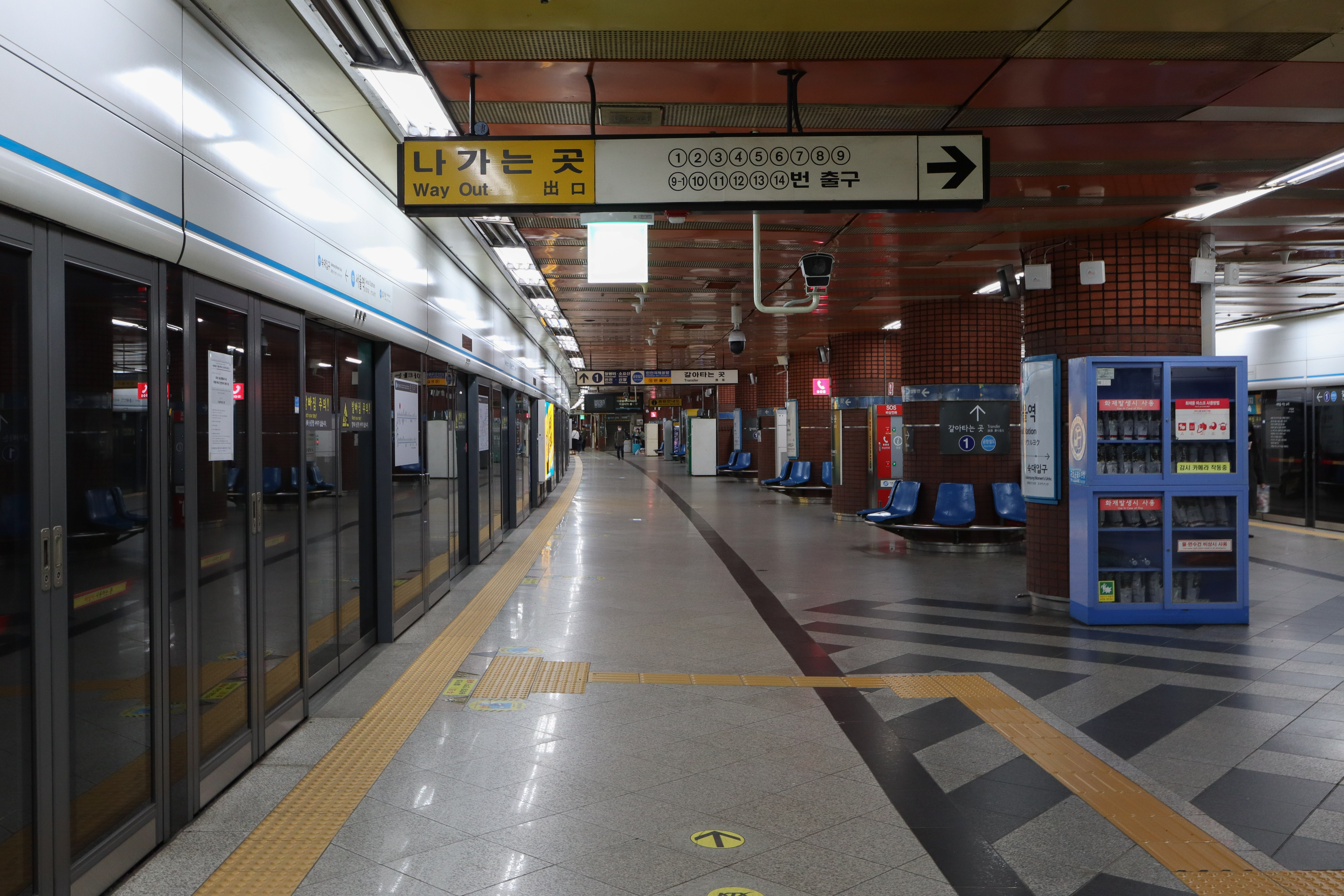
When you step out of the turnstiles, follow the overhead signs that display a blue ‘L’ icon alongside the word “Lockers.” In busy stations like Seoul, Hongik University, or Myeongdong, the locker area is often positioned near the main exits or adjacent to the information desk. Walk straight ahead and look for a row of metal cabinets with transparent doors; the size of each compartment is indicated by a small diagram. If you cannot spot the signs, ask a staff member at the nearest service counter—most will speak basic English and can point you in the right direction.
A common snag is mistaking the nearby shoe‑polishing booths for lockers; those lack numeric keypads and will waste your time. Knowing that locals tend to queue at the counter with the blue ‘L’ icon helps you avoid this confusion.
Local Tips Worth Knowing
These are practical patterns that often come up in Korean local guides and traveler discussions, rewritten for visitors instead of copied from any one source.
- When unsure, observe the local flow first: where people queue, where they return trays, and whether payment happens before or after service.
- Do not treat one viral social post as a rule. Korea has strong local patterns, but details vary by neighborhood, chain, and season.
- Keep screenshots of addresses, booking details, and Korean names because they are useful when asking staff for help.
Selecting Locker Size and Deciding on a Payment Method
Lockers come in three standard sizes: small (up to 30 cm), medium (up to 55 cm), and large (up to 80 cm). Measure your suitcase or backpack and match it to the size label on the cabinet. Payment options include tapping a T‑money card, inserting cash (usually a changing local price increments), or scanning a QR code with a Korean mobile payment app.
T‑money is the fastest: tap, select the locker size, and the machine locks automatically, printing a receipt with a four‑digit code. Cash requires you to input the amount, then the machine dispenses a ticket that you insert into the locker door. Mobile QR codes work similarly to cash but need a Korean‑registered payment app.
The main risk is selecting a size that’s too small, which will trigger an error message and force you to choose a larger compartment, possibly at a higher price.
Visual Guide
Locking Your Bags and Securing the Receipt
Once you’ve paid, the machine will open the chosen locker. Place your luggage inside, close the door, and press the keypad to enter the four‑digit code from your receipt. The locker will click shut and display a green light, confirming it’s locked.
Keep the receipt in a safe place—ideally in a pocket separate from your wallet—to avoid losing the code. A typical mistake is forgetting to press the “Enter” button after typing the code; the locker will remain open, and the system may consider the transaction incomplete, leading to a charge for a new locker. If the machine flashes red after you enter the code, double‑check the digits; a single transposition will prevent the lock from engaging.
Retrieving Your Luggage and Handling Full‑Locker Scenarios
When you’re ready to collect your bags, return to the same locker and re‑enter the four‑digit code. The door will unlock, and you can retrieve your items. If you’ve misplaced the receipt, ask a staff member for assistance; they can look up your transaction using the payment method and time stamp, though this may take a few minutes.
In peak travel periods, especially during holidays, lockers can fill up quickly. If you find no available lockers of the size you need, head to the nearest convenience store (e.g., CU or GS25) and ask about their “bag‑check” service, which stores bags for a fee and provides a receipt. Alternatively, many major stations operate a luggage‑carriage trolley that can be booked on the spot for a few hours.
These fallback options ensure you’re not stranded with heavy bags while exploring the city.
Comparison Table
| Payment Method | Speed of Use | Typical Cost per Day (KRW) | Best For |
|---|---|---|---|
| T‑money card tap | Instant – no button presses after tap | 2,000‑3,000 | Travelers who already have a T‑money card and want the quickest transaction |
| Cash (coins or notes) | Medium – requires amount entry and ticket insertion | 2,500‑3,500 | Visitors without a T‑money card or those who prefer cash |
| Mobile QR code | Fast – scan and confirm on screen | 2,000‑3,000 | Tech‑savvy travelers with a Korean‑registered payment app |
Checklist
- Identify the locker zone by spotting the blue ‘L’ icon near the station exit.
- Measure your luggage and choose the appropriate locker size.
- Decide between T‑money, cash, or mobile QR payment before approaching a locker.
- Keep the receipt with the four‑digit code in a separate pocket.
- If lockers are full, locate the nearest convenience store’s bag‑check service or ask staff about a luggage‑carriage trolley.
FAQ
What should I do if the locker I want is already occupied?
Look for the next available size in the same row; if none are free, head to a nearby convenience store’s bag‑check counter or ask station staff about a luggage‑carriage trolley, which can be booked on the spot.
Can I use a foreign credit card to pay for a locker?
Most locker machines accept only T‑money cards, cash, or Korean mobile payment apps. A foreign credit card will not work, so bring cash or obtain a T‑money card beforehand.
Is there a time limit for how long I can keep my bag in a locker?
Lockers are typically rented in 24‑hour increments; you can extend the rental by paying additional fees at the machine before the lock expires. Overstaying may result in a penalty or the locker being locked permanently.
Related Guides
Questions about this guide?
If something is unclear or you want a Korea-specific answer, leave a question. Public answers can be added after review.