Best Short Answer
For most visitors, the easiest way to use Seoul’s subway-to-bus-in-seoul">subway is to plan the route in Naver Map or KakaoMap, pay with a rechargeable transit card, and check the exit number before leaving the station. Google Maps is useful for browsing, but local apps usually handle Korean transit routes, transfers, and walking directions better. Once inside a station, follow the line color, destination direction, and transfer signs rather than only the platform number.
The most common beginner mistake is arriving at the correct station but leaving through the wrong exit, which can put you several blocks away from your destination.
Subway decisions that actually matter
First ride in Seoul
Best moveUse Naver Map or KakaoMap and follow the exit number
Why it helpsIt avoids the most common wrong-exit mistake
Several rides in one trip
Best moveUse a rechargeable transit card
Why it helpsIt is faster than buying single tickets repeatedly
Large transfer station
Best moveFollow color-coded transfer signs and destination direction
Why it helpsIt prevents boarding the train going the opposite way
Important appointment
Best moveCheck service notices and leave buffer time
Why it helpsCrowds, station size, and transfers can add friction
Start with the route, not the line number
Seoul’s subway-to-bus-in-seoul">subway is easy once you stop trying to memorize the whole map. Put your exact destination into Naver Map or KakaoMap and look at three things: the line color, the transfer station, and the exit number. Station names are shown in Korean and English, but large stations can have many exits and long underground passages.
If you are going to a cafe, hotel, clinic, market, or tourist site, the exit number often matters more than the station name itself. Save the Korean name of your destination as well, because it helps if you need to ask station staff or compare signs inside the station.
Before You Try It
- Visitor friction: the hard part is usually knowing which visible clue to trust first for how to use subway in Seoul.
- Local cue: At stations and airport areas, compare the sign, platform direction, exit number, reader, and staffed counter before committing.
- Fallback move: if the first option fails, switch to a staffed counter, larger store, station area, or official app instead of guessing.
- Editorial mode: step-walkthrough.
Local Tips Worth Knowing
These are practical patterns that often come up in Korean local guides and traveler discussions, rewritten for visitors instead of copied from any one source.
- Use Naver Map or KakaoMap for station exits and bus arrival details; Google Maps is better as a backup reference than as the main Korea transit app.
- Check the exit number before leaving a large subway station. The wrong exit can add a long walk even when you arrived at the correct station.
- On buses, tap your transit card when getting off as well as when boarding. Missing the exit tap can affect transfer handling.
- Keep some Korean won available for transit card top-ups because foreign-card support can vary by machine, station, and store.
Visual Guide
Paying is easier with a transit card
A rechargeable transit card is usually the least annoying option if you will ride more than once. You tap when entering and exiting subway-to-bus-in-seoul">subway gates, and the same card can usually be used on buses and many taxis. Single-journey tickets work, but they are slower because you have to buy a ticket for each ride and handle the deposit/refund process.
Keep a small cash reserve because some recharge situations are still easier with Korean won, especially for visitors using foreign cards.
Before your first subway ride
- Install Naver Map or KakaoMap before leaving your hotel.
- Save your destination in both English and Korean if possible.
- Check the station exit number, not only the station name.
- Keep enough balance on your transit card before entering the gate.
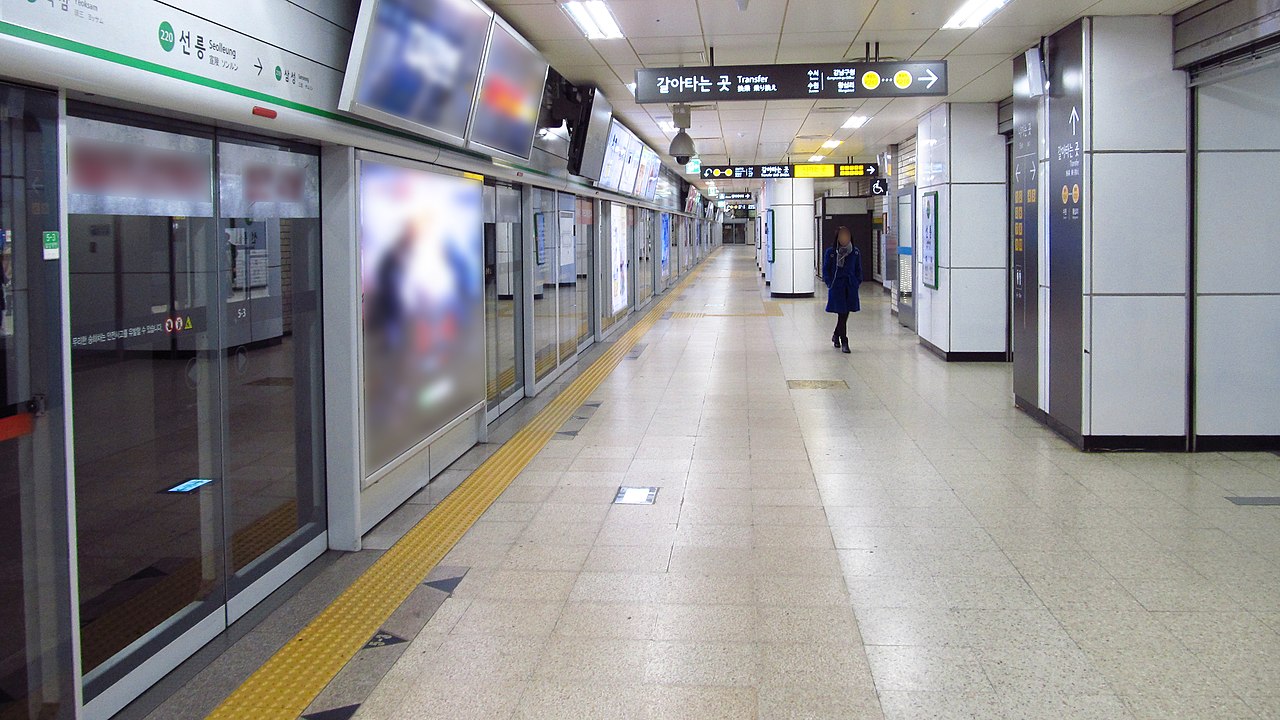
- Use transfer signs by line color and destination direction.
Transfers and exits are where people mess up
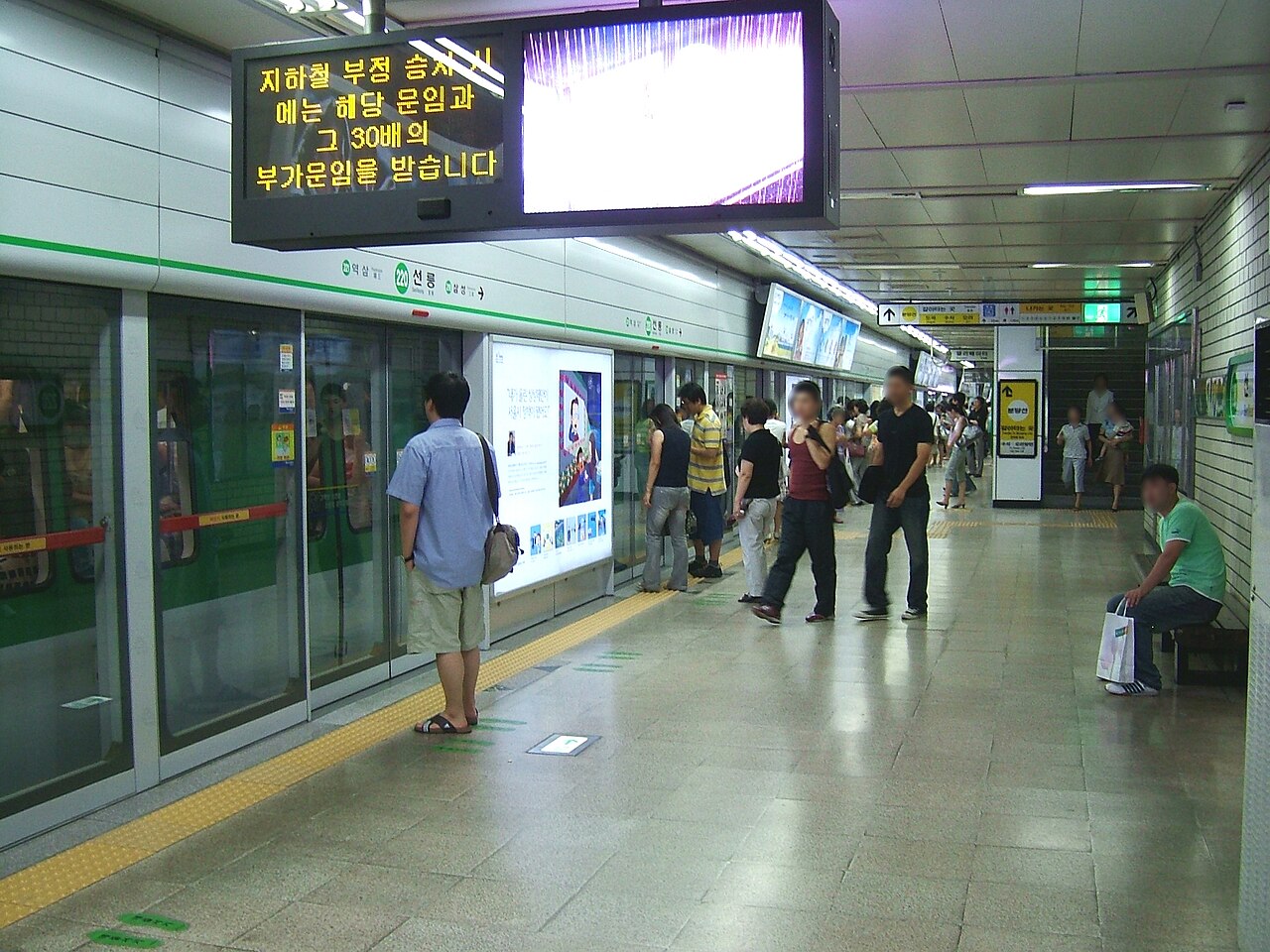
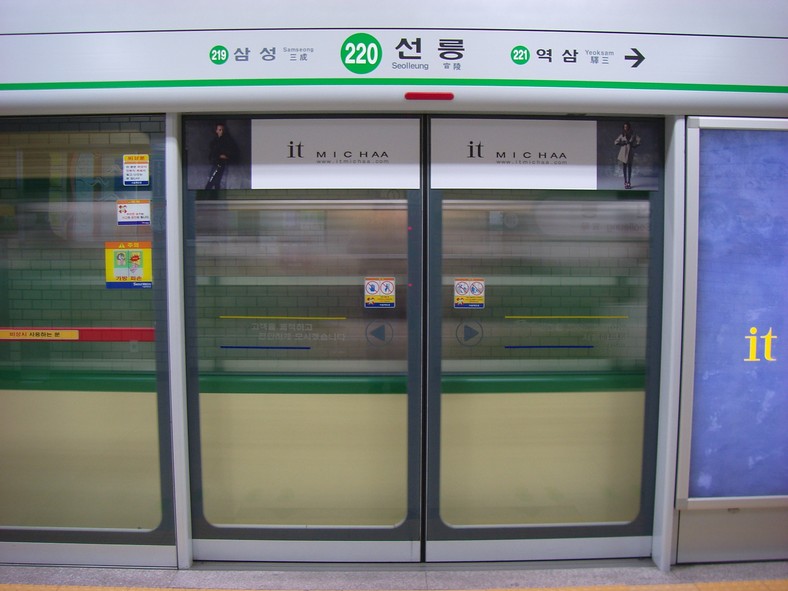
When transferring, follow the colored transfer signs and the final destination direction shown on the platform. Do not assume both sides of the platform go the same way. After arriving, slow down before exiting the gate and check the exit number in your map app.
Big stations such as Seoul Station, Gangnam, Hongdae, Jamsil, and Express Bus Terminal can feel like underground malls. If you leave from the wrong exit, the route above ground may become longer than the subway-to-bus-in-seoul">subway ride itself.
A simple first ride test
Before relying on the subway-to-bus-in-seoul">subway for an appointment, try one low-pressure ride between two well-known areas. Open the route app, confirm the line color, tap in, follow the transfer signs if needed, and compare the recommended exit with the signs at the station. This one practice ride teaches the whole workflow better than reading a full metro map.
After that, the system becomes much less intimidating.
FAQ
Is Seoul subway hard for foreigners?
No, but it is easy to underestimate large stations. English signage is common, and route apps make the system manageable. The part that confuses visitors most is not the train itself, but choosing the correct direction, transfer path, and station exit.
Should I use Google Maps for Seoul subway?
Google Maps can help with general orientation, but local apps such as Naver Map or KakaoMap are usually better for Korean transit routes, exits, and walking directions. Install one before the trip so you are not learning it inside a crowded station.
What should I do if I miss a stop?
Stay calm, get off at the next station, and check the route app again. In most cases you can cross to the opposite direction or transfer without leaving the paid area. Avoid rushing through exits until you know whether you need to stay inside the station.
Related Guides
Questions about this guide?
If something is unclear or you want a Korea-specific answer, leave a question. Public answers can be added after review.