Start Here
When you walk into a Korean BBQ as a foreign visitor, first check whether the restaurant uses a server‑run grill or a self‑service table grill. If you’re tired, a server‑run spot saves you the hassle of managing the fire. Next, use the table‑bell to request extra meat or charcoal; it’s the standard way locals signal staff.
Order meat and side dishes by pointing at menu photos or using the QR code, and remember that tipping is not customary in Korea—just settle the bill. If the QR system fails, copy the dish names onto a piece of paper and hand it to a nearby server. Follow these steps and you’ll enjoy the experience without confusion.
Do This in Order
- Identify whether the restaurant offers a server‑run or self‑service grill before sitting
- Locate the table‑bell and test it with a light press to confirm it works
- Use menu photos or QR ordering to select meat; write down choices if technology fails
- Monitor grill heat and use tongs to turn meat, adding sesame oil if sticking occurs
- Pay the exact amount shown; do not leave a tip, as it is not customary in Korea
Choosing a Grill Style That Matches Your Energy Level
After arriving at a Korean BBQ district, glance at the entrance signs and the layout of the dining area. Restaurants with a visible grill and a staff member standing by usually indicate a server‑run setup, which means the staff will handle lighting the grill and refilling charcoal. Self‑service places often display a QR code on each table and have a small portable grill you must ignite yourself.
If you’re exhausted, prioritize a server‑run venue to avoid the physical effort of lighting and maintaining the fire. However, self‑service spots can be cheaper and offer more flexibility in meat selection. Decide based on your stamina, budget, and how much control you want over cooking speed.
Before You Try It
- First‑time friction: After a long flight you may be exhausted and unsure whether the restaurant’s grill is gas or charcoal, which affects smoke and cooking speed.
- Local cue: Most Korean BBQ places use a small table‑bell; pressing it signals staff to bring extra meat, sauces, or replace charcoal without you having to shout.
- Fallback move: If the QR‑ordering system crashes, ask a nearby patron to point at the menu photos and copy the order onto a paper slip for the server.
Getting Seated and Decoding the Table Layout
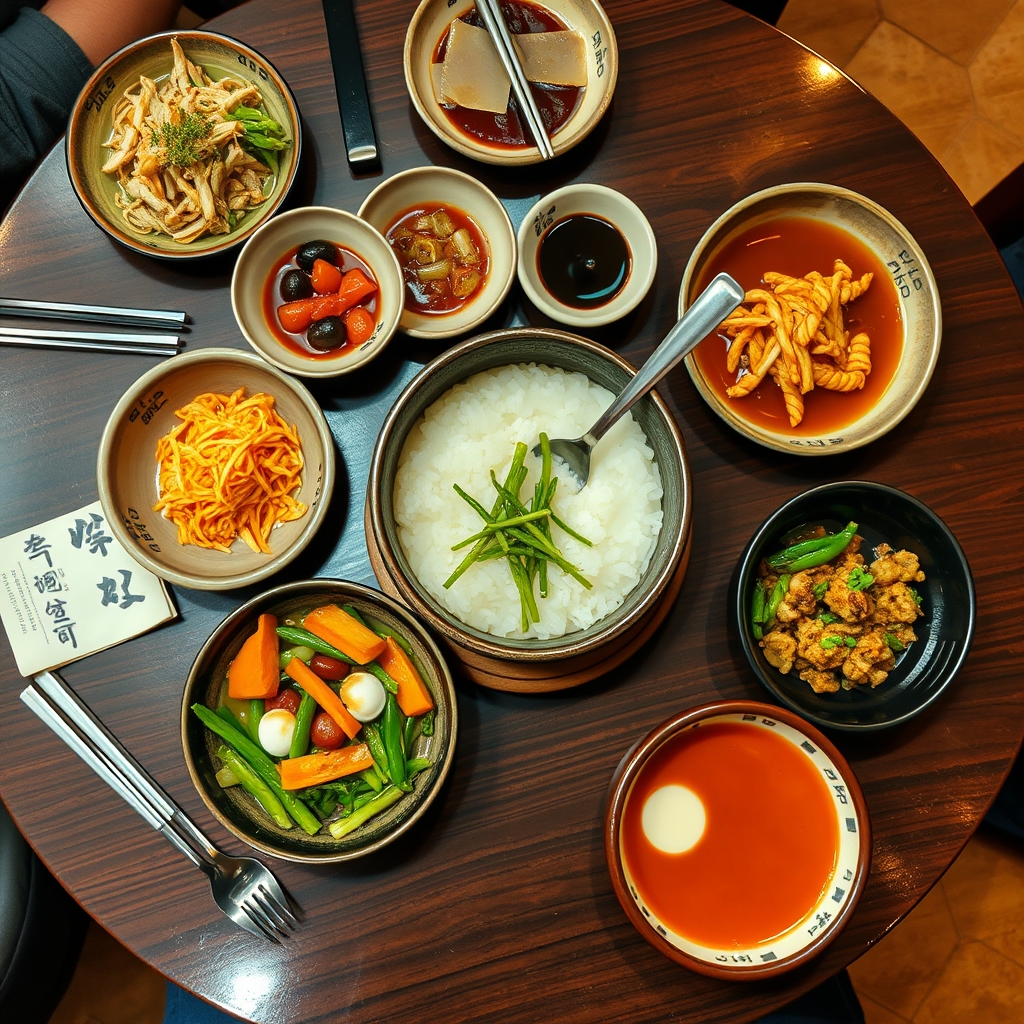
When you’re led to your seat, notice the small metal bell on the table, a set of disposable aprons, and the arrangement of side dishes (banchan) already on the tray. The bell is the universal signal for staff; a quick press will bring extra charcoal, sauces, or a fresh plate of meat. If the bell is missing, look for a nearby staff member or a call button.
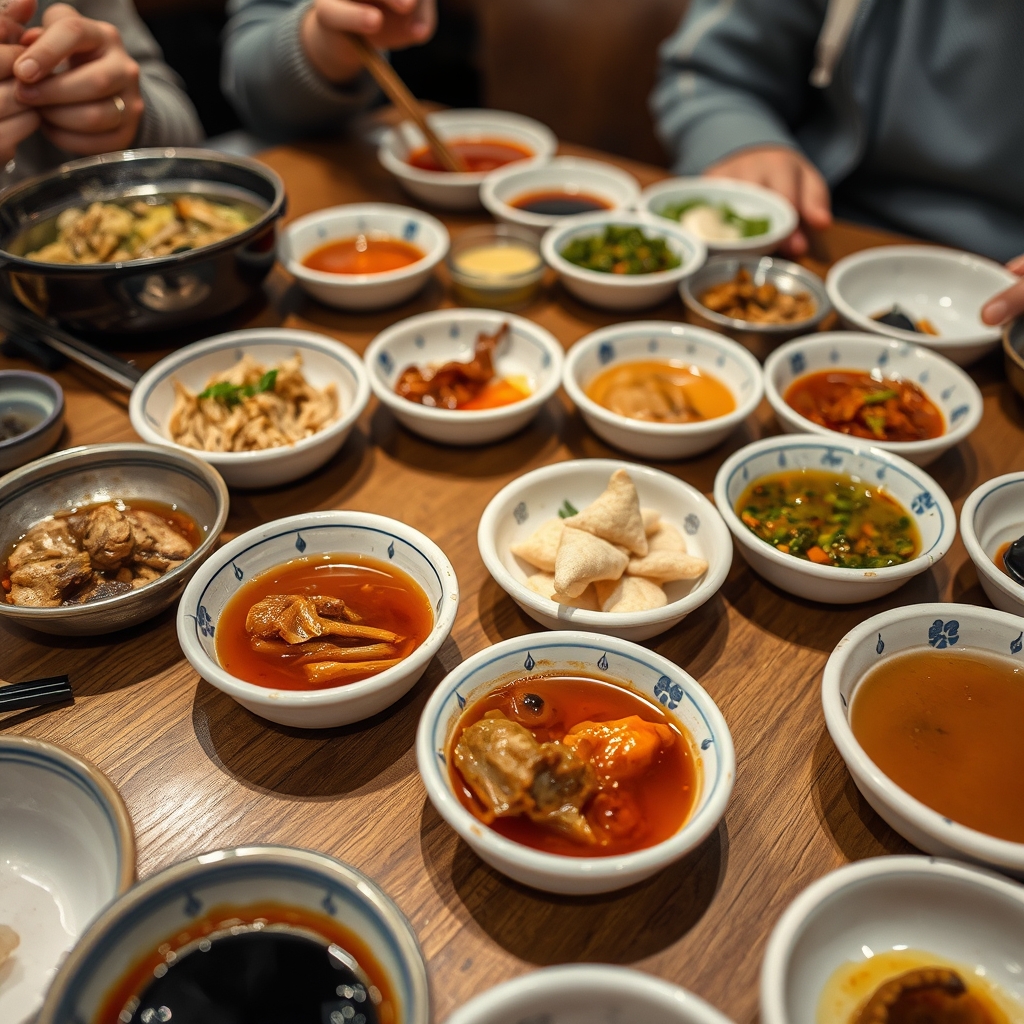
The banchan are communal and often refillable—watch how locals keep refilling their plates before asking for more. This observation helps you avoid over‑ordering and respects the restaurant’s rhythm. If you’re unsure where to find the bell, politely ask, "Can you show me how to call for more charcoal?"
Comparison Table
| Restaurant type | Pros | Cons | Best for |
|---|---|---|---|
| Server‑run grill with staff‑handled fire | No need to manage charcoal, quicker service, easier for beginners | Usually higher price, less control over cooking speed | Tired travelers or first‑timers who want a relaxed experience |
| Self‑service grill with QR ordering | Lower cost, more meat variety, you control grill intensity | Requires you to light and maintain fire, QR glitches possible | Budget‑conscious diners who enjoy hands‑on cooking |
| Street‑side BBQ stall (no seats) | Fast, authentic street flavor, often cheaper | No table bell, limited side dishes, cash‑only | Quick lunch break or adventurous eaters comfortable with cash |
Photos Before You Go
Local Tips Worth Knowing
These are practical patterns that often come up in Korean local guides and traveler discussions, rewritten for visitors instead of copied from any one source.
- Many restaurants use table bells, QR ordering, or self-service water and utensils, so look around before assuming staff will come automatically.
- Pointing at menu photos is normal in casual restaurants and markets; short phrases like 'less spicy' and 'to go' solve many ordering problems.
- Small market stalls may be inconsistent with foreign cards, so carry some Korean won when trying street food.
- Side dishes are often refillable, but the custom depends on the restaurant; watch what local customers do before asking.
Ordering Meat and Side Dishes Without Language Barriers
Most Korean BBQ menus feature photos next to each dish, making it easy to point and order. If the restaurant uses a QR code, scan it with your phone; the interface usually offers English translations and the ability to select "less spicy" or "extra sauce." Should the QR system lag or your phone battery be low, write down the dish numbers or copy the photo names onto a scrap of paper and hand it to the server. Common starter choices include samgyeopsal (pork belly) and galbi (beef short ribs).
Remember that side dishes are shared and often unlimited, so you can sample kimchi, pickled radish, and seasoned greens without extra cost. Ordering in this visual way reduces miscommunication and speeds up service.
Managing the Grill and Avoiding Common Cooking Mistakes
Once the meat arrives, the grill will be hot enough to sizzle immediately. If you’re using a charcoal grill, wait a minute for the flames to subside before placing meat; this prevents flare‑ups that can char the food. For gas grills, a quick press of the bell will bring a server to adjust the flame if it’s too high.
Turn the meat using tongs—avoid using forks, which can pierce the meat and cause juices to spill. If you notice the meat sticking, add a splash of sesame oil from the side dish tray; locals often do this to enhance flavor. Should the grill smoke excessively, press the bell and ask the staff to replace the charcoal or adjust the gas flow.
Watching how Korean diners flip their meat can teach you the right timing for each cut.
Reader Questions
What should I do if I can’t read the Korean menu at a BBQ place?
Point at the dish photos or use the QR code that often includes English labels. If the QR fails, write the dish numbers on a piece of paper and hand it to the server. This visual method bypasses language barriers and ensures you order what you want.
Can I use my foreign credit card at Korean BBQ restaurants?
Many larger restaurants accept international cards, but smaller venues or street stalls may only take cash. Carry a modest amount of Korean won as a backup, especially if you plan to visit market stalls or local eateries.
How do I avoid overcooking the meat on the grill?
Start with a medium‑high heat, let the grill settle, then place thin cuts like pork belly for 1‑a brief period per side. Watch the sizzle and color change; when the edges turn golden, the meat is ready. If you’re unsure, ask a nearby diner for a quick tip—they’re usually happy to help.
Related Guides
Questions about this guide?
If something is unclear or you want a Korea-specific answer, leave a question. Public answers can be added after review.