Quick Answer
To ride a Korean public bus, use a rechargeable transit card such as T-money or Cashbee and plan the route in Naver Map or KakaoMap. Check the bus number and direction at the stop, board through the front door, tap when boarding, and tap again when getting off if the bus uses exit tapping. Cash acceptance and transfer rules can vary by city and route, so treat a transit card plus a small cash backup as the safest setup.
Before a time-sensitive trip, confirm the route and latest operating details in a local map app or official transport source.
Getting Started: Cards, Apps, and Basic Terms
Before you step onto a bus, equip yourself with a rechargeable transit card such as T‑money or Cashbee. These cards are accepted on virtually all city and intercity buses, and they simplify fare payment by automatically calculating the correct charge. Purchase a card at any subway station, major convenience store, or airport kiosk, then add Korean won using a cash machine or the store's point‑of‑sale terminal.
While some buses still accept cash, the exact change requirement and the increasing prevalence of card‑only buses make the card the safest choice. For route planning, download Naver Map or KakaoMap; both apps provide Korean‑language and English interfaces, display live bus locations, and suggest the fastest routes based on current traffic. Familiarize yourself with common Korean transit terms: "bus stop" (버스정류장), "route number" (노선 번호), and "destination" (종점).
Knowing these basics will reduce confusion when you read the digital signboards at each stop.
Local Tips Worth Knowing
These are practical patterns that often come up in Korean local guides and traveler discussions, rewritten for visitors instead of copied from any one source.
- Use Naver Map or KakaoMap for station exits and bus arrival details; Google Maps is better as a backup reference than as the main Korea transit app.
- Check the exit number before leaving a large subway station. The wrong exit can add a long walk even when you arrived at the correct station.
- On buses, tap your transit card when getting off as well as when boarding. Missing the exit tap can affect transfer handling.
- Keep some Korean won available for transit card top-ups because foreign-card support can vary by machine, station, and store.
Finding and Boarding the Right Bus
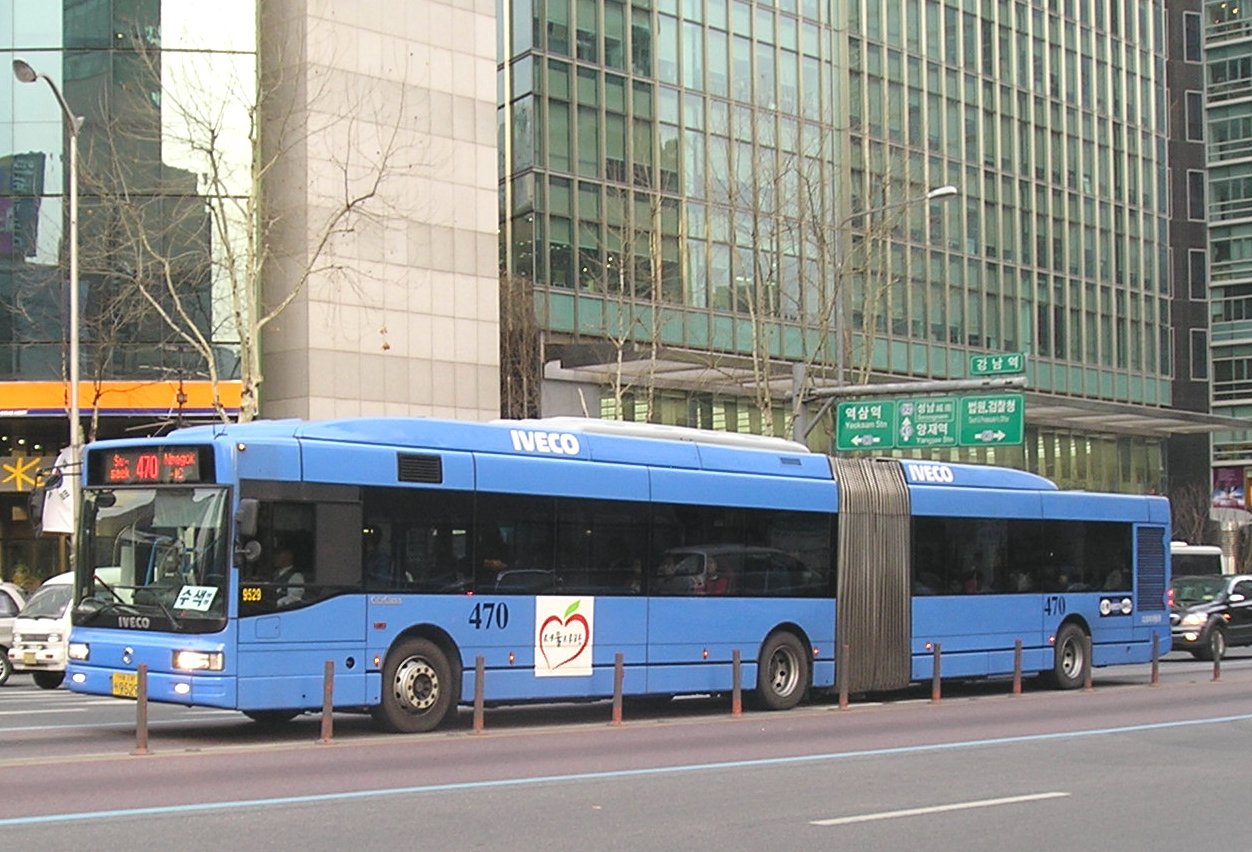
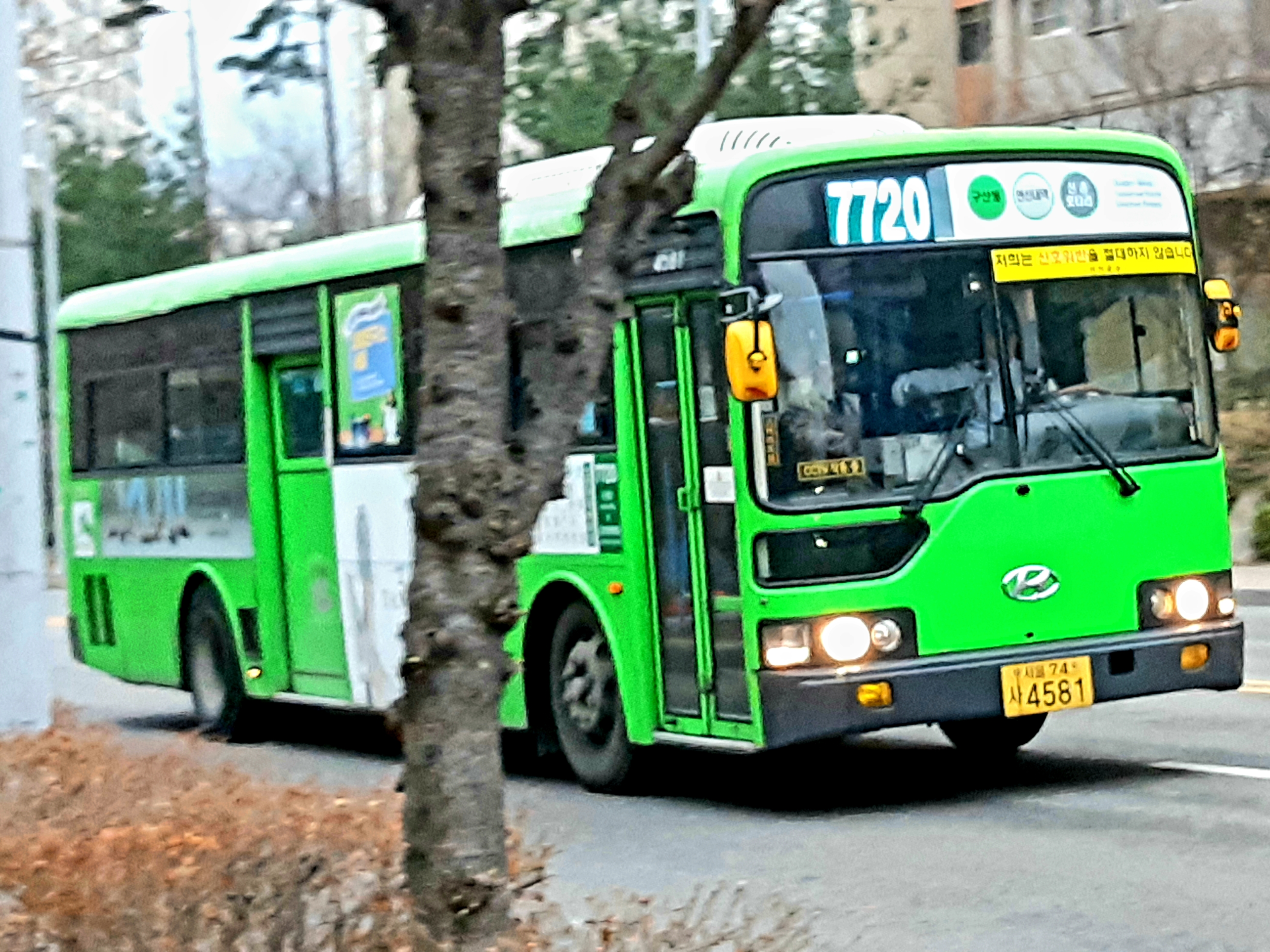
When you reach a bus stop, look for the electronic display that lists upcoming buses, their route numbers, final destinations, and estimated arrival times. Match the route number shown on the display with the one printed on the bus front; Korean buses display the number in large digits, often accompanied by a color code. If you are unsure, use Naver Map's "Nearby" feature to confirm the next bus for your chosen route.
Once the bus arrives, wait for passengers to alight before stepping inside. Board through the front door and immediately tap your transit card on the reader; a green light confirms a successful transaction. Keep your card handy for the exit tap as you leave the bus, especially if you plan to transfer to another line.
If you need a wheelchair or have a stroller, look for the low‑floor buses marked with a wheelchair symbol; these allow level boarding without extra steps.
Visual Guide


Paying, Transfers, and Common Pitfalls
After boarding, keep the card reachable because some routes expect an exit tap when you get off. Transfer discounts usually depend on using the same transit card correctly, but exact rules vary by city, route, and current policy. A common mistake is assuming every bus handles foreign cards or cash the same way.
For a visitor, the lowest-friction setup is a Korean transit card, a modest cash reserve for top-ups, and a map app open before you reach the stop. Also check the exit number of a nearby subway station before walking to a bus stop; large stations can have multiple exits and the wrong one can add a long detour.
Comparison Table
| Situation | Best Approach | Why It Works |
|---|---|---|
| First time in Korea | Buy a transit card and use Naver Map or KakaoMap for route planning | Provides reliable payment and route context |
| Only one short bus ride | Still prefer a transit card if you already have one | Avoids route-by-route uncertainty about cash or foreign card acceptance |
| Transfer-heavy route | Use the same transit card and follow tap-out rules shown locally | Helps the system recognize eligible transfers |
| Traveling with a stroller or wheelchair | Look for low-floor buses and accessible stop information | Reduces boarding friction before the bus arrives |
Checklist
- Purchase a T-money or Cashbee card and load it with Korean won.
- Install Naver Map or KakaoMap and search by the exact destination name.
- Confirm the route number and final direction before boarding.
- Tap the card when boarding and follow any exit-tap instruction when getting off.
- Keep a small cash backup for occasional top-ups or local exceptions.
FAQ
Do I need a Korean transit card for every bus ride?
A transit card is the most convenient option because it works across many buses and subway systems and reduces payment uncertainty. Some routes may still handle cash, but visitors should not rely on cash acceptance as the main plan.
Can I use my foreign credit card on Korean buses?
Only a few newer buses accept international credit cards, and they usually require contactless payment. Because acceptance is not universal, relying on a Korean transit card is safer, especially in smaller towns or on night routes.
How do I know if a bus will stop at my desired location?
Check the route number and destination on the electronic stop display and compare it with the route information in Naver Map or KakaoMap. Both apps show each stop’s name and the order of stops, helping you confirm that the bus serves your intended point.
Related Guides
Questions about this guide?
If something is unclear or you want a Korea-specific answer, leave a question. Public answers can be added after review.