Quick Answer
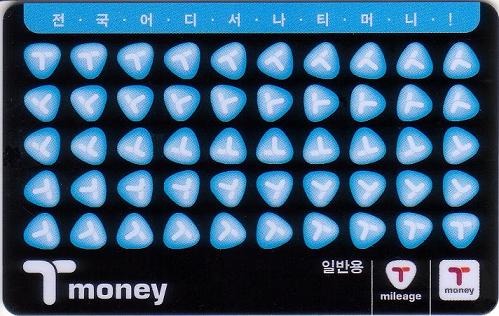
The T‑money card is a rechargeable smart‑card that works on most subways, buses, taxis, and many small retailers across South Korea. You can buy a card at subway stations, convenience stores, or airport kiosks, then load credit using vending machines, station counters, or participating shops. Once loaded, simply tap the card on a reader to pay; the fare is deducted automatically.
Balance checks are available at the same machines or via mobile apps linked to the card. If you lose the card, a replacement can be requested and the remaining balance transferred, provided you have the receipt. When you finish your trip, you may claim a refund of the remaining balance and the card’s deposit at designated locations—always verify the latest refund policy on the official T‑money website before you travel.
Overview
Travelers to South Korea often wonder how to pay for subways, buses, taxis, and even convenience‑store purchases without carrying cash. The T‑money card is a rechargeable smart‑card that works across most public‑transport networks and many small merchants. It functions like a prepaid debit card: you load credit onto the card, tap it on a reader, and the fare is deducted automatically.
The card is especially handy for first‑time visitors because it eliminates the need to buy single‑ticket tokens for each ride and speeds up boarding. You can obtain a T‑money card at most subway stations, convenience stores, and airport kiosks. The card can be used on Seoul’s subway lines, Busan’s metro, Daegu, Gwangju, and many regional buses, as well as on some taxis that accept contactless payment.
For travelers who plan to move around frequently, the card also offers modest discounts compared with cash fares. You can reload the card at vending machines, station counters, or participating shops; most machines have English instructions. Balance can be checked on the same machines or via mobile apps that link to the card.
If you lose the card, you can request a replacement and transfer the remaining balance, provided you have the original receipt. When you finish your trip, you may request a refund of the remaining balance and the card’s deposit at designated locations, though a small handling fee may apply—verify the current policy on the official T‑money website. Because the card is contactless, you simply tap it on the reader at the gate or on the bus; there is no need to insert it or swipe.
Remember to tap both when entering and exiting subway stations to ensure the correct fare is charged. For travelers with limited time, the T‑money card offers a convenient, cash‑less way to navigate Korea’s extensive transport network.
What To Check First
Before you rely on a T‑money card, take a moment to confirm a few key details that can affect how smoothly it works for you. First, verify that the regions you plan to visit accept T‑money; while most major cities do, some rural bus lines may use a different system. Second, consider the length of your stay and how often you’ll be using public transport; heavy users benefit more from the card’s convenience and any fare discounts.
Third, check the latest loading limits and any fees associated with recharging, as these can change seasonally or with policy updates. Fourth, make sure you have a valid form of identification and a receipt when you purchase the card, as these are needed for refunds or replacements. Fifth, look up the operating hours of reload stations and balance‑checking machines, especially if you’ll be traveling early in the morning or late at night.
Finally, always consult the official T‑money website or local transit authority for the most current information on accepted payment methods, card deposit amounts, and any temporary service changes that could affect your journey.
Visual Guide


Common Mistakes
Many first‑time visitors stumble over a few avoidable errors when using a T‑money card. A frequent mistake is assuming the card works everywhere in Korea; some remote bus routes or private shuttle services still require cash or a different smart‑card. Another pitfall is forgetting to tap the card both when entering and exiting subway stations, which can result in being charged the maximum fare for that line.
Travelers also sometimes overlook the need to reload the card before the balance runs low, leading to denied entry on a bus or at a gate. Using a card purchased in a different country without checking the deposit refund policy can also cause surprise fees later. Additionally, relying on outdated information from old travel blogs may lead you to believe that certain discounts still apply—these promotions are often revised, so always verify them on an official source.
Finally, some users try to use the card for purchases at merchants that only accept cash; checking the payment symbols at a store before attempting a tap can save time and frustration.
Recommended Next Step
Now that you understand the basics, the most practical next step is to obtain a T‑money card and load a modest amount of credit before your first journey. Visit a subway station or convenience store near your accommodation, purchase the card, and keep the receipt for any future refund or replacement. After loading credit, test the card on a short subway ride or bus to confirm it works as expected.
While you’re on the move, periodically check your balance using the on‑site machines or a compatible mobile app, and reload as needed. Finally, bookmark the official T‑money website or the local transit authority’s page so you can quickly verify any policy changes, loading limits, or refund procedures before you travel further. By taking these concrete actions, you’ll turn the information in this guide into a smooth, cash‑free travel experience across Korea.
Comparison Table
| Step | What To Do | Why It Matters | Output |
|---|---|---|---|
| 1 | Clarify your goal for using the T‑money card | Keeps the advice relevant to your travel plans | One clear use case |
| 2 | Compare the main options for purchase and reload | Shows trade‑offs such as convenience versus cost | Shortlist of preferred methods |
| 3 | Check current official sources for any updates | Avoids outdated information that could cause problems | Verified decision based on latest data |
Checklist
- Identify the specific travel situation where you need a T‑money card.
- Confirm whether the regions you will visit accept T‑money and note any exceptions.
- Locate nearby stations, convenience stores, or kiosks where you can purchase and reload the card.
- Save the official T‑money website link for checking balance, reload limits, and refund policies.
- Plan to keep the purchase receipt for possible refunds or card replacement.
FAQ
What is the fastest way to understand how to use a T‑money card in Korea?
Start with the quick answer above to grasp the core concept, then refer to the step‑by‑step table. Identify your travel needs, compare where you can buy and reload the card, and verify any recent changes on the official T‑money website. This approach gives you a clear path without having to read through lengthy guides.
Can I rely on old information about using a T‑money card?
Old guides are useful for background, such as how the card works and where it can be used. However, details like loading limits, refund fees, and participating merchants can change. Always double‑check these time‑sensitive points against the current official sources before making a purchase or travel decision.
What should I do after reading this guide?
Use the checklist to confirm you have covered all essential steps, verify any time‑sensitive details on the official website, and then obtain and load a T‑money card before your first ride. Comparing at least two purchase or reload options will help you choose the most convenient method for your itinerary.