Quick Answer
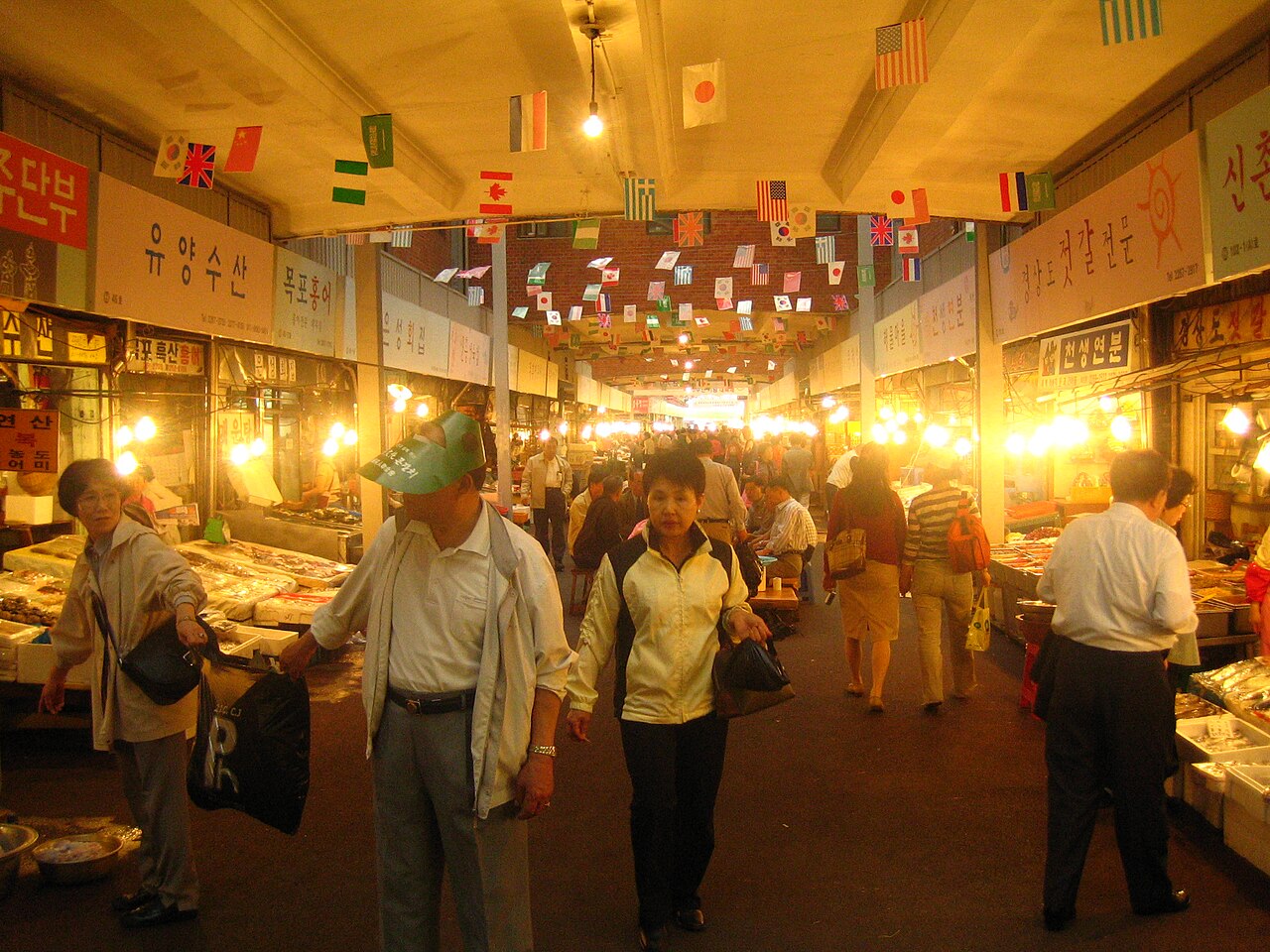
For a first visit to Korea, pick a market that matches your interests, schedule, and budget. If you love food, Gwangjang and Myeongdong’s street‑food lanes are must‑visits; for shopping and souvenirs, Namdaemun and Tongin offer a wider variety of goods. Check opening hours and whether the market accepts cards—most stalls prefer cash.
Use public transport to reach the market, arrive early to avoid the biggest crowds, and bring a small amount of Korean won for snacks and souvenirs. Compare the highlights in the table below, then follow the short checklist to confirm your plan before you go.
What Makes a Korean Street Market Ideal for First‑Time Visitors
A Korean street market that feels welcoming to newcomers typically offers clear signage, a mix of food and non‑food stalls, and easy access via subway or bus. First‑timers often look for a place where they can sample local flavors without feeling overwhelmed. Markets that provide photo‑rich menus or QR codes with English translations help bridge the language gap.
Accessibility is another factor: ramps, wide aisles, and nearby restrooms make the experience comfortable for all travelers. Finally, a market’s vibe—whether it’s bustling like Gwangjang or more relaxed like Tongin—should align with your personal travel style. By understanding these qualities, you can choose a market that feels both exciting and manageable, turning a simple stroll into a memorable cultural immersion.
Local Tips Worth Knowing
These are practical patterns that often come up in Korean local guides and traveler discussions, rewritten for visitors instead of copied from any one source.
- Many restaurants use table bells, QR ordering, or self-service water and utensils, so look around before assuming staff will come automatically.
- Pointing at menu photos is normal in casual restaurants and markets; short phrases like 'less spicy' and 'to go' solve many ordering problems.
- Small market stalls may be inconsistent with foreign cards, so carry some Korean won when trying street food.
- Side dishes are often refillable, but the custom depends on the restaurant; watch what local customers do before asking.
Key Factors to Check Before You Head Out
Before you set foot in a market, verify a few practical details. First, confirm the market’s opening days and hours on the official Visit Korea website, as some stalls close on Mondays or during holidays. Next, consider the season: summer markets can be hot and crowded, while winter may see fewer visitors but also fewer food options.
Transportation matters—look up the nearest subway station and any bus routes; most major markets are within a 10‑minute walk from a station. Money is crucial: many stalls accept only Korean won, so have a small amount of cash ready. If you rely on a credit card, test it at a larger shop first.
Finally, think about your dietary preferences; most food stalls label spiciness levels, but if you have restrictions, observe what locals order or ask politely using simple phrases like "less spicy" or "no meat."
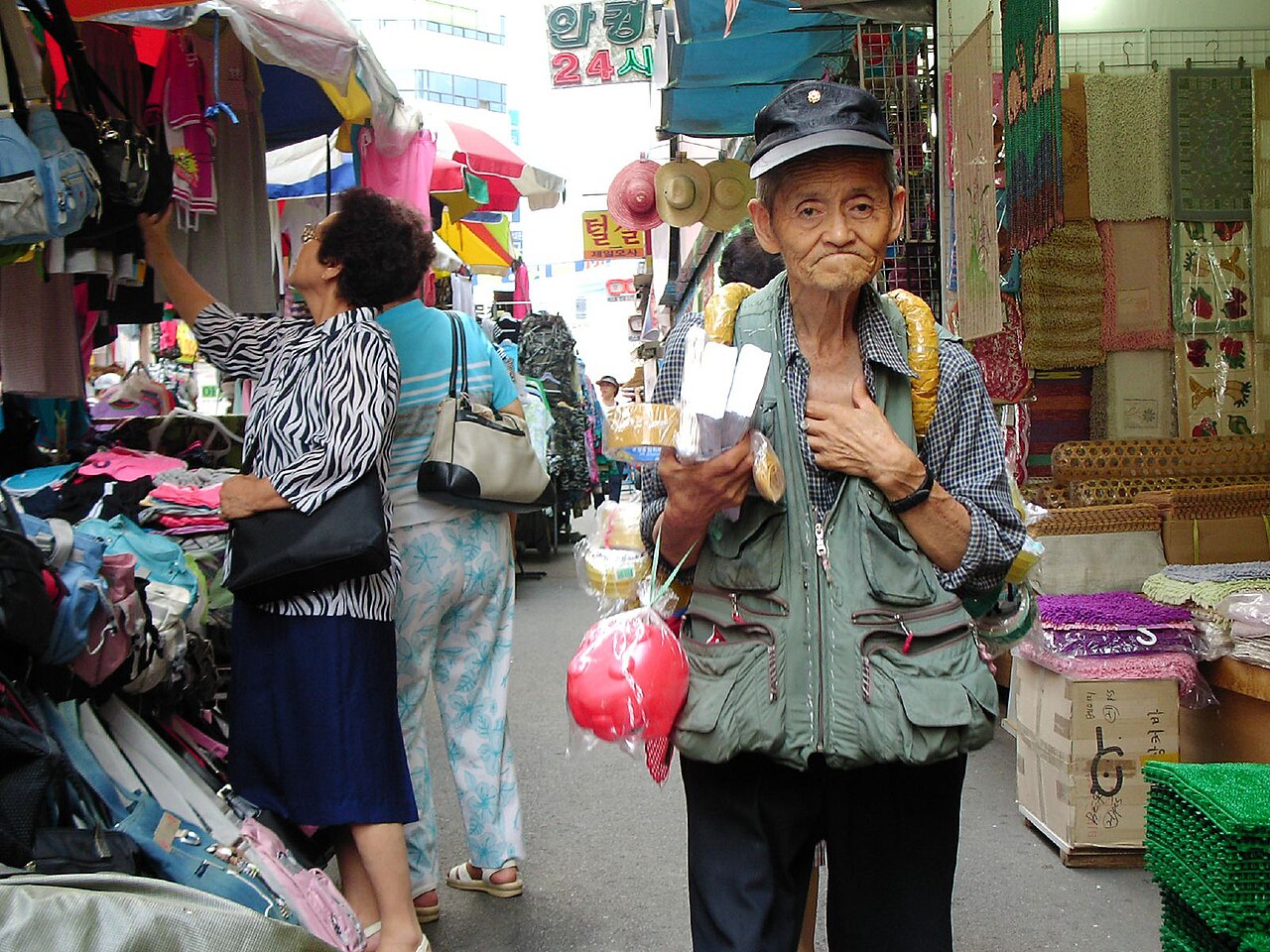
Visual Guide


Common Slip‑Ups and How to Dodge Them
Travelers often stumble over a few predictable mistakes at Korean street markets. One frequent error is assuming every vendor takes foreign cards—most small stalls operate on cash only, so you might miss out on a tasty bite if you’re unprepared. Another pitfall is ignoring peak hours; arriving during the busiest evening window can mean long lines and limited seating.
Language barriers can also cause confusion; pointing at menu photos or using short English phrases usually works, but shouting or expecting staff to speak fluent English can lead to frustration. Some visitors forget to bring a reusable bag, ending up with extra plastic waste or being unable to carry purchases. Finally, over‑indulging without pacing yourself can lead to a stomach upset—sample small portions first, especially with spicy foods.
By anticipating these issues, you’ll enjoy a smoother, more authentic market experience.
How to Choose the Right Market for Your Trip
Start by listing what you want most from a market—food, shopping, cultural immersion, or a quick photo stop. Then match those priorities against the comparison table below, noting each market’s standout feature and any cautionary points. If you’re a foodie with limited time, Gwangjang’s bindaetteok and mayak kimbap are top picks; for souvenir hunting, Namdaemun’s endless alleys of accessories and textiles shine.
Consider logistics: markets near your accommodation or day‑trip itinerary reduce travel hassle. Once you’ve narrowed it to two or three options, check the latest opening hours and any seasonal events on the official tourism site. Finally, write down a simple plan—how you’ll get there, what cash you’ll carry, and one dish or item you’re eager to try—so you arrive with purpose and confidence.
Comparison Table
| Market | Ideal For | Key Attraction | What to Watch Out For |
|---|---|---|---|
| Gwangjang Market | Food lovers | Bindaetteok, mayak kimbap, vintage textiles | Crowded on weekends; bring cash |
| Namdaemun Market | Shopaholics | Wide range of souvenirs, fabrics, street snacks | Can be maze‑like; allow extra time for navigation |
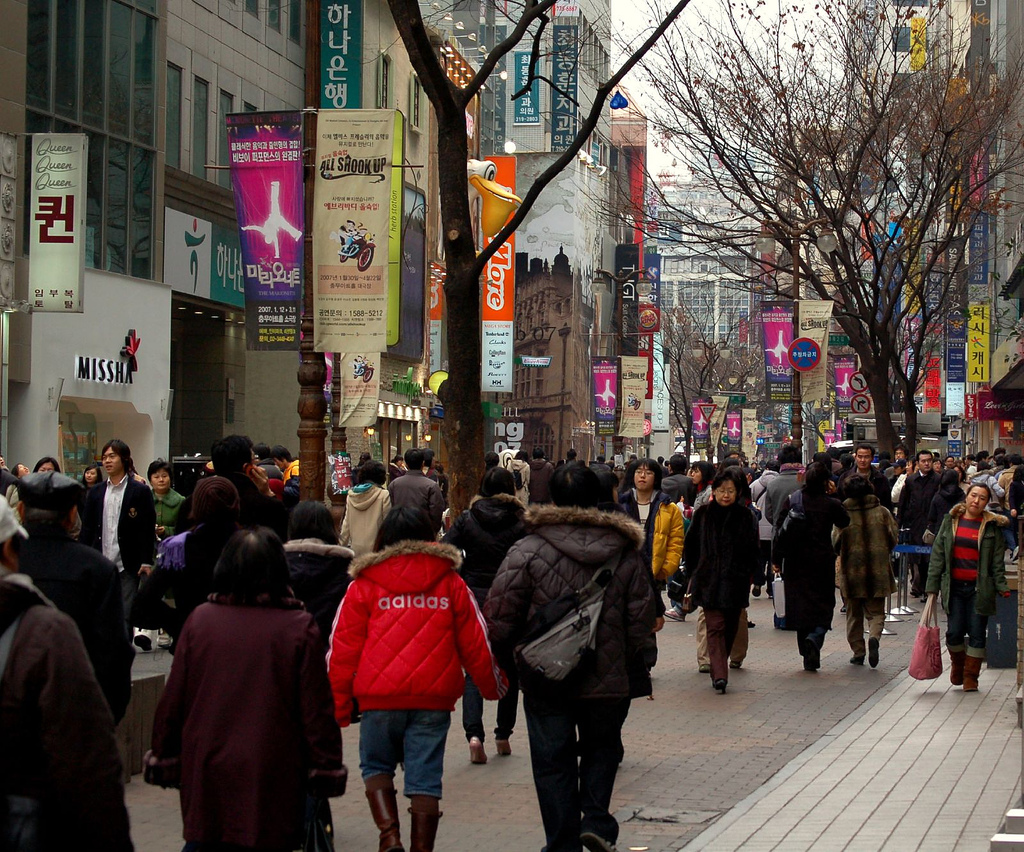
| Myeongdong Street Food Alley | Young travelers | Trendy snacks, Korean fried chicken, desserts | Higher prices near tourist hotspots |
| Tongin Market | Cultural explorers | Dosirak café where you use traditional tokens | Limited English signage; best visited early |
Checklist
- Identify which market matches your main interest (food, shopping, culture).
- Verify the market’s current opening hours on the Visit Korea website.
- Prepare enough Korean won for stalls that don’t accept cards.
- Plan your route using the nearest subway station and check for any service alerts.
- Pick one signature dish or item to try so you have a clear goal for the visit.
FAQ
Which Korean street market should I visit if I only have half a day?
For a short visit, head to Myeongdong Street Food Alley. It’s centrally located, reachable within a few subway stops, and offers a compact selection of popular snacks that you can sample quickly without getting lost.
Do I need to bring a credit card to buy food at Korean markets?
Most small stalls prefer cash, especially for street‑food items. While larger shops may accept cards, it’s safest to carry enough Korean won for snacks, drinks, and souvenirs to avoid missing out.
Is it okay to tip vendors at Korean street markets?
Tipping is not customary in Korea, and vendors do not expect extra cash. A simple thank-you is enough after you pay for your food or purchase.
Related Guides
Questions about this guide?
If something is unclear or you want a Korea-specific answer, leave a question. Public answers can be added after review.